It is a simple thing – the pouring of water. You probably do it most everyday of life: pouring a glass of water. The Church’s rituals and Sacraments also incorporate the simple act of pouring water – most notably in the Sacrament of Baptism, but also in Eucharist and during funerals and interments.
During the celebration of the Mass, while the priest prepares the gifts of bread and wine, there is a part in which the priest quietly prays, “Through the mystery of this water and wine, may we come to share in the divinity of Christ who humbled himself to share in our humanity.” The water is poured into the wine already in the chalice. It’s a simple thing. A powerful thing that echoes 2 Peter 1:4 (“he has bestowed on us the precious and very great promises, so that through them you may come to share in the divine nature”). It speaks of the hope and promise of all believers, at life’s end to share in the divinity of Christ, to be whole, complete, and rest in God. As I said, a powerful thing.
In the funeral rites, we speak the words of St. Paul from the second reading as we sprinkle the casket with holy water recalling when this life started in the waters of Baptism: “Are you unaware that we who were baptized into Christ Jesus were baptized into his death? We were indeed buried with him through baptism into death, so that, just as Christ was raised from the dead by the glory of the Father, we too might live in newness of life.” (Romans 6:3-4) It is a moment when we pause at the end of an earthly life to recall that in the waters of Baptism we were joined to Christ in a newness of life, called to the imitation of Christ, and when our days are complete, to join Him passing through death and then raised to everlasting life, sharing in the divinity of Christ.
Those are amazing moments in the practice of our faith – but they are moments that stand upon the foundation of the Sacrament of Baptism. Where it all begins, when there is the first pouring of the waters of life. Think about the baptisms that are part of your history and family stories. They are celebrations – and they should be – the family gathers, lots of pictures, godparents, the sacrament, more pictures, social media posts, more pictures, and then often gathering at the house for a celebratory meal. It is a great moment in the life of the child, the family, and the church. I have been privileged to celebrate with so many families.
But there is a part of me that also thinks we have tamed, we have domesticated what should be a wild and fierce initiation into the People of God. A moment when there is the sealing of a covenant with God as the newest member of the People of God joins the ranks. The covenant that is permanent and promises eternal life and asks for a pledge of loyalty and service.
Even the word “sacrament” speaks of this wildness. We get the word from the Latin sacramentum which means an oath. It was used to describe a Roman legionnaire pledging lifelong fealty and service to the emperor while bonded to the Legion. The moment was marked with a seal placed on the arm. I don’t mean something attached, or a tattoo – the legionnaire was fire-branded with the mark of the Legion. They carried the visible sign that said, this is who I am, and to whom I belong. These are the people with whom I will serve in this life long commitment.
There is a part of the Baptismal ritual in which the sacramentum, the seal marks the child. In the older words of the liturgy, the celebrant says, “I claim thee for Christ by the Sign of the Cross.” In Kiswahili, “”Nikudai kwa Kristu.” The word kudai is a powerful word only properly spoken by the tribal chief that binds the one to obedience. When that word is spoken, the parents and godparents are asked to affirm that forever mark. Where the legionnaire’s mark is skin-deep, this seal is all encompassing and says you are Christian and you belong to Christ – you will live out this life in imitation of Christ with this cohort, your family, and the larger Legion – the Church universal – the People of God.
And in the simple pouring of water that seal is ratified as a covenant with God, original sin wiped away and human nature restored to its intended state of goodness. Justified and sanctified.
Baptisms are a wonderful event and right in the center of it all, there is a wildness of God’s love being unleashed into the world as another child receives the newness of life. We see this moment marked with the traditional white garment and the words: “You have become a new creation, and have clothed yourself in Christ. See in this white garment the outward sign of your Christian dignity. With your family and friends to help you by word and example, bring that dignity unstained into the everlasting life of heaven.”
We mark that moment with the baptismal candle. Lit from the Easter Candle, the newly lighted baptismal candle is passed onto a godparent with the words, “Receive the light of Christ. Parents and godparents, this light is entrusted to you to be kept burning brightly. This child of yours has been enlightened by Christ. He (she) is to walk always as a child of the light. May he (she) keep the flame of faith alive in his (her) heart. When the Lord comes, may he (she) go out to meet him with all the saints in the heavenly kingdom.”
The indelible mark of Christ, newness of life, the commitment of parents and godparents to keep that faith alive, and the newness of life unstained. It is a lifelong commitment by the people of God for this child of God to stand against the forces of the world with a fierce and unyielding love because this newness of life deeply shares in the divinity of Christ who shared in our humanity.
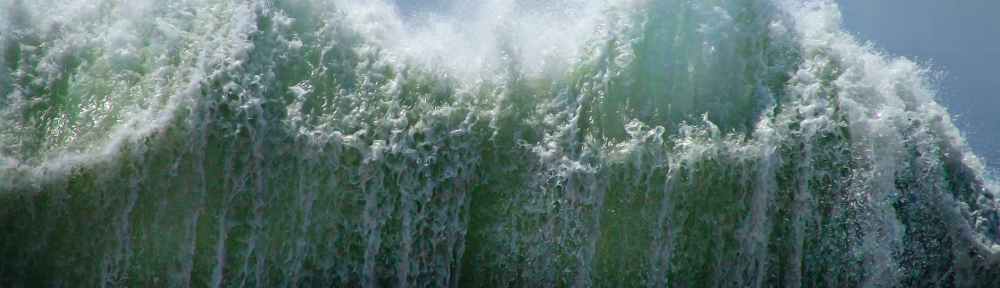
It looks like a simple pouring of water. It is really a torrent, floodwaters of love unleashed into the world. Be mindful of your baptism, that of your children and godchildren, and may those floodwaters of love carry you to everlasting life.
Image credit: Pexels ,CC0
Discover more from friarmusings
Subscribe to get the latest posts sent to your email.
 friarmusings