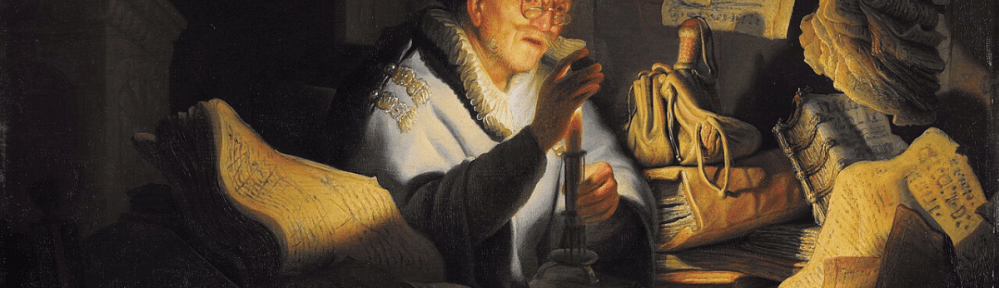
The Rich Fool of our parable gets a bad rap. Compared to other parables, there is no wrongdoing, no theft, inflating invoices, skimming off the top, no taking advantage of workers in the vineyard. Maybe he is just preparing for his retirement where he and his family can finally rest and relax, – and sure, eat, drink, and be merry. His goals seem similar to our own concerns with our savings and retirement plans.
Let’s be honest if you or I had a bumper crop like the Rich Fool we would be figuring out ways to store and preserve our good fortune. Maybe not the way in which the Rich Fool does. Hopefully we would thank God for his harvest, from his fields, via his rains. Hopefully we would not consume and possess things indiscriminately, relentlessly grabbing for all that we can, hoping to insulate ourselves from our insecurities and our fears. Those are the concerns of this life, but what about eternal life?
St. Luke also tells the story of the man who comes to Jesus and asks, “Good teacher, what must I do to inherit eternal life?” After learning from the man that he had followed all the commandments Jesus tells him, “There is still one thing left for you: sell all that you have and distribute it to the poor, and you will have a treasure in heaven. (Luke 18) It is a recurring message from Jesus that wealth, riches – in themselves not bad – they just have a way of getting in the way of true inheritance. The man goes away sad – he just can’t let go of his wealth, can’t empty the storehouse, can’t let go of the things that keeps him from following Jesus. He is likely a good person – both in his own mind and in the thoughts of others.
In his own mind. Interesting. I think we all have storehouses whose content is a barrier to our inheritance of eternal life. It is as St. Augustine once wrote: our memories are the well of sins – sin of others we will not forgive and our own sins that we will not forget. Forgive and forget; the very nature of God. It is the message the Prophet Jeremiah proclaimed, “from the least to the greatest… I will forgive their iniquity and no longer remember their sins.” (Jer 31:34) When God forgives our sins, God forgets our sins.
And yet we don’t forget and we store these memories away. Memories of transgressions against us. We store away remembrances of our own misdeeds, failings, and sins. We store each memory away with differing degrees of energy. In a way, it is a harvest of our lives packed away in the barns and storehouses of our memory. We don’t forget and too often we don’t really forgive.
As life goes on and the harvest of memories grows. Maybe we are like the rich man, needing to build new barns. Their names are “hurt,” “anger,” “tit-for-tat,” and “regret” to name a few.
These memories can become the bitter fruit of an unwelcomed and unwanted harvest. Think about it. We have stored these memories about others and ourselves. About events past which we thought we have forgiven, and not only do we remember them so clearly, they are stored with a good deal of energy we cannot seem to shake, cannot let go of, and they can stain and mar the true riches we have in this lifetime: friends, family, and even our own self-image and self-worth.
These memories simmer, brood, fester, take root, and send their cold tendrils into our hearts. This cold energy has a way of popping-up in the heat of another of life’s events, flooding into a conversation, drowning good will, and continuing to wreak unwanted havoc. Why in the world do we store them?
Every memory will have a different answer, but I suspect if we could clearly see them for what they are, they would be vanity of vanities: “For what profit comes to man from all the toil and anxiety of heart…even at night his mind is not at rest. This also is vanity.”
Just as Jesus told the rich man who wanted to know what he needed to do to inherit eternal life, “There is one thing left for you…” What will it take for you to open up the doors to the storehouses of hurt, regret, anger, tit-for-tat and all the rest?
I don’t have the one-size-fits-all answer for you – as I said – every memory is different, the energy stored with it is different. But my own experience is this:
To truly forgive, you need to experience forgiveness – from the One who forgives and forgets
Participate in the Sacrament of Reconciliation, pull from the well of memories your own sins and know the forgiveness of God – and realize that regret is the human side of memory and it is unconnected to God’s forgiveness. Experience and rejoice in the forgiveness of God. Know forgiveness.
From the well of memories, take the sins of others that you have not forgotten or forgiven, …take them into prayer. Ask the Holy Spirit for wisdom and insight to lead you to the root of it all – “why” I can’t set this all aside? What vanity of vanity might lay at the root of it all? And if healing is needed, pray for that healing for yourself.
Armed with this Spirit-led insight, begin to pray for the well-being of that other person – pray your way into forgiveness, giving away the gift you have freely received from God. And perhaps you will be led to initiate the reconciliation and healing needed between you.
You can know forgiveness in your life. And in experiencing forgiveness, you can learn to forgive
Will you forget? Maybe. Probably not. Memory is a human thing. But what I can tell you is that in the grace of God, while the memory remains, the energy dissipates and dissolves. And that healed memory now needs a new barn. Perhaps we can call it, “from here came the goodness of God.”
Now these are the riches of the kingdom of God. This is a harvest worth storing. This is what matters to God.
Image credit: The Parable of the Rich Fool | Rembrandt, 1627 | Gemäldegalerie, Berlin | PD-US | also known as The Money Changer
Discover more from friarmusings
Subscribe to get the latest posts sent to your email.
 friarmusings
I always enjoy this parable. So much wisdom.