
Some days in history are just filled with interesting events, but then there have many years and centuries – so something interesting is bound to happen on any given date. This day in history marked some significant events in naval history
In 1905 the Japanese fleet destroys the Russian East Sea fleet in the Battle of Tsushima, the only decisive clash between modern steel battleships in history. It was the first major victory of an Asian power over a European one in modern times. As a result it fueled Japanese nationalism and reinforced the belief that military strength was essential for Japan’s security and prestige. It also elevated the Imperial Japanese Navy as a symbol of national power, encouraging further investment in military expansion.
The victory boosted the influence of military leaders in government, setting a precedent for the army and navy to play a greater role in politics. Over time, military success became intertwined with Japan’s identity, laying the groundwork for the later dominance of militarists in the 1930s.
In changed Japanese view of the Western powers, justifying further expansion into Korea (1910 annexation) and into Manchuria. This was the beginning that set the stage for Japan’s imperial ambitions in East Asia and the Pacific. 35 years after Tsushima, the Japanese attacked Pearl Harbor.
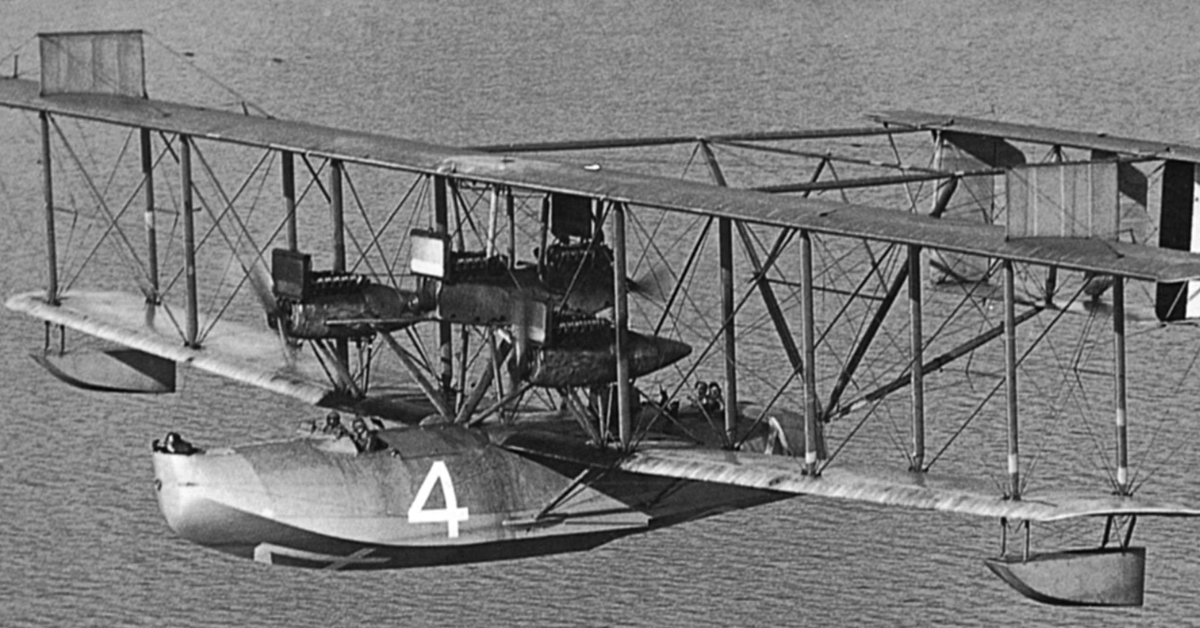
This day in history (1919) the US Navy’s NC-4 flying boat completed the first Trans-Atlantic Flight, albeit not non-stop. A crew of United States Navy and US Coast Guard aviators flew the NC-4 from New York State to Lisbon, Portugal, over the course of 19 days. This included time for stops for numerous repairs and crewmen’s rest, with stops along the way in Massachusetts, Nova Scotia, Newfoundland, and twice in the Azores Islands. Then its flight from the Azores to Lisbon completed the first transatlantic flight between North America and Europe, and two more flights from Lisbon to northwestern Spain to Plymouth, England, completed the first flight between North America and Great Britain. This accomplishment was somewhat eclipsed in the minds of the public by the first nonstop transatlantic flight, made by the Royal Air Force pilots John Alcock and Arthur Whitten Brown two weeks later.
The Navy/Coast Guard aviators became a footnote in history. Alock and Brown were were knighted by King George V and awarded 10,000 English pounds – that’s about $825,000 US (2025).

Image creator: Olaf Rahardt | Credit: ullstein bild
Also on this day in history (1941) the German battleship Bismarck sunk by British naval force sea and air forces. The Bismarck was the pride of the Kriegsmarine (German Navy)—one of the most powerful and modern battleships in the world at the time. Its loss marked a crippling setback to Germany’s surface fleet and ended its realistic hopes of challenging British naval dominance in the Atlantic. Its sinking ensured greater security for Atlantic convoys, which were vital for Britain’s survival and war effort – and was a boost in English morale in the midst of the “Battle of Britain.”
Bismarck was ultimately disabled by torpedo bombers from the aircraft carrier HMS Ark Royal, showing the growing dominance of air power in naval warfare. It marked a shift from traditional battleship-on-battleship engagements to more integrated naval operations.
 friarmusings