This coming Sunday is the 16th Sunday in Ordinary Time in Lectionary Cycle A. In the flow of the Sunday gospels since the 11th Sunday there was a strong theme of mission. In those five gospel readings we have witnessed Jesus commissioning the Twelve, encouraging them to proclaim the message of Good News from the rooftops, while warning them that all this will come at a cost. On the 13th Sunday gospel Jesus makes clear they will face opposition and pushback from all quarters of life, including their families – and they may well have to choose between family and Jesus. In the course of those three gospels, in a previous post I noted that Mt 10:9-25 was not a Sunday reading but it only emphasizes the opposition, trials, and suffering that they may well face on this mission.
Also missing from Sunday gospel reading is Chapter 12 which outlines the growing opposition and questions from a broad range of sectors. While Matthew 12 is not part of the Sunday cycle of readings, it is covered extensively in the weekday readings.
In the New American Bible (NAB) translation used by the Church for its proclamation of the gospel, Mt 12 “headers” include the following:
- Picking Grain on the Sabbath – Jesus’ status as the authoritative interpreter of the law is exemplified in the incident of the disciples’ plucking and eating grain on the sabbath. The Pharisees challenge him and the disciples as performing unlawful acts. The account ends with the clear message: “… the Son of Man is Lord of the sabbath.” (v.8)
- The Man with a Withered Hand – The question of sabbath observance continues as Jesus initiated a challenge to the Pharisees rooted in his earlier question to them: “If you knew what this meant, ‘I desire mercy, not sacrifice” (v.7). This account ends with the Pharisee plotting to put Jesus to death.
- The Chosen Servant – In the midst of the rising opposition to Jesus from the Pharisees, Matthew pauses and places Jesus’ response in the context of the OT Servant of the Lord. Jesus was fully aware of the rising opposition (v. 15) but continued his healing activity (vv. 15–16). His modesty and gentleness in the face of hostility are viewed as the fulfillment of Isa 42:1–4.
- Jesus and Beelezebul – The healing of a possessed man who was blind and mute provides the occasion for exploring the source of Jesus’ power. The healing (v. 22) produces two reactions: wonder on the part of the crowds whether Jesus is the Son of David or Messiah (v. 23), and hostility from the Pharisees, who are convinced that he is the instrument of Satan (v. 24).
- A Tree and its Fruits – Jesus takes the offensive with three warnings: (1) Closeness to Jesus is absolutely essential, and the Pharisees must recognize it or run the risk of being on the wrong side when God’s kingdom comes (v. 30). (2) The only unforgivable sin is attributing the work of the Holy Spirit to an evil spirit, as the Pharisees were doing in the case of Jesus. Failure to recognize the Son of Man for what he is may be understandable and even pardonable, but failure to recognize the source of his power is inexcusable (vv. 31–32). (3) The Pharisees’ opposition to Jesus stems from their wickedness, and in the final judgment they will be judged with regard to their willingness or unwillingness to confess that Jesus is empowered by the Holy Spirit (vv. 33–37).
- The Demand for a Sign – Despite all the miracles that Jesus had already worked, the scribes and Pharisees ask for more signs. The basic meaning of the sign of Jonah seems to involve the preaching of repentance to non-Jews and its acceptance by them. In verse 40, Matthew has given a second interpretation of the sign of Jonah: the three days spent by the prophet inside the fish (see Jonah 2) were a type or a foreshadowing of the three days between Jesus’ death and his resurrection.
- The Return of the Unclean Spirit – The passage about the evil spirit’s return is joined to the sign of Jonah by its reference to “this evil generation” (vv. 39, 45), and to the entire section beginning at 12:22 by its concern with evil spirits.
- The True Family of Jesus – The long treatment of unbelief and rejection that began in the missionary discourse of chapter 10 and continued in the incidents of chapters 11–12 concludes with the definition of the true family of Jesus as those who do God’s will.
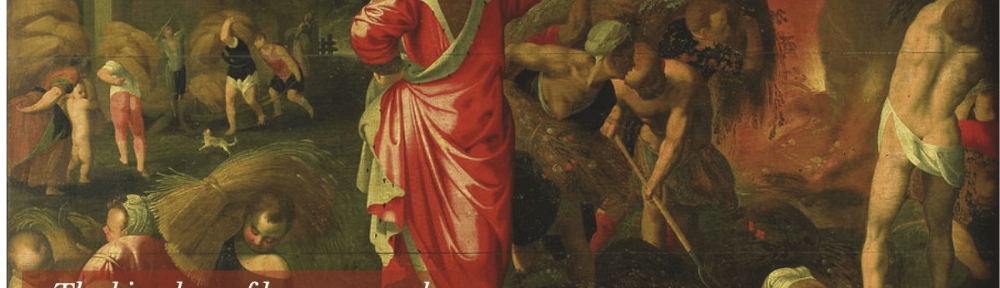
Image credit: Parable of the Weeds among the Wheat, attributed to Isaac Claesz. van Swanenburg, 1590 – 1610, Public Domain
Discover more from friarmusings
Subscribe to get the latest posts sent to your email.
 friarmusings