This coming Sunday is the 16th Sunday in Ordinary Time. As we covered in the previous post we have moved from the missionary commissioning of the Twelve with the warning that things will not always go well for them. This is part of the message in Matthew 10 and 11. While Matthew 12 is not part of the Sunday cycle of readings, it is covered extensively in the weekday readings – as we covered previously.
Chapter 12 tells how widespread is the opposition (or resistance) to Jesus’ saving message: Pharisees, the people, and perhaps even those closest to Jesus – his disciples and family. Signs of power and healing only lead to requests for more signs. Why do people not believe? Is there any explanation for the condition of things we have arrived at by the end of Matthew 12? Indeed there is; the explanation begins with simple words: “A sower went out to sow” (13:3)
Matthew 13 is a “day of parables.” The parable of the sower is spoken in public to great crowds (vv. 1–3), but its explanation and the teaching about parables are spoken only to the disciples (vv. 10–11). More parables are then spoken to ‘the crowds’ (v. 34), but the crowds are again left behind (v. 36), and the second explanation and further parables are spoken to the disciples in ‘the house’ (which Jesus had left in v. 1). The unresponsive crowds are thus clearly distinguished from the disciples to whom alone explanation is given, and this distinction is spelt out in vv. 11–17.
This short section of the Gospel according to Matthew presents a quick succession of parables:
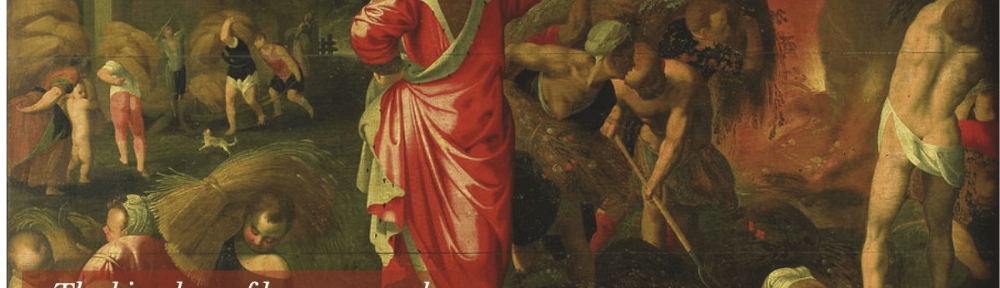
- Weeds among the Wheat (vv.24-30)
- Mustard Seed (vv.31-32)
- Yeast (v.33) – At this point Jesus leaves the crowd and speaks only to the disciples when he explains the parable of the weeds in the field (vv.36-43)
- The Treasure, the Pearl, and the Net thrown into the Sea (vv.44-50) – 17th Sunday reading.
Last week’s gospel, the parable of the “Sower and the Seed,” began Jesus’ explanation of why people would resist or refuse the word of the Kingdom of heaven (13:19). This “word” is an expression that encapsulates all the proclamations, deeds and miracles given to the people that they might believe (Mt 8-9).
Although our gospel text does not seem to indicate the audience, v.34 (All these things Jesus spoke to the crowds in parables) does make it clear that the hearers are not the disciples alone, but that the crowd is again an active participant. Given the disciples’ question: “Why do you speak to them in parables?” (v.10) and the fact that Jesus is again speaking in parables, it is clear that a larger audience is present.
Image credit: Parable of the Weeds among the Wheat, attributed to Isaac Claesz. van Swanenburg, 1590 – 1610, Public Domain
Discover more from friarmusings
Subscribe to get the latest posts sent to your email.
 friarmusings