This coming Sunday is the Solemnity of Christ the King, Lectionary Cycle A. The gospel readings for the 29th through 31st Sundays in Lectionary Cycle A all describe a series of confrontations between Jesus and religious authorities of Jerusalem, namely the scribes and Pharisees (Matthew 22 and 23). While not a part of Ordinary Time readings, Chapter 24 continues this theme of imminent destruction and coming tribulation (Mt 24:1-28). It is at this point that we turn the page to Matthew 25. It is here in Matthew 25 that we will finish the final three Sundays of this cycle of Ordinary Time:
- 32nd Sunday: The Wise and Foolish Maidens (vv. 1-13)
- 33rd Sunday: The Parable of the Talents (vv. 14-30)
- Christ the King: The Great Judgment (vv. 31-46) ~ our gospel
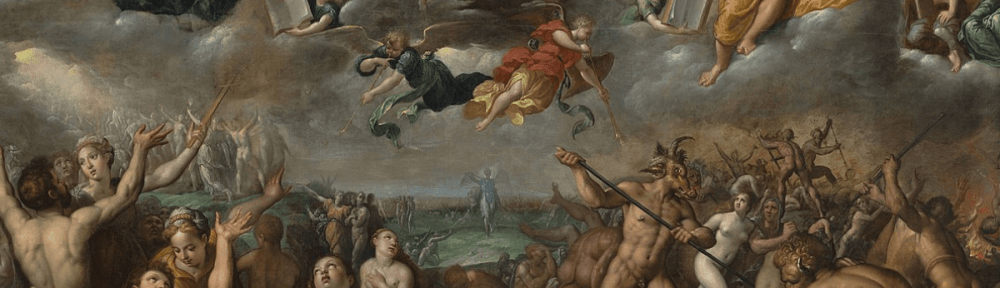
From the end of Mt 24 there is a building sense of readiness, preparation, responsible action, and more that lead to the doorstep of Matthew’s great judgment scene, often simply described as “separating the sheep and the goats:” “And he will separate them one from another, as a shepherd separates the sheep from the goats. 33 He will place the sheep on his right and the goats on his left.” (v.32) And as we all know, you do not want to be a goat.
In the language of scripture scholars, it is an eschatological scene. A description from the word “eschatology” meaning the part of theology concerned with death, judgment, and the final destiny of the soul and of humankind. Given Matthew’s “little apocalypse” (Mt 24:1-28) where Jesus describes the destruction of the Temple and Jerusalem and the apostles plead: “Tell us, when will this happen, and what sign will there be of your coming, and of the end of the age?”, we should not be surprised that the sacred author moves to the judgment upon the nations. The Parable of the Talent’s (last Sunday) repeated invitation, “Come, share your master’s joy” (vv. 21, 23), points to eternal glory. The language directed at the “wicked and lazy servant” and his ultimate fate described in v. 30 (And throw this useless servant into the darkness outside, where there will be wailing and grinding of teeth.) uses the eschatological terms that have become familiar from other judgment sayings and parables (8:12; 22:13; cf. 13:42, 50; 24:51).
Even though the story compares the Son of Man to a shepherd, it probably should not be classed as a parable, since the judgment is presented in a direct and straightforward way. When the Son of Man comes in his glory, he will divide “all the nations” into two groups. Those who have done good deeds for one of “these least brothers of mine” will be blessed, but those who have failed to do these deeds for one of “these least ones” will be condemned.
Image credit: Jacob Adriaensz Backer: Last Judgment (Matthew 25:31-33), National Museum in Warsaw, PD-US
Discover more from friarmusings
Subscribe to get the latest posts sent to your email.
 friarmusings