This coming Sunday in the Solemnity of the Ascension taken from the Gospel of Mark. It is verse 18 that gives modern day Christians pause – not the second half: “They will lay hands on the sick, and they will recover” Disciples healed in the course of their evangelism. First, Peter and John healed a lame beggar (Acts 3:1–10). Soon after, the Holy Spirit became so present that apparently even people who crossed Peter’s shadow were healed (Acts 5:12–16). Later, the Holy Spirit validated Paul’s ministry by healing those who touched an apron or handkerchief that Paul had touched (Acts 19:11–12).
The pause comes from the first half of the verse: “They will pick up serpents (with their hands), and if they drink any deadly thing, it will not harm them.” (16:18) This practice in some southern circles (especially in the Appalachians) of handling deadly snakes as part of a worship service is based on this verse. Interestingly, the practice of drinking any “deadly thing” did not seem to find a place in these same church circles. In case you are interested, The Chattanooga Times Free Press has a thorough overview of the practice among some churches in Appalachia.
Scripture is clear that Jesus promised the disciples that in the course of spreading the gospel, they would be able to “tread on serpents and scorpions” (Luke 10:19). It should be noted that this is within a passage in which metaphorically Jesus is speaking about seeing “Satan fall like lightning from the sky.” The New Testament doesn’t recall the literal appearance of snakes except for Paul’s run-in with a viper (Acts 28:1–6). While Paul was tending a fire, a viper, drawn by the heat, bit him on the hand. He shook the snake off into the flames and went about his business, surprising the locals who expected him to die.
The Greek term for snake used there, ophis, refers to a generic snake, not necessarily a poisonous one, unlike the term echidna, used in Acts 28 in the account of Paul miraculously surviving a poisonous serpent bite. Interestingly, ophis is also used in Genesis 3 (LXX) in the narrative of the temptation of Adam and Eve by the snake. This raises the possibility that the handling of snakes here could refer metaphorically to the overcoming of the curse of the serpent in the new age of salvation.
There was an interesting note in James R. Edwards’ “The Gospel According to Mark” (Grand Rapids, MI: Eerdmans, 2002 | pp.498–99) that regards the sign of drinking poison (Greek thanasimos), while there are no other references in the NT concerning Christians drinking poison without any harm. However, there is a reference to the same Greek term for poison used here, thanasimos, towards the end of the first century, by Ignatius in his letter to the Trallians, that might give some content for understanding 16:17-18.
As evidenced in Ignatius’ letter to the Trallians, there seems to be a heretical cult related to “poison” that was affecting Christian groups. Ignatius cautions the Trallians against the food of the heretics, mixed like deadly poisons (thanasimos) with honeyed wine (Ign. Trall. 6), in this case referring either literally to poison or metaphorically to heresy. This raises the possibility of a similar understanding of deadly poison in Mark 16:17-18, which when combined with the prior understanding of ophis as referring to the curse of the serpent, suggests heresy to be the more likely reference.
After this somewhat cryptic verse, we do arrive at the verses pertaining to the Ascension.
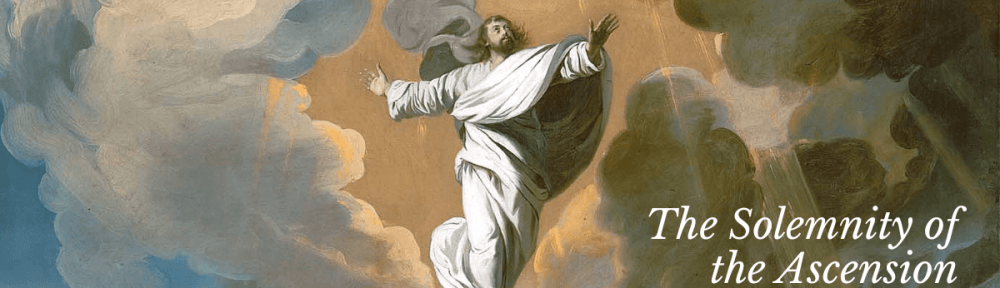
Credit image: detail from “The Ascension” (1775) by John Singleton Copley | Museum of Fine Arts, Boston | PD-US
Discover more from friarmusings
Subscribe to get the latest posts sent to your email.
 friarmusings