The writer Patricia Datchuck Sánchez offers a great insight in her commentary on this week’s readings:
In an effort to lead her young charges on an exploration of their values, a second grade teacher gave the following assignment to her class. Take a large piece of poster paper or cardboard and draw a line down the center. On the left side of the paper, write “Needs”; on the right side, put “Wants”. Then, either draw or cut pictures out of old magazines, which illustrate your needs and wants. A few days later, when the assignment was due, the classroom was filled with colorful and candid reminders of the materialistic matrix within which Christianity is challenged to make an impact. Little fingers and small hands had cut out images of video game systems, giant-screen color televisions, ten-speed bicycles, as well as ice-cream sundaes, cookies and a large assortment of candies. Unfortunately, many of these pictures were posted on the side of the poster labeled, “Needs”! Obviously the teacher had her work cut out for her. To distinguish needs from wants and then to discern true needs from false and frivolous ones is no easy task; it is, in fact, a lifelong process which requires continued evaluation. Had the same assignment been given to a classroom of adolescents or to a group of adults, would the results have been different? Or would the pictures simply have reflected the tastes and appetites of older people for sports cars, designer and name brand clothing, speed boats, luxurious homes, and the life-styles of the rich and famous. Would the more mature person also have skewed the line between needs and wants?
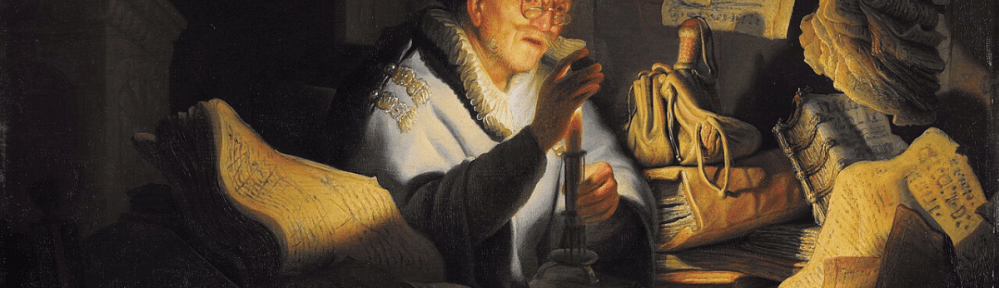
The rich man faces the same question. He would be the envy of most people — so wealthy that he does not have room to store his goods. But he is a fool because in the midst of his good fortune he has lost the sense of what is really important. He imagines that he can control his life. Possessions create this kind of illusion. The rich man is really poor in the sight of God. He does not even think about the possibility of sharing what he has with others. The implications of this story will be carried further in the tale of another rich man (16:19–31).
Luke has joined together sayings contrasting those whose focus and trust in life is on material possessions, symbolized here by the rich fool of the parable, with those who recognize their complete dependence on God (Luke 12:21), those whose radical detachment from material possessions symbolizes their heavenly treasure (Luke 12:33–34).
The gospel for this week is paired with a reading from Ecclesiastes in which “the Teacher” asks: “Vanity of vanities! All things are vanity!...For what profit comes to man from all the toil and anxiety of heart with which he has labored under the sun? All his days, sorrow and grief are his occupation; even at night his mind is not at rest. This also is vanity.” In the second reading, St. Paul reminds us, not of vanity, but of the more problematic, as he warns us, “greed that is idolatry.”
The Teacher reflects on the futility of accumulating wealth, wisdom, and pleasure. After testing every form of worldly success, he concludes: “All that my hands had done and all the toil I had spent in doing it was seen to be vanity and a chase after wind, with nothing gained under the sun” (Eccl 2:11).
Though the Teacher amassed great possessions, he found no lasting satisfaction. Greed, or the endless desire for more, is shown to be spiritually bankrupt—it cannot deliver the peace and permanence it promises. Even achievements and riches are left to someone else who “did not toil for it” (Eccl 2:21), which deepens the sense of futility. Jesus echoes this wisdom in our gospel reading.
Both texts warn us that greed distracts us from the deeper purposes of life. It blinds us to our mortality and tempts us to seek control over what ultimately belongs to God. In contrast, a life “rich in what matters to God”—marked by generosity, trust, and humility—leads to true fulfillment. As stewards rather than owners, we are called to use what we have for the good of others and for the glory of God.
Image credit: The Parable of the Rich Fool | Rembrandt, 1627 | Gemäldegalerie, Berlin | PD-US | also known as The Money Changer
Discover more from friarmusings
Subscribe to get the latest posts sent to your email.
 friarmusings