In its history the Church has known fear. The empire wide persecutions during the first 300 years. There have been persecutions in Japan, Mexico, France, China and more. In our history, the faithful have had reasons to fear. These are the obvious and loud dangers. But there are also quiet dangers in the life of faith: fear that keeps us from acting.
In the first reading, Israel’s army has been paralyzed for forty days. They are armed, trained, numerous, and yet they do nothing. Goliath’s size and strength dominate their imagination. Fear has convinced them that the situation is impossible.
David sees the same giant, but he sees him differently. David remembers something the others have forgotten: what God has already done for Israel throughout history and what God has done for David. He recalls how the Lord saved him from the lion and the bear. His confidence does not come from denying danger, but from trusting God’s faithfulness in the past and trusting that same faithfulness in the days to come.
David refuses Saul’s armor. Some suggest that it would restrict the throwing notion needed for use of the sling. But David knows that the armor represents a false security; protection without trust. David steps forward with only what he knows, a sling and five stones, and with a conviction: “The Lord who saved me… will save me again.” There is still risk. Goliath is a formidable opponent. Faith does not eliminate risk; it chooses trust over paralysis.
In the Gospel, we encounter a different kind of fear. The Pharisees watch Jesus closely. Israel and Jerusalem have a history of rallying behind one “messiah” after another. In the end the Roman armies quell the commotion, people die, and it is up to the religious leadership to calm things down and assure the Romans they have it under control. They also know the dangers of laxity and corruption of the worship demanded of Israel. They know the privileges and take comfort in control, authority and certainty.
The Pharisees are afraid of what might happen if Jesus acts. So instead of rejoicing in the possibility of healing, they remain silent.
Jesus brings the contrast into sharp focus with a simple question: “Is it lawful to do good on the sabbath or to do evil, to save life or to destroy it?” Their silence reveals how fear can disguise itself as caution, even as fidelity. Jesus chooses to act and heals the man with the withered hand, knowing it will provoke hostility. Faith, for Jesus, means trusting the Father enough to do good even when the consequences are costly.
Both readings confront us with the same choice.
Fear tells us to wait, to protect ourselves, to avoid risk. Faith tells us to remember who God is and to act accordingly. Fear focuses on what might go wrong; faith trusts that God will be present no matter the outcome.
In our own lives, fear often sounds reasonable. It urges delay, silence, and caution. But faith asks a different question: What does love require right now?
Trust in God does not mean being reckless. It means refusing to let fear have the final word. It means stepping forward sometimes with nothing more than what we already have and believing that God will do the rest.
Today’s readings invite us to examine where fear has frozen us and where God may be calling us to act. Not because we are strong, but because God is faithful.
Like David, we are asked to trust not in armor, but in the Lord. Like Jesus, we are asked to choose life, even when we are being watched.
Because faith that acts, even imperfectly, is far more powerful than fear that never moves.
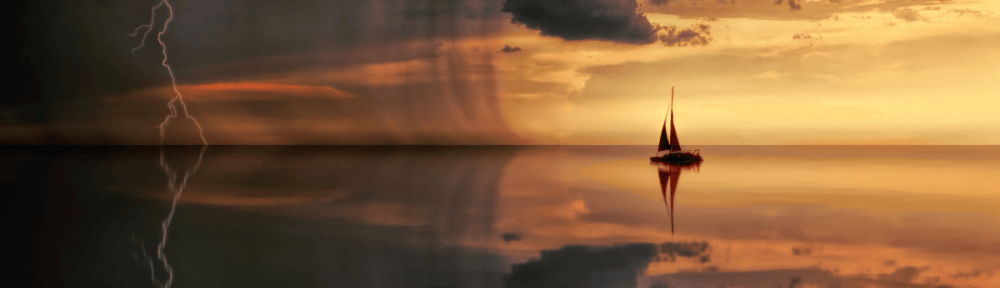
Image credit: Pexels, CC-0
Discover more from friarmusings
Subscribe to get the latest posts sent to your email.
 friarmusings