It is striking how sincere David’s plan is in the first reading. He looks around, sees that he lives in a house of cedar while the Ark of God dwells in a tent, and he decides to do something generous for God. His intention is good. His desire is faithful. And yet God says, in effect, not this — not now.
Instead of accepting David’s plan, God offers David a promise. “The Lord will make you a house.” What David wanted to build with his hands, God intends to build through history. David’s vision is immediate and visible; God’s promise is long, patient, and enduring.
The shift from our plans to God’s promise can be unsettling. We often approach God with concepts of what faithfulness should look like. It is that part of us that wants to be useful, productive, successful. When God redirects us, it can feel like rejection, even when it is actually an invitation — an invitation to trust that God is at work beyond what we can see or control. A moment to let our inner-Martha become Mary.
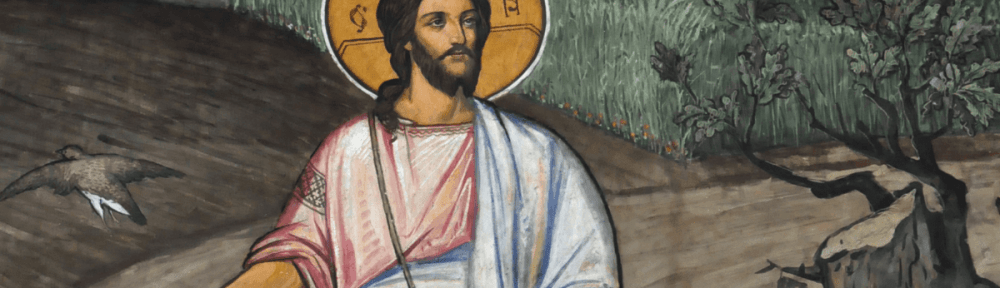
The Gospel helps us understand why this redirection matters. In the parable of the sower, the seed is good every time, all the time. What changes is the soil. When Jesus describes the soil, He is describing hearts that are distracted, hardened, shallow, or soil/heart that are prepared and open. Fruitfulness depends not just on the good seed, but also on how prepared the soil is to receive it.
This is where the two readings meet. David is asked not to build, but to listen, to receive, and to let God work in God’s own way. His faithfulness at that moment is not action, but openness. It is the root understanding of “obedience” from the Latin “obe audire” – “to listen through.” In other words, David becomes good soil in listening to what God asks of him rather than what David expects of himself.
That is often the challenge of preparing the soil of the heart. It means letting go of control. It means allowing God’s word to challenge our expectations and reshape our desires. It requires patience, because God’s promises unfold slowly. The kingdom grows beneath the surface long before anything is visible.
For us, the question is not simply, “What am I doing for God?” but “What is God trying to do in me?” The temptation is to measure faith by activity. Jesus invites us to measure it by receptivity.
When the soil is ready, fruit comes; sometimes thirty, sixty, or a hundredfold. But that fruit is God’s work, not ours. Our task is quieter and harder: to listen, to trust, and to allow God’s promise to take root in us.
We have our own plans and expectations, but are we listening and trying to discern what God is trying to do within each of us? When we can discern that we might just discover that God is building something far greater than we ever imagined with, through and in our lives.
Image credit: Detail of “Sower Went Out to Sow” | Irish Dominican Photography | Brasov, Romania | CC-BY
Discover more from friarmusings
Subscribe to get the latest posts sent to your email.
 friarmusings