
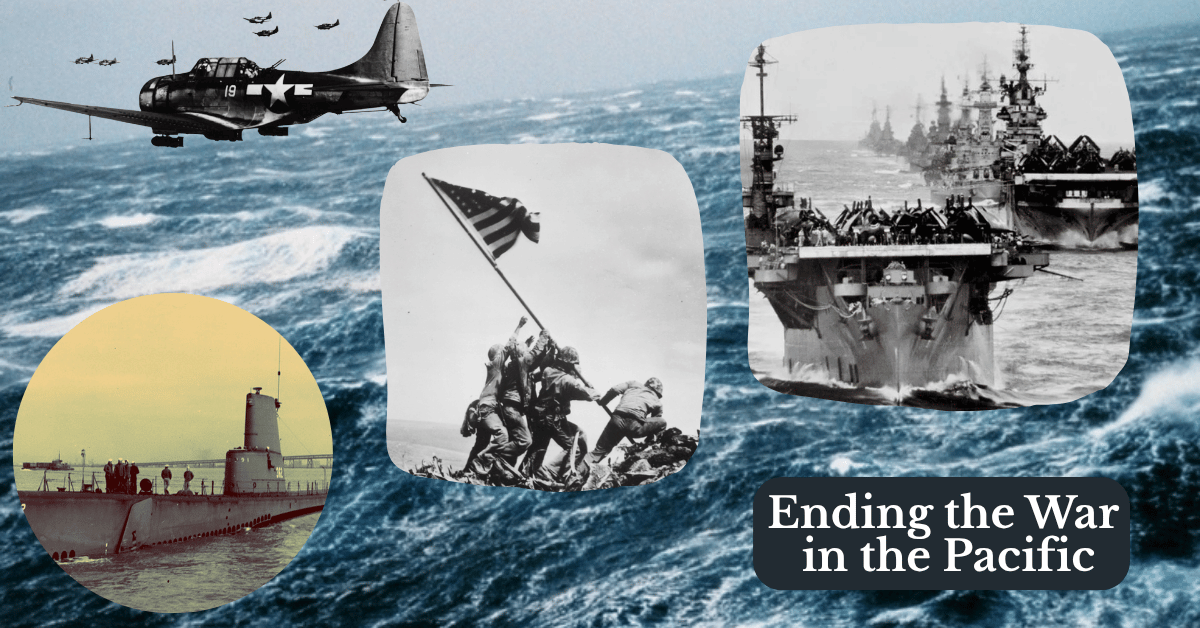
In the previous posts we paused to look back to the historical currents that shaped Japan in the 19th and 20th centuries. The posts were an attempt to provide a sense of the influences, perspectives, aspirations, and national identity that formed Japan to see its destiny as the leader of an Asia-Pacific region – and the rise of nationalism and militarism that were the means to accomplish its vision. The posts also pointed to the body-politics that was Japan: a divine Emperor, a civil government that resembled Britain, a constitution that assured a premier place for the military, and yet a great deal of uncertainty on how it all was governed. Historians agree about many things, but not the role of the Emperor, especially his degree of responsibility and decision authority for the war that engulfed the Asia-Pacific region in 1941.
Returning to the timeline of the unfolding war, in general, we have not gone into detail about naval and land battles. We have spoken about key engagements and their impact on the shape and prosecution of the war: Saipan (strategic importance and civil deaths) and a post, Battles that Changed War Strategy (Biak, Peliliu, and the air battles at Philippine Sea and Formosa) which pointed to the changing tactics and objectives of Japan as the war approached the home islands. The implications of all this was hinted at in the post Ketsu-Go outlining the strategic and tactical defense of the home islands.
Continue reading friarmusings