
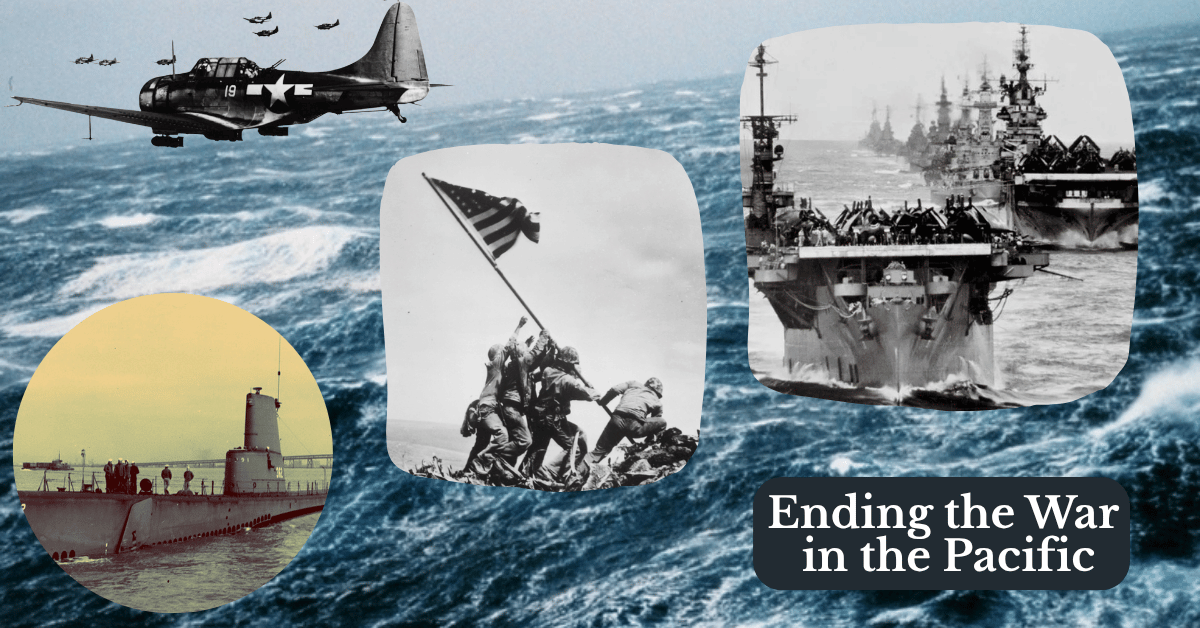
The Naval Battle off Okinawa

The Battle of Okinawa which began with the initial invasion on 1 April 1945 was the largest amphibious assault in the Pacific Theater of World War II. It was the bloodiest battle of the Pacific War. The most complete tally of deaths during the battle is inscribed on the Cornerstone of Peace monument at the Okinawa Prefecture Peace Memorial Museum, which identifies the names of each individual who died at Okinawa in World War II. At the time of the June 1995 unveiling 234,183 names were inscribed. Continued historical research leads to the addition of names. Today, the monument lists more than 242,000 names, including 149,634 Okinawans; 77,823 Imperial Japanese soldiers; 14,010 Americans soldiers, Marines and sailors; and smaller numbers of people from other countries.

What is little known is that more naval personnel (4,907) were killed in action than either Army (4,675) or Marine (2,938) soldiers.

Continue reading

Interpreting a difficult parable

Brian Stoffregen has surveyed the scholarly works and offers several models of interpretation for this notoriously difficult parable: The Dishonest Steward

1. The point of the parable is not the servant’s dishonesty, but his wise decision-making in the time of crisis. As Tannehill (Luke) states: “…a distinction is drawn between his dishonesty, which is not being commended, and his shrewdness, which is” (p. 247). His whole future depended on quick thinking and immediate actions. So the servant is presented as an example of decisive thinking and acting to save himself. Thus when even dishonest worldly people know how and when to take decisive action, how much more should those who follow Jesus know and decide such things.  

2. The servant is a man of the world, who works and thinks with diligence to protect his interest. What if all people would have the same commitment to the kingdom as they do towards their work or hobbies? 

Continue reading