
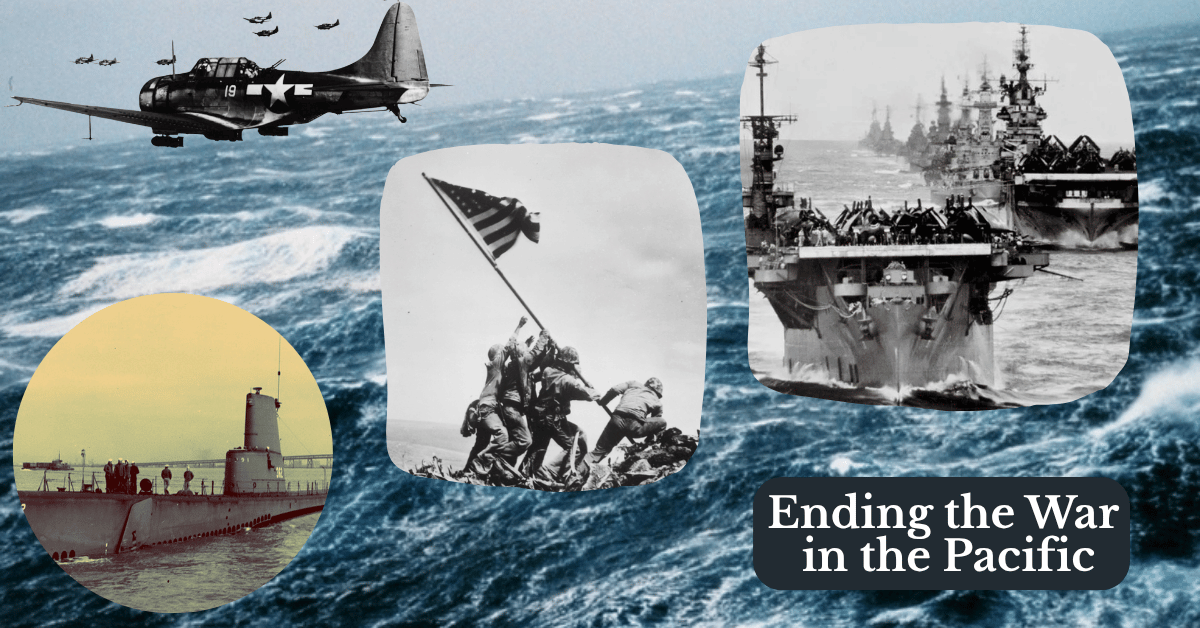
Across military histories of the War in the Pacific the phrase “strategic bombing” is used and refers to B-29 Superfortresses flying out of the Mariana Islands (Saipan, Tinian, and Guam) and bombing the Japanese home islands of Honshu and Kyushu. Strategic bombing was an idea that grew out of the experience of air power in the First World War. Military theorists such as airpower advocates like the Italian Giulio Douhet, Britain’s Hugh Trenchard, and General William “Billy” Mitchell became influential in shaping the concept during the 1920s and 1930s. Douhet’s The Command of the Air (1921) and Mitchell’s Winged Defense (1925) became the starting point of thought and planning about the future of air warfare, strategic bombing in particular.
In Winged Defense Mitchell predicted that Japan would one day be America’s principal Pacific rival and that Tokyo itself could be struck by long-range strategic bombers launched from Pacific islands. His ideas were considered to be influential in a general way in the development of War Plan Orange but he was not personally involved in such planning. Nonetheless, the idea of strategic bombing had been planted.
Continue reading friarmusings