Overview
This is a somewhat longish post with details that may be of interest to a smaller group. Perhaps an “executive summary” would be helpful:
- Chinese shipyards generally build both civilian-use and military-use vessels – and often civilian vessels meet military specifications, e.g., ferries – allowing their easy incorporation into fleet use.
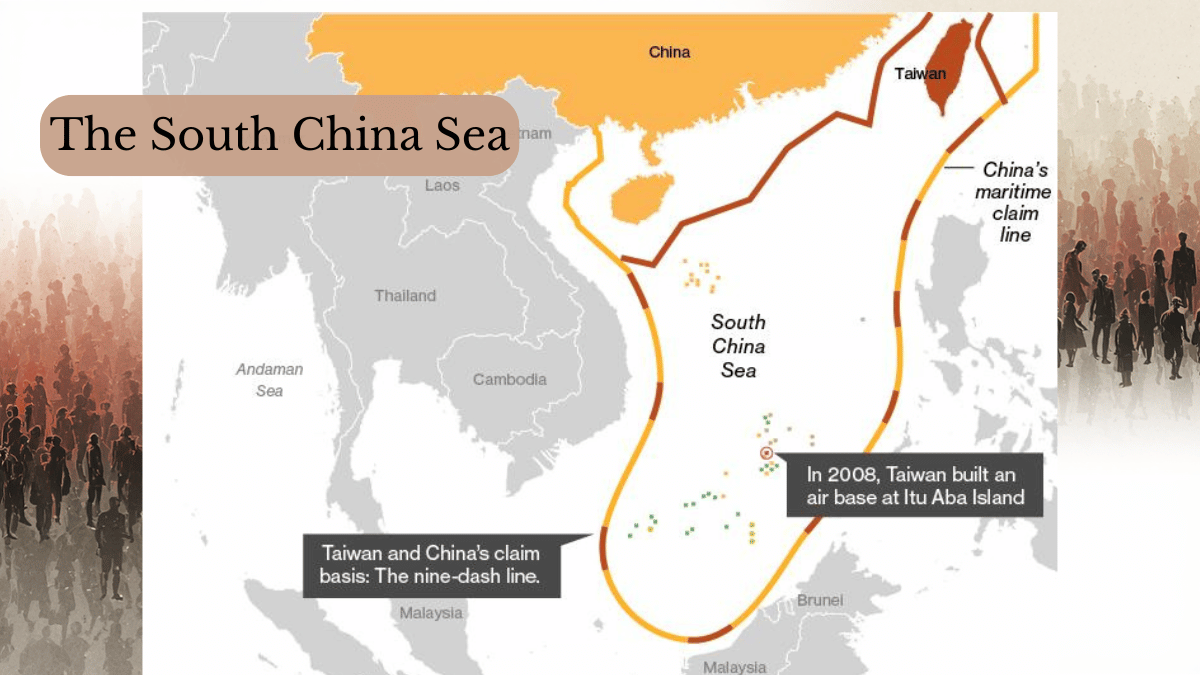
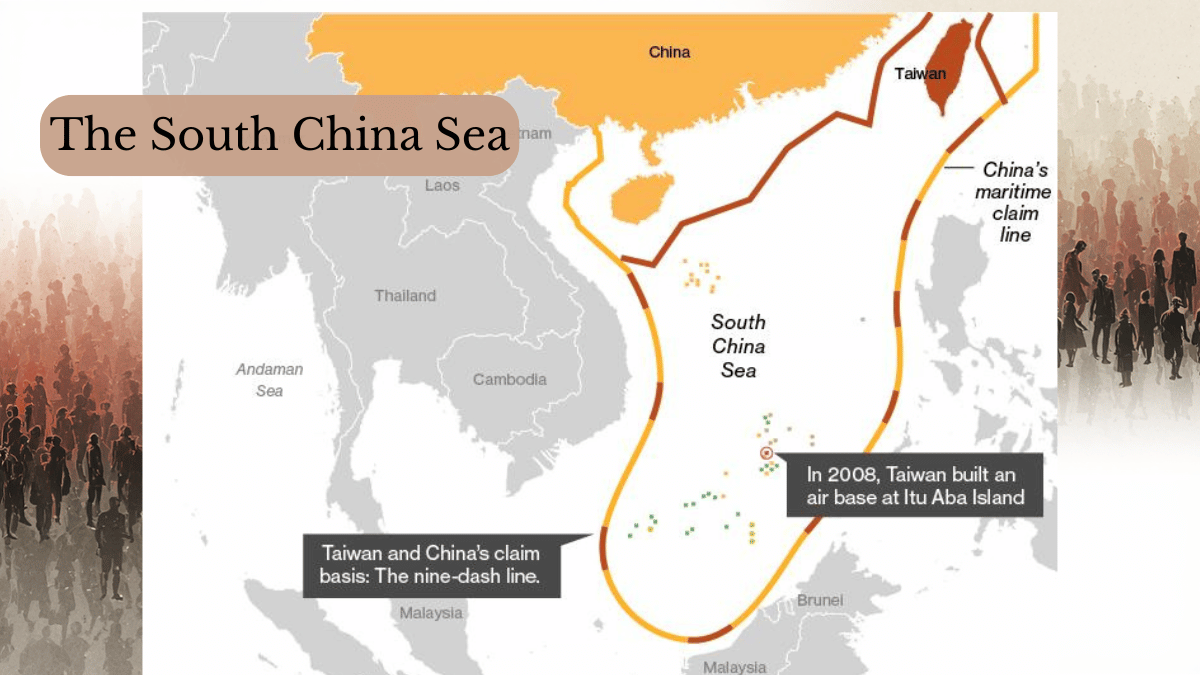
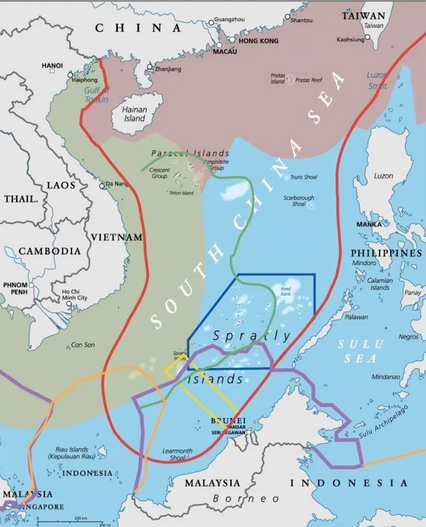
- China’s first interest is the South China Sea (SCS) and this is reflected in their “order of battle” in that combat ships are modern but the vessels needed for logistic support for a “blue water” navy are not part of the order.
- With their mainland based airfields, combatants, and fortified SCS islands and shoals, their “inland sea” is saturated with communications, detection and offensive strike ability – against indicating their interest is SCS operations vs. “blue water” operations. That being said, their combatants are more than capable of operating in the open ocean.
- Their submarine fleet is largely non-nuclear which is not as much a liability in SCS operations. They are advancing their nuclear fleet of submarines, well equipped with vertical launch systems.
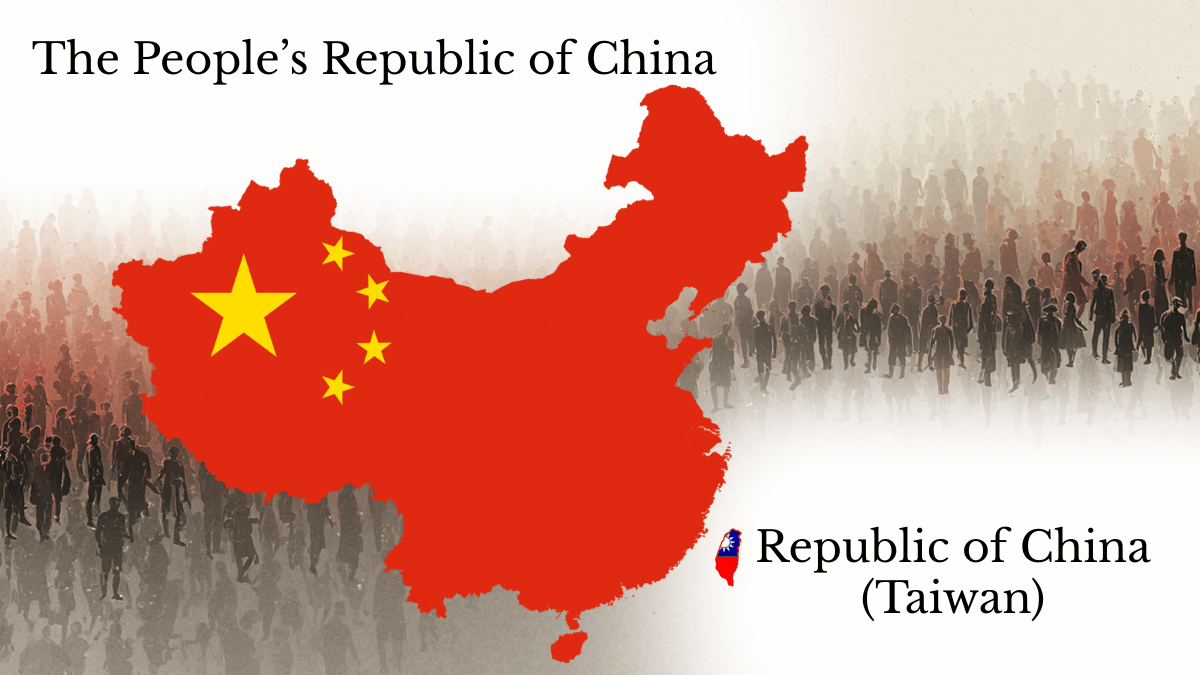
- Over the last 10 years, the Chinese amphibious strike capability – undoubtedly aimed at Taiwan – has grown sophisticated and has been well exercised with a December 2025 excise encircling Taiwan to demonstrate they are capable of “strict quarantine” (blockade by any other name) or amphibious landings.
Shipbuilding: Military-Civil Fusion
China has developed the world’s largest and most integrated shipbuilding industry, deliberately structuring it so that commercial and military production reinforce one another. Major state-owned conglomerates such as China State Shipbuilding Corporation (CSSC) oversee vast networks of shipyards capable of producing everything from container ships and liquefied natural gas carriers to destroyers, aircraft carriers, amphibious assault ships, and coast guard vessels. Unlike many Western countries, where commercial and naval shipbuilding are largely separated, China’s shipyards often operate dual-use production lines, employ common suppliers, and maintain workforces and infrastructure that can be shifted between civilian and military contracts. This arrangement gives Beijing enormous surge capacity in wartime while allowing peacetime commercial exports to subsidize and sustain industrial capabilities critical to the People’s Liberation Army Navy (PLAN).
A central feature of this strategy is China’s “military-civil fusion” policy, under which commercial ship designs are increasingly required to incorporate specifications that could support military mobilization. Particular attention has been given to large roll-on/roll-off (Ro-Ro) ferries, vehicle carriers, and heavy-lift merchant vessels that could rapidly transport troops, armored vehicles, and logistics supplies during an amphibious operation, especially in a Taiwan contingency. Chinese shipyards have produced dozens of large Ro-Ro ferries with strengthened vehicle decks, helicopter landing capability, reinforced ramps, and compatibility with military loading requirements. Vessels operated by commercial firms routinely participate in annual PLA amphibious exercises, demonstrating how civilian shipping assets could augment dedicated naval amphibious lift.
China is also the dominant force in global commercial shipbuilding, accounting in recent years for roughly half of worldwide merchant ship output by tonnage. This dominance provides strategic advantages beyond economics. Massive commercial production sustains steel fabrication, marine engine manufacturing, electronics integration, port infrastructure, and skilled labor pools that are directly relevant to naval expansion. As already mentioned, many categories of Chinese-built commercial vessels possess latent military utility, including ferries, container ships, offshore support vessels, dredgers, and logistics carriers. While only a minority are explicitly designed for military conversion, the overall scale of China’s merchant fleet and shipyard output gives Beijing access to a reserve maritime transport capacity unmatched by most other nations.
The dual-use character of Chinese shipbuilding has become a growing concern for the United States and its allies because it blurs the traditional distinction between civilian and military maritime power. In a prolonged crisis, China could leverage its enormous commercial maritime base not only to sustain trade and logistics, but also to support sealift, repair, replenishment, and amphibious operations. This integration of civilian industry with naval strategy reflects a broader Chinese view that economic infrastructure, transportation networks, and industrial capacity are all components of comprehensive national power.
Blue-Water Combatants, Maritime Enforcement Vessels, and Amphibious Support Forces
The naval modernization of the People’s Republic of China over the past two decades has transformed the People’s Liberation Army Navy (PLAN) from a largely coastal defense force into one of the world’s most powerful maritime services. Today, the PLAN fields a rapidly expanding fleet of advanced surface combatants, a massive maritime enforcement structure, and increasingly capable amphibious support forces designed to sustain operations far from the Chinese mainland. China’s naval buildup reflects both its economic rise and its strategic ambition to become the dominant maritime power in the western Pacific and a global naval presence by mid-century.
A key aspect of the PLAN’s evolution has been the development of a modern “blue-water” navy capable of operating across the Indo-Pacific and beyond. Blue-water combatants include aircraft carriers, guided missile destroyers, cruisers, frigates, nuclear submarines, and replenishment ships capable of sustained long-range operations. The PLAN now possesses the world’s largest navy by number of hulls, with estimates placing the fleet at approximately 370 battle-force ships and submarines.
Aircraft Carriers. Among the most visible symbols of China’s naval rise are its aircraft carriers. China currently operates three carriers: the Liaoning, the Shandong, and the newer Fujian. The first two employ ski-jump launch systems similar to earlier Soviet carrier designs, while the Fujian represents a major technological leap with electromagnetic catapult launch capability comparable to modern American carriers. Although Chinese naval aviation experience remains less mature than that of the United States Navy, the PLAN has demonstrated increasing proficiency in carrier flight operations and task-group coordination. These carriers provide China with expanding regional power-projection capability and support Beijing’s strategic objectives in the South China Sea, East China Sea, and western Pacific.
Large Destroyers. China’s destroyer force has also expanded dramatically. Of particular importance is the Type 055 Renhai-class guided missile destroyer, often regarded by Western analysts as functionally equivalent to a cruiser because of its size and firepower. The Type 055 destroyer carries 112 vertical launch system (VLS) cells. By way of comparison, the U.S. Arleigh Burke-class destroyer (Flight IIA) typically has 96 cells while the Ticonderoga-class cruiser has 122 cells.
In March 2026, China officially confirmed the commissioning of its ninth and tenth Type 055 vessels, bringing the total operational fleet to ten ships. These ships displace approximately 12,000 to 13,000 tons and carry advanced radar systems, long-range surface-to-air missiles, anti-ship missiles, land-attack cruise missiles, and anti-submarine warfare systems. The Type 055 provides escort capability for aircraft carriers while also serving as a major strike platform in its own right.
Small Destroyers and Frigates. Supporting the Type 055s are large numbers of Type 052D destroyers. One of the defining features of the Type 052D is its 64-cell universal vertical launch system (VLS) with a mix of long-range surface-to-air missiles, anti-ship cruise missiles, land-attack cruise missiles, anti-submarine rocket torpedoes, and other missile types. This gives the ship substantial flexibility in fleet operations. The Type 052D serves several key functions: escorting aircraft carriers, defending fleets from aircraft and missiles, striking enemy ships, supporting amphibious operations, and demonstrating Chinese blue-water naval reach. There are also modern frigates such as the Type 054A class with its 32-cell vertical launch system (VLS). The Type 054A is especially important because of its ASW mission. All of the above support advanced helicopter operations especially for ASW operations.
China’s destroyer and frigate construction rate has significantly exceeded that of most other navies.
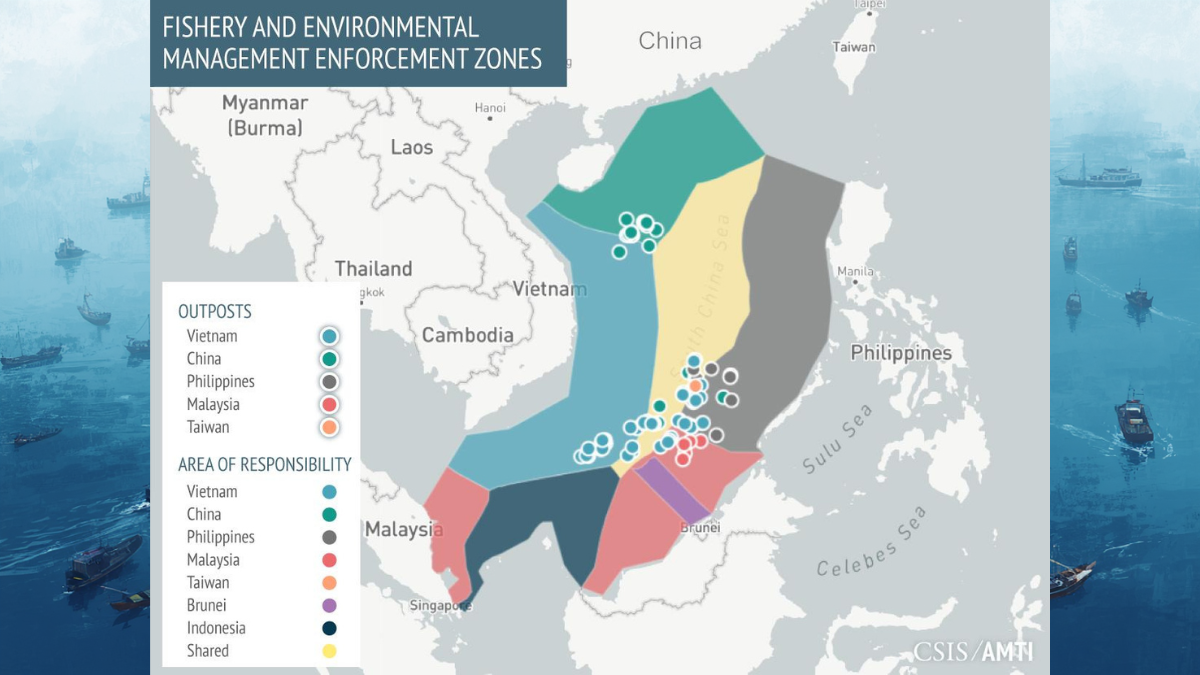
Maritime Enforcement. In addition to combat warships, China has built a substantial maritime enforcement fleet centered on the China Coast Guard (CCG) and supported by the People’s Armed Forces Maritime Militia (PAFMM). These forces play a central role in China’s “gray-zone” strategy, which seeks to assert Chinese territorial claims without triggering outright military conflict. The CCG has become the world’s largest coast guard force and operates heavily armed cutters capable of intimidating neighboring states in disputed waters such as the South China Sea and around the Senkaku/Diaoyu Islands.
Many Chinese coast guard vessels are larger than the naval combatants of neighboring countries. Some are converted former PLAN warships, while newer purpose-built cutters incorporate reinforced hulls, helicopter facilities, water cannons, and in some cases weapons systems approaching naval capability, e.g 30mm automatic cannons and 76mm naval guns. There are standard cutters and larger vessels (Zhaotou-class) that carry even larger weapons and tactical support. One of the capabilities not to be underestimated are the water canons.
Chinese Coast Guard ships frequently use water cannons against Philippine resupply vessels, fishing boats, and other foreign craft. These systems can damage equipment, injure crews, disable navigation gear, and force vessels off course. Because they are considered “non-lethal,” they allow coercion below the threshold of formal armed conflict.
The China Coast Guard operates under the People’s Armed Police and ultimately under the command authority of the Chinese Communist Party’s Central Military Commission, blurring distinctions between civilian law enforcement and military operations.
China also relies heavily on the maritime militia, a loosely organized fleet of fishing vessels and commercial ships that can support surveillance, logistics, and coercive maritime operations. Maritime militia vessels frequently operate alongside coast guard ships in disputed waters, allowing China to maintain pressure on rival claimants while avoiding direct naval escalation. Analysts increasingly view these forces as an integral part of China’s layered maritime strategy. There is no standard vessel configuration but most analysts believe equipment includes small arms, machine guns, signal equipment, reinforced hulls for ramming, water cannons, military communications gear, and surveillance electronics.
Militia vessels also support maritime reconnaissance, electronic observation, and intelligence gathering. Because they operate continuously in disputed areas, they can track foreign ship movements, monitor fishing activity, and relay information to Chinese authorities. They are many in number and are an example of military-civilian-use fusion.
Amphibious Capability
The PLAN’s amphibious warfare capability has expanded rapidly as well, reflecting China’s growing focus on potential operations involving Taiwan and regional expeditionary missions. Amphibious operations require specialized assault ships, transport docks, landing ships, logistics vessels, and civilian support shipping capable of transporting troops, vehicles, helicopters, and supplies across contested waters.
China’s most important amphibious assault vessels are the Type 075 landing helicopter docks (LHDs). These ships resemble smaller versions of American amphibious assault ships and can carry helicopters, amphibious vehicles, marines, and landing craft. By 2026, China had reportedly fielded eight Type 075 vessels, with additional units planned. The PLAN is also developing the newer Type 076 class, which is expected to incorporate unmanned aerial systems and more advanced aviation capabilities.
Supporting the Type 075s are numerous Type 071 amphibious transport docks (LPDs), traditional tank landing ships, and extensive civilian roll-on/roll-off ferry assets. China’s civilian shipping industry plays a particularly important role in amphibious planning. Under China’s military-civil fusion strategy, commercial ferries and transport ships are designed or modified to support military sealift operations. Large commercial ferries have participated in military exercises simulating troop and equipment transport across the Taiwan Strait.
The integration of civilian and military shipping gives China an enormous logistical advantage in any potential large-scale amphibious campaign. While the PLAN may still face serious challenges in conducting a full-scale invasion of Taiwan—particularly under hostile combat conditions—the scale of Chinese amphibious lift capacity has increased substantially compared to even a decade ago. According to analyses by the China Maritime Studies Institute and other defense organizations, China continues to expand specialized amphibious brigades, landing platforms, and joint logistics capabilities designed for cross-strait operations.
Despite these advances, important limitations remain. China still lacks the operational combat experience possessed by the United States Navy and some allied navies. Carrier aviation operations, large-scale amphibious warfare, anti-submarine warfare, and complex multinational coordination remain areas where the PLAN continues to develop proficiency. Moreover, sustaining naval operations over very long distances remains more difficult for China than for the United States, which maintains a global network of overseas bases and alliances.
Nevertheless, the overall trajectory of Chinese naval power is unmistakable. China has constructed a highly modern fleet of blue-water combatants, built the world’s largest maritime enforcement apparatus, and developed increasingly capable amphibious support forces that together support Beijing’s regional ambitions and global aspirations. The PLAN is no longer merely a coastal defense navy; it is becoming a comprehensive maritime force capable of contesting control of the western Pacific and projecting influence well beyond East Asia. The continued expansion of China’s naval capabilities will remain one of the defining strategic developments of the twenty-first century.