

 In flurry of activity, President Trump issued an executive order entitled “Protecting the Nation From Foreign Terrorist Entry Into the United States” (you can read the full text here). The key points of the Executive Order are:
- 90-day ban on entry into the US from Iraq, Iran, Syria, Libya, Yemen, Somalia and Sudan
- 120-day suspension of the refugee resettlement program
- Indefinite suspension of the arrival of Syrian refugees
- 64% decrease for refugees admitted into the US in 2017
- Prioritization of refugees who are religious minorities suffering religious persecution
- Mandated review of stricter vetting procedures for refugees and immigrants.
 The Vatican archives are far from being an amusement park for conspiracy theorists. In fact, they might be quite boring for the general audience: nothing too scandalous, noting too secret. Actually, the aura that covers the Archivum Secretum Apostolicum Vaticanum — that’s its official full name — might only be due to a mistranslation from the original Latin: “secretum,” far from being translated as “secret,” simply means “personal.” Whomever has ever had a secretaire (a secretary desk, an escritoire, hopefully a Chippendale) might probably get a hint of what’s at stake here: the Vatican “Secret Archive” is a collection of personal documents, mainly private letters, chronicles and historical records of past popes. Sorry to burst your bubble, Dan Brown & Co.
  11 Blessed are you when they insult you and persecute you and utter every kind of evil against you [falsely] because of me. 12 Rejoice and be glad, for your reward will be great in heaven. Thus they persecuted the prophets who were before you.
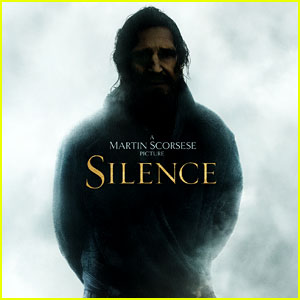 Martin Scorsese’s “Silence” tells the story of Portuguese Jesuit missionaries in 17th century Japan. Although the film is based on a fictional novel by the Japanese author Shusaku Endo, many of the events and people depicted in “Silence” are real.
 This weekend, our parish is hosting Fr. Kevin Mullen, OFM, the Provincial Minister of
  Lemony Snicket’s “A Series of Unfortunate Events” is a series of 13 children’s novels noted for their modern gothic tone, dark humor, and quirky story telling. Probably an acquired taste for lots of folks, but then the books have sold more than 65 million copies. Somebody’s reading them. Partly drawn from the series, Lemony Snicket (real name Daniel Handler) has compiled a post-modern book of wisdom and wit – a post-modern Benjamin Franklin of a sort.
