
 We often forget that the season of Advent speaks to the betwixt and between of the Birth of Jesus and his Second Coming. So, we shouldn’t be surprised that our first reading is from the firebrand, no-holds-barred prophet Zephaniah. He makes no bones about it. Judgment is coming upon Jerusalem. The Lord will be cleaning house: “And you shall no longer exalt yourself on my holy mountain. But I will leave as a remnant in your midst a people humble and lowly.” (Zeph 3:11-12) All seems a little unfair, don’t you think? For Jerusalem to be sure, but us too. Not exactly joyful here just a new days after Gaudete Sunday.
A reminder
Reply
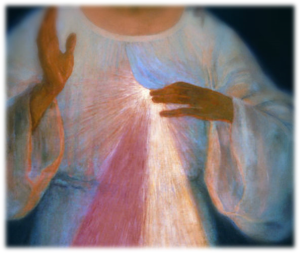 Recently wrote about forgiveness. I started out the column as a reflection on the readings for Advent sometime do not seem to fit the mood of Christmas coming. But then Advent is a time of waiting and reflecting; and to think about gift giving. Forgiveness is one of the great gifts you can give. The end of the post I mused: “What ‘Christmas gift’ comes along with this life of forgiveness? Lower blood pressure, restful night, sweet dreams, peace, no longer being a victim, uninterrupted prayer, a new experience of God’s love… and so much more. Your gift is waiting right there under the tree, the cross of Christ. Go ahead, open your gift. `Tis always the season.’”
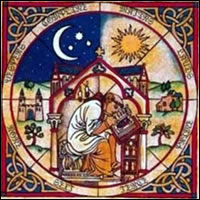 One of my morning rituals for some time now has been, in the wee hours of the morning before dawn, to pray the morning prayer (lauds) of Office of the Dead. It is one of the prayer cycles for the repose of a soul found in the Divine Office of the Catholic Church, also called the “Liturgy of the Hours.” You can find versions online. The morning prayer consists of Psalm 51;

 friarmusings