
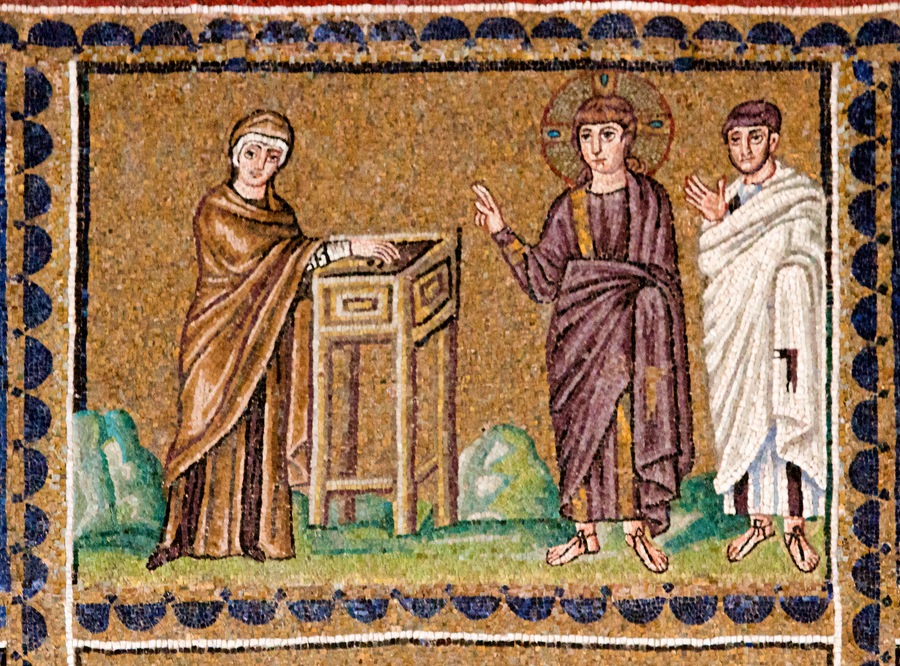
 38 In the course of his teaching he said, ‘Beware of the scribes, who like to go around in long robes and accept greetings in the marketplaces, 39 seats of honor in synagogues, and places of honor at banquets. 40 They devour the houses of widows and, as a pretext, recite lengthy prayers. They will receive a very severe condemnation.’
There is always a pause when I read this passage. Being a Franciscan Friar, I go around in long robes, inevitably accept greetings as I move out and about, whether I want it or not, I end up in the places of honor at banquets, and in the church, and I occupy the ‘big chair’ reserved for the presider at Mass. During Mass, some parishioners might accuse me of reciting lengthy homilies (hopefully not as a pretext). The only part for which I am hopefully safe is devouring the houses of widows. Perhaps it is cautionary pause. Continue reading
 What is the old expression? “Good things come to those who wait.” A little more than 18 months ago there was a chance discussion with one of our parishioners, Francesca Bacci, an art history professor at the University of Tampa. She wanted to be more active in the parish and wondered what opportunities there might be. Given her expertise in medieval art, specifically Italian and in the era of St. Francis, I thought there could be some great opportunities for presentations on the art of Giotto and the art that adorns the basilica of St Francis in Assisi.

 What kind of leaders do we want? Certainly, a good question here with the mid-term elections upon us. It is always a good question for the Church. I have lived during the pontificates of seven popes and in my lifetime, we have certainly had a wide variety of types and styles of leaders. In our history, we have had 266 popes. We have had some spectacularly amazing leaders, saints in the making, and we have had some spectacularly horrific leaders, who would have been quite at home in Game of Thrones (so I hear, I actually haven’t seen it…). All took up the Keys of Peter, with the same job description given Peter: Feed my sheep; tend my lambs. The Pope is the most visible of leaders in the Church, but not the only ones with that same job description. The simple mandate, “feed my sheep; tend my lambs” applies to priests, pastors, parents, principals, police, and anyone who would lead – anyone who would answer the call to minister in the Holy Name of Jesus.
 friarmusings