 This coming Sunday marks our journey in Ordinary Time, the 22nd Sunday in Year C. You can read a complete commentary on the Sunday Gospel here.
1 On a sabbath he went to dine at the home of one of the leading Pharisees, and the people there were observing him carefully. … 7 He told a parable to those who had been invited, noticing how they were choosing the places of honor at the table. 8 “When you are invited by someone to a wedding banquet, do not recline at table in the place of honor. A more distinguished guest than you may have been invited by him, 9 and the host who invited both of you may approach you and say, ‘Give your place to this man,’ and then you would proceed with embarrassment to take the lowest place. 10 Rather, when you are invited, go and take the lowest place so that when the host comes to you he may say, ‘My friend, move up to a higher position.’ Then you will enjoy the esteem of your companions at the table. 11 For everyone who exalts himself will be humbled, but the one who humbles himself will be exalted.” 12 Then he said to the host who invited him, “When you hold a lunch or a dinner, do not invite your friends or your brothers or your relatives or your wealthy neighbors, in case they may invite you back and you have repayment. 13 Rather, when you hold a banquet, invite the poor, the crippled, the lame, the blind; 14 blessed indeed will you be because of their inability to repay you. For you will be repaid at the resurrection of the righteous.” (Luke 14:1,7-14) Continue reading →

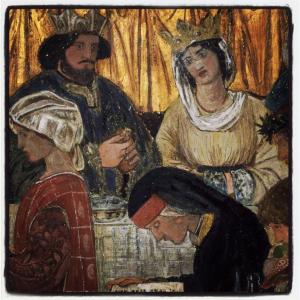 12 Then he said to the host who invited him, “When you hold a lunch or a dinner, do not invite your friends or your brothers or your relatives or your wealthy neighbors, in case they may invite you back and you have repayment. 13 Rather, when you hold a banquet, invite the poor, the crippled, the lame, the blind; 14 blessed indeed will you be because of their inability to repay you. For you will be repaid at the resurrection of the righteous.”
 friarmusings