
The Rich Fool of our parable gets a bad rap. Compared to other parables, there is no wrongdoing, no theft, inflating invoices, skimming off the top, no taking advantage of workers in the vineyard. Maybe he is just preparing for his retirement where he and his family can finally rest and relax, – and sure, eat, drink, and be merry. His goals seem similar to our own concerns with our savings and retirement plans.
Let’s be honest if you or I had a bumper crop like the Rich Fool we would be figuring out ways to store and preserve our good fortune. Maybe not the way in which the Rich Fool does. Hopefully we would thank God for his harvest, from his fields, via his rains. Hopefully we would not consume and possess things indiscriminately, relentlessly grabbing for all that we can, hoping to insulate ourselves from our insecurities and our fears. Those are the concerns of this life, but what about eternal life?
Continue reading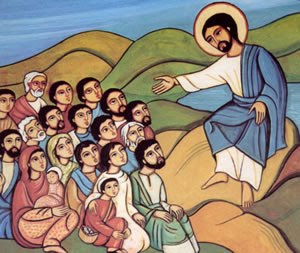 Jesus said to his disciples: “In praying, do not babble like the pagans, who think that they will be heard because of their many words. Do not be like them. Your Father knows what you need before you ask him” (Mark 6:7-8) This is the verse that comes just before the Markan version of the Lord’s Prayer/Our Father. Depending o the translation one is viewing you will read references to “babbling” in prayer, vain repetitions, empty phrases, needless words – all referring to the pattern of prayer used by the pagans of Jesus’ time.
  It is a small part of
  Memory is an interesting thing. There are many physiological and psychological theories around the topic, but lots of folks seem to agree we have memory for facts and memory for context. Sometimes the memories are general and sometimes explicit. We tie memory to specific events, personal experiences, semantic categories and more. Then whatever the memory, we have to “register” the memory, store it and then recall it.
 friarmusings