
This page is the gateway to the collection of posts concerning topics in the Asia-Pacific region. The post grew out of several series concerning the Asia-Pacific War (1937-1945) as well as more modern topics surrounding the South China Sea region – primarily China (PRC) and Taiwan (ROC) and the disputes of sovereignty in the region, including fishing, seabed mining, and navigation in international waters.
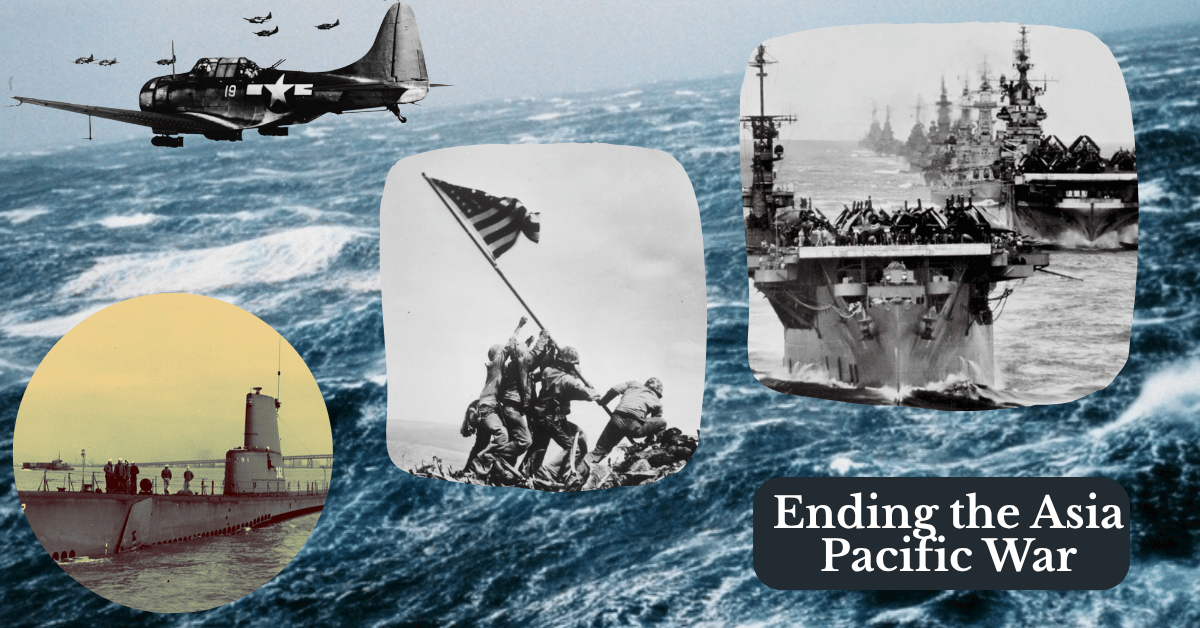
Asia Pacific Conflict primarily covers the events from Pearl Harbor to the end of the war although it does include topics about Japan before the war, especially how factors that affected military and political decisions. The primary trajectory of the series was to explore the ending of the war if no atomic weapons were available. As the series points out since the start of armed conflict, more than 30 million Asians had been killed, the vast majority of them civilian. In the last 12 months of the war alone, more than 1 million Vietnamese died. How can you end a war when Japan was militarily defeated but unwilling to surrender?
Before the War traces the development of Japan from an isolated agrarian island society to a world power with imperial ambitions in the Asia-Pacific region. At the same time the series discusses the influence of China, China Trade, and the growing American pacific interests in the 19th and 20th century. With that background in place, a number of posts describe the failed diplomatic initiatives in the 1920s, 1930s and up to December 1941 that led to U.S. involvement in the already broiling Asia Pacific conflict
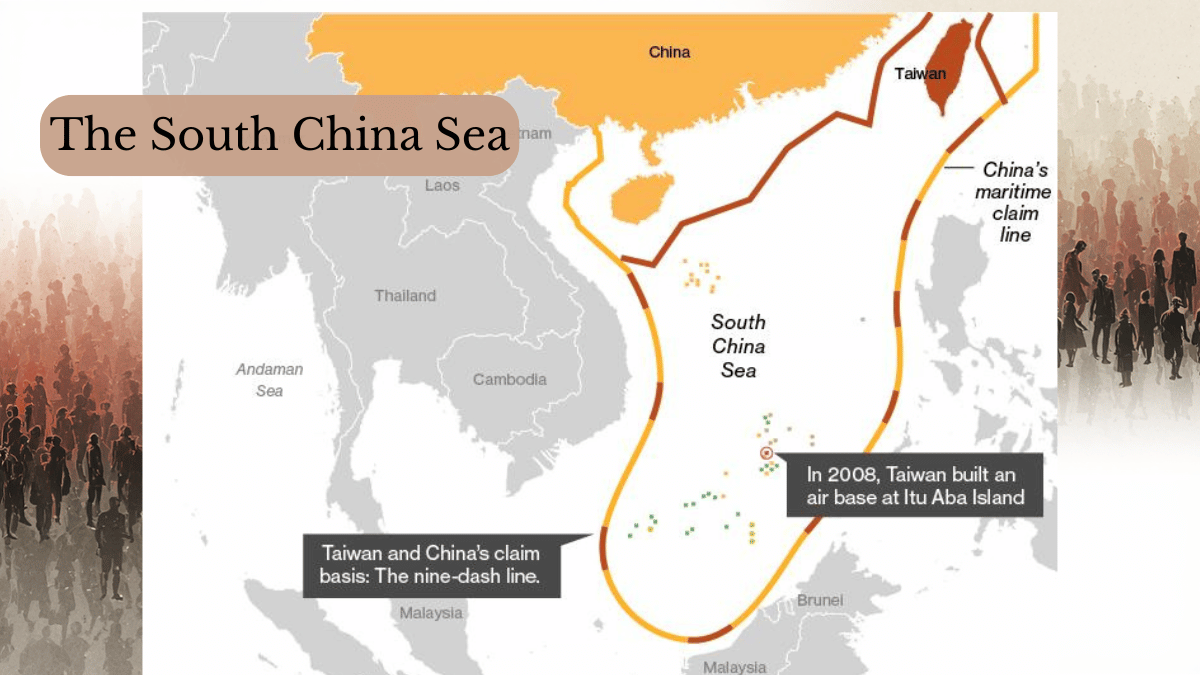
This limited series outlines the history, interests and stakes involved in the South China Sea. The posts make clear that China-Taiwan disputes are but one part of the conflict. China’s assertion of “rights” well outside internationally recognized sea boundaries affects the Philippines, Vietnam, Malaysia, Indonesia, and Borneo. Those assertions also conflict with the United Nations laws of the sea, of which China is a signatory. And in the midst of all that, China increasingly flexes its military capability aimed at Taiwan. What it the U.S. role and interest in all this?

