
The gospel readings in Holy week always speak about Judas and his betrayal of Jesus. The Gospel of Mark, for example, gives no motivation for Judas’s sudden betrayal. Matthew, writing a decade or so later than Mark, attempts to clarify things in his account by introducing the motive of greed: “What are you willing to give me if I hand him over to you?” asks Judas to the Jewish high priests. Luke simply writes: “Then Satan entered into Judas, the one surnamed Iscariot, who was counted among the Twelve, and he went to the chief priests and temple guards to discuss a plan for handing him over to them.” The Gospel of John parallels the avarice theme depicting Judas as a greedy keeper of the common purse. “He said this not because he cared about the poor but because he was a thief and held the money bag and used to steal the contributions.” Continue reading
Outside the Light
Reply
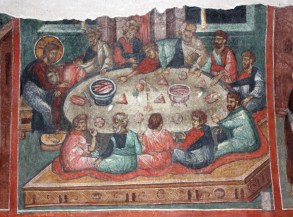 As we move closer to the events of Holy Thursday and Good Friday, a cloud of darkness this way comes. For the past week of so we have been hearing about members of civic and religious leadership plotting to kill Jesus. The dark clouds have been on the horizon for some time. In
