
Let us go rejoicing

The year is 587 BC. The armies of Babylon have captured and destroyed the city of Jerusalem – including the Temple built by Solomon. The people are taken into the diaspora that will be known as the Babylonian Captivity. “By the rivers of Babylon, there we sat weeping when we remembered Zion…But how could we sing a song [of joy for] the LORD in a foreign land?” (Psalm 137)  There is no Temple, there is no rejoicing.

In yesterday’s first reading we read that King Cyrus of Persia has freed the Israelites from captivity in Babylon, allowing them to return to Jerusalem along with all the sacred items the Babylonians took from the Temple in Jerusalem some 40 years prior. The king’s instructions were to rebuild the Temple and worship God in their tradition.

Continue reading
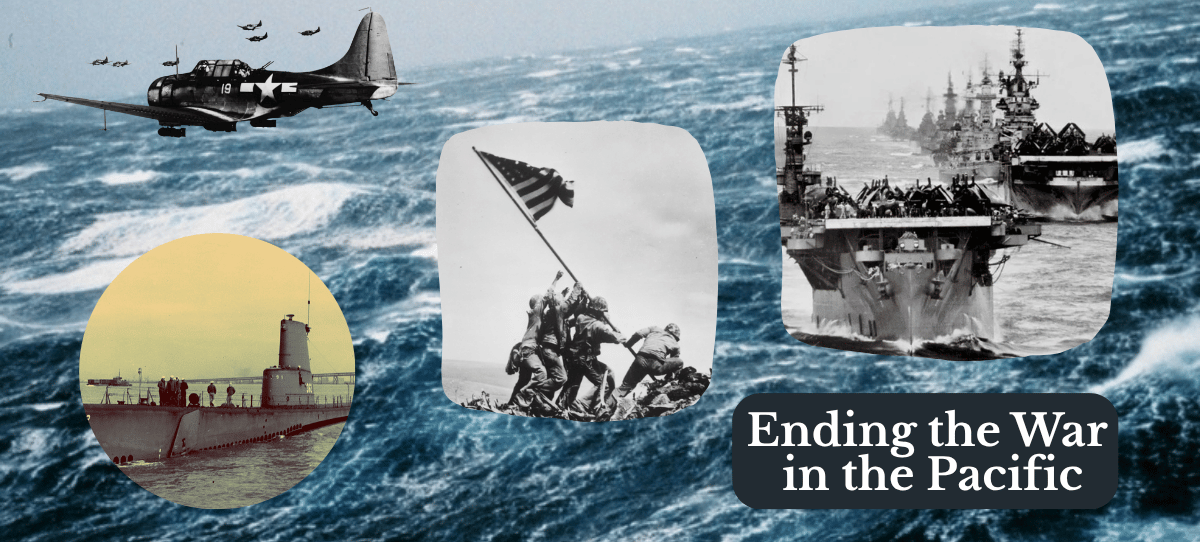
Allied Bombing – The First Phase

There was an early phase of B-29 bombings on the Japanese home islands as part of Operation Matterhorn. These were planes launched from China. The airfields in China were highly vulnerable. Supplies and logistics had to be flown over the Himalaya Mountains. There were no accompanying fighter escorts. Targets were typically industrial or military facilities near western coastal cities (e.g., steel works, shipyards, aircraft plants). Damage was limited due to small bomb loads, long flight distances, and weather conditions. All in all, the raids were psychologically unsettling, but neither tactically or strategically valuable. 

That began to change in late November 1944.

Continue reading

A Drama in Three Acts

This coming Sunday we continue in the Gospel of Luke with Jesus’ parable of the Rich Man and Poor Lazarus. Culpepper well describes this parable as a drama in three acts (Luke, 316):

  • Act 1 – a tableau during which the characters are introduced and their way of life is described, but nothing happens
  • Act 2 – a reversal: the rich become poor and the poor become rich as each character has died and received their eternal reward
  • Act 3 – narration give way to dialogue, but between the rich man and Abraham, in three exchanges: about the finality of judgment, about the witness of Moses and the prophets, and about the blindness that prevents even the Resurrection from leading to conversion
Continue reading