

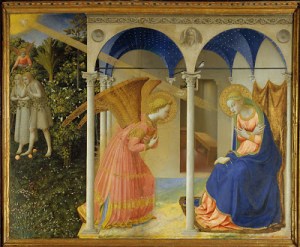
 A part of our Catholic tradition includes appearances (apparitions) of the Blessed Virgin Mother, most famous of the many are Our Lady of Lourdes, Our Lady of Fátima, and Our Lady of Guadalupe, to name a few. These appearances can be approved as “worthy of belief” by the local bishop or by the Vatican. The Church does not require belief in any apparition or other private revelation. However, she does exercise her maternal judgment for the protection of the faithful in declaring some apparitions to be inauthentic, others to be “worthy of belief.” Investigations into alleged apparitions are rigorous, and not done lightly. Continue reading
Marian Apparitions
Reply
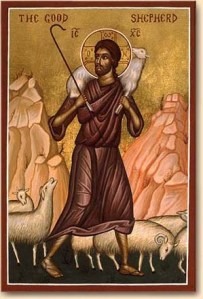 “My sheep hear my voice; I know them, and they follow me. (John 10:27)

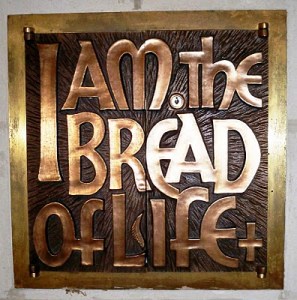 51 I am the living bread that came down from heaven; whoever eats this bread will live forever; and the bread that I will give is my flesh for the life of the world.” 52 The Jews quarreled among themselves, saying, “How can this man give us (his) flesh to eat?” 53 Jesus said to them, “Amen, amen, I say to you, unless you eat the flesh of the Son of Man and drink his blood, you do not have life within you. 54 Whoever eats my flesh and drinks my blood has eternal life, and I will raise him on the last day. 55 For my flesh is true food, and my blood is true drink. 56 Whoever eats my flesh and drinks my blood remains in me and I in him. 57 Just as the living Father sent me and I have life because of the Father, so also the one who feeds on me will have life because of me. 58 This is the bread that came down from heaven. Unlike your ancestors who ate and still died, whoever eats this bread will live forever.” (John 6:51-58)

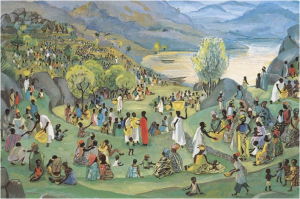 24 When the crowd saw that neither Jesus nor his disciples were there, they themselves got into boats and came to Capernaum looking for Jesus. 25 And when they found him across the sea they said to him, “Rabbi, when did you get here?” 26 Jesus answered them and said, “Amen, amen, I say to you, you are looking for me not because you saw signs but because you ate the loaves and were filled.
 friarmusings