
Everyone remembers 9/11 differently. 93% of Americans over the age of 30 remember where they were and what they were doing when they received the news. For Americans 25 and under, the number drops of 42%. For Americans 20 years and younger, they were not yet born or not old enough to have a memory. Nonetheless 9/11 affected the nation. Want to know more? Read the Pew Research Center’s Two Decades Later, the Enduring Legacy of 9/11. Here and at your parish may we all actively remember and pray with and for 9/11 family members, survivors, and rescue and recovery workers for their service and healing.
Continue readingTwo decades later
1
 The “blind leading the blind” is an idiom that can be traced back to the Upanishads (late Vedic Sanskrit texts of Hindu philosophy), which were written around 800 BCE:
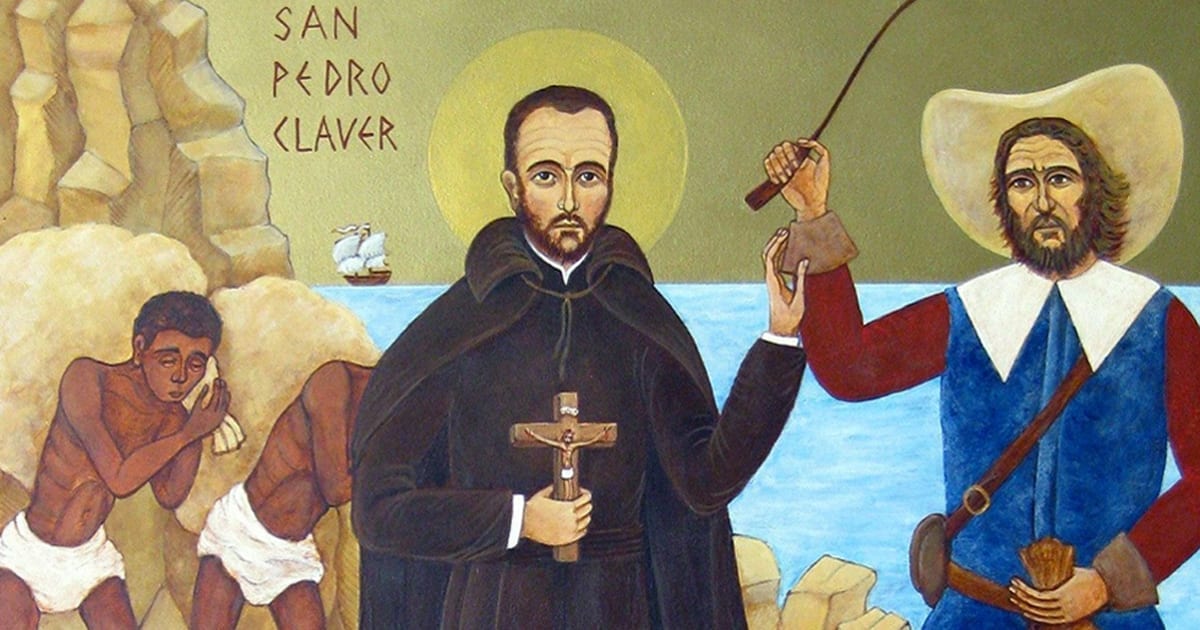 Born on June 26, 1580, in Catalonia, Spain, St. Claver studied at the University of Barcelona and joined the Jesuits at age 20 in 1602. While studying philosophy at Majorca in 1605, St. Claver developed a friendship with Jesuit Brother Alphonsus Rodriguez. Br. Rodriguez, who spent his days doing menial work as a doorkeeper, encouraged St. Claver to become a missionary in the Spanish colonies in America. Young Peter Claver left his homeland forever in 1610 to be a missionary in the colonies of the New World. He sailed into Cartagena, a rich port city washed by the Caribbean. He was ordained there in 1615.
 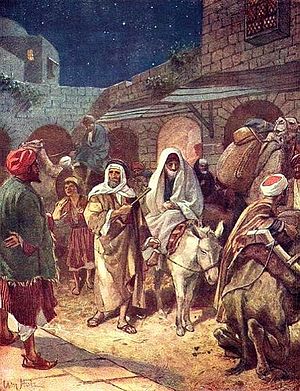 Today, the Catholic Church celebrates
  Our
Our  Many Catholics are aware of Pope Francis’ encyclical Laudato Si (Praise Be to You) which carries the subtitle “on care for our common home.” In this encyclical and in other documents the Pope critiques capitalism, not as an economic theory in itself, but in its divorce from the human condition and Creation. In Laudato Si’, Pope Francis wrote: “The economy accepts every advance in technology with a view to profit, without concern for its potentially negative impact on human beings. Finance overwhelms the real economy…Some circles maintain that current economics and technology will solve all environmental problems.” (#109).
 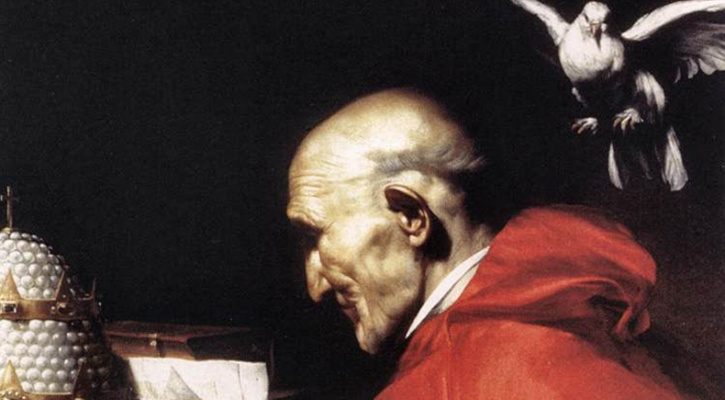 Today is the
 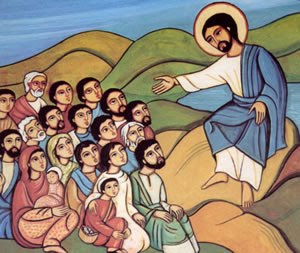 Jesus said to his disciples: “In praying, do not babble like the pagans, who think that they will be heard because of their many words. Do not be like them. Your Father knows what you need before you ask him” (Mark 6:7-8) This is the verse that comes just before the Markan version of the Lord’s Prayer/Our Father. Depending o the translation one is viewing you will read references to “babbling” in prayer, vain repetitions, empty phrases, needless words – all referring to the pattern of prayer used by the pagans of Jesus’ time.
  Today’s
  In yesterday’s homily, I noted that God’s Word is always related to human need. If a person is dying of cancer, the gospel is God’s strong word of resurrection. If a person is permeated with guilt, the gospel is God’s assurance of forgiveness. If people experience extreme suffering, God’s word is our refuge and strength.
 friarmusings