
 Today is the memorial for St. John Chrysostom, a bishop and doctor of the Church. He lived in the late 4th and early 5th centuries and his held as one of the Three Holy Hierarchs of the Byzantine Church along with Basil the Great and Gregory of Nazianzus. John garnered the moniker Chrysostom (“golden tongue”) because of his oratory skills. John also be came quite popular because of his eloquence, his insights and passion in his public speaking at the Golden Church, Antioch’s cathedral. Especially popular was his insightful expositions of Bible passages and moral teaching. He emphasized charitable giving and was concerned with the spiritual and temporal needs of the poor. He spoke against abuse of wealth and personal property: Continue reading
The Memorial of St. John Chrysostom
Reply
 This coming Sunday is the 2th Sunday of Ordinary Time with the Gospel taken from
 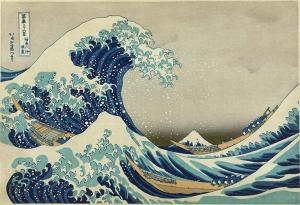 There has always been ocean lore that proclaims rogue, monster waves rising 80, 90, or 100 feet high or more. Of course, these are not eye-witness accounts. Men in wooden ships don’t survive such an encounter. There was the story of the Alaskan Tlingit Indian woman who returned from berry picking to find her entire village disappeared. The debris field evidence on the shoreline indicated that the ocean had risen up and fell upon the village. The wave would have been more than 100 feet high to cause the damage. Experts of the day dismissed stories about such waves because they seemingly violated basic principles of ocean physics.
  The “blind leading the blind” is an idiom that can be traced back to the Upanishads (late Vedic Sanskrit texts of Hindu philosophy), which were written around 800 BCE:
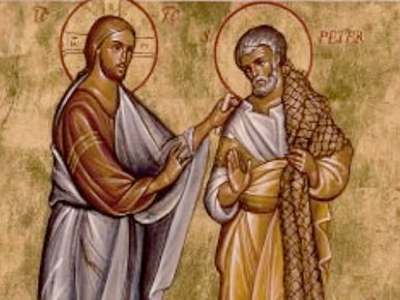 He summoned the crowd with his disciples and said to them, “Whoever wishes to come after me must deny himself, take up his cross, and follow me. 35 For whoever wishes to save his life will lose it, but whoever loses his life for my sake and that of the gospel will save it. (Mark 7:34-35)
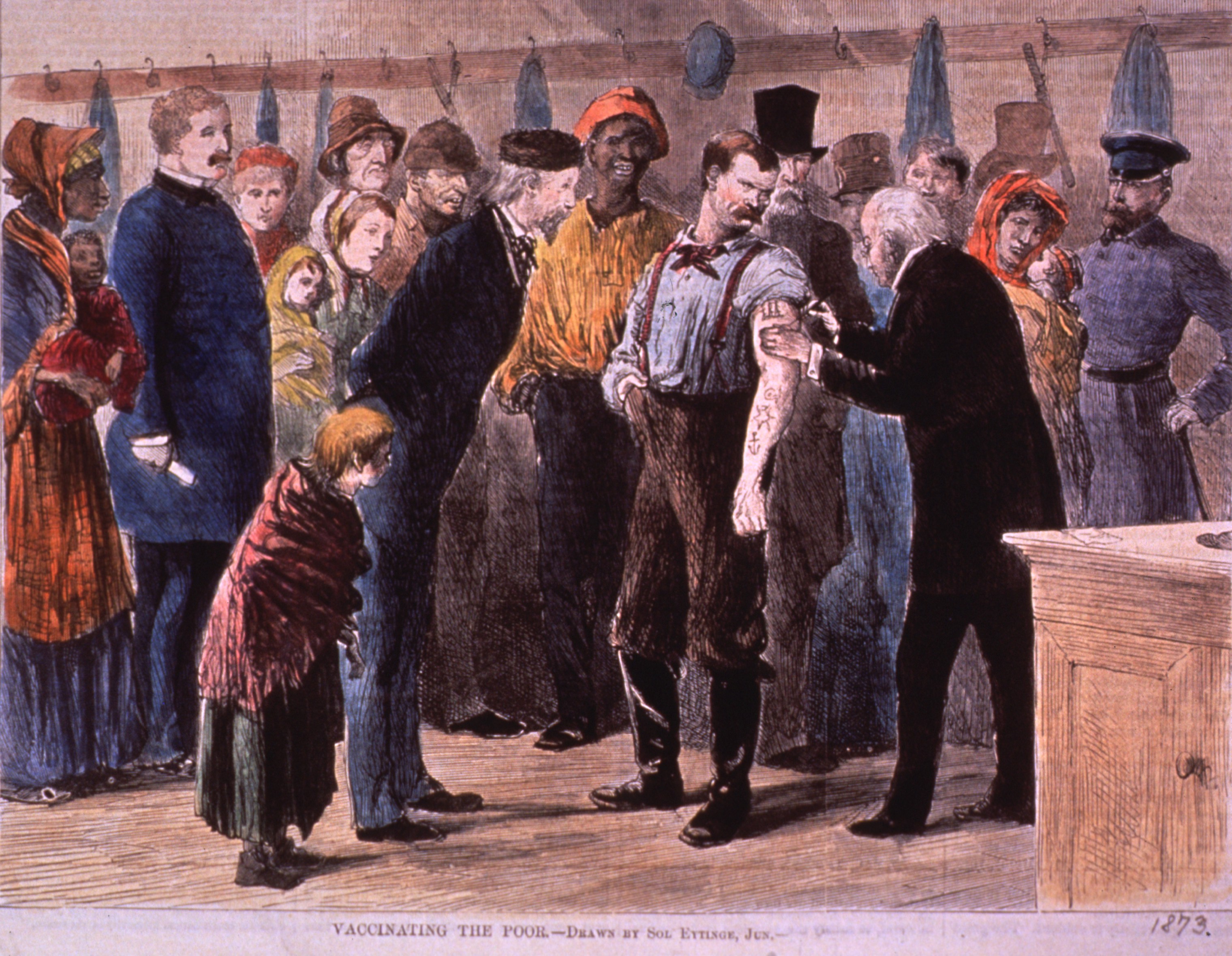 Maggie Astor of the New York Times posted an interesting piece – which was interesting all on its own, but is perhaps more interesting given President Biden’s announced covid-19 mandates and actions – and the inevitable push back against them. Ms. Astor’s point is essentially that we as a nation…. “been there, done that.” I would have linked to the article, but that was not feasible – and so I present her work.
