
 Next Sunday is the celebration of the 19th Sunday in Ordinary Time. You can read a complete commentary on the Gospel here.
22 Then he made the disciples get into the boat and precede him to the other side, while he dismissed the crowds. 23 After doing so, he went up on the mountain by himself to pray. When it was evening he was there alone. 24 Meanwhile the boat, already a few miles offshore, was being tossed about by the waves, for the wind was against it. Continue reading

 He simply has an different viewpoint and perspective on things – and invites you to shares his own musings. Recently he published an article for Relevant Magazine: “
 Always be ready to give an explanation to anyone who asks you for a reason for your hope but do it with gentleness and reverence.” (1 Peter 3:15-16)
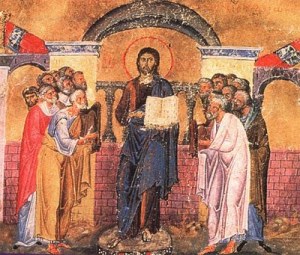 Over the years I have often been asked about a passage in Matthew’s Gospel: “So be perfect,
 Today is the Feast of St. Martha and the day’s celebration offers the celebrant
  In today’s
 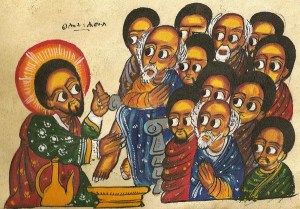 Next Sunday is the celebration of the
 Deacon Ray is preaching this weekend at the Mass I am celebrating, so here is one from a past 17th Sunday, Year A.
 friarmusings