
 So I send you… an excursus. “Peace be with you. As the Father has sent me, so I send you.” 22 And when he had said this, he breathed on them and said to them, “Receive the holy Spirit. 23 Whose sins you forgive are forgiven them, and whose sins you retain are retained.”
How one already understands and practices their faith forms parts of lens with which one understands these three simple verses. When I quiz Catholics about who is meant with the plural “you” in these verses, the most common answer is “the apostles.” Behind the answer lies the Catholic church ecclesiology (understanding of what it means to be church) and the sacramental understanding of confession/reconciliation. Those in the Protestant and Reformed churches would not agree and (in general) understand the “you” to be all disciples. Continue reading
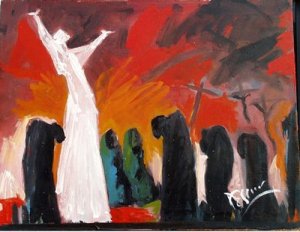 As a liturgical season, Lent is rather straightforward. It is kinda’ easy to write about. There is Ash Wednesday to dramatically mark its beginning, and we all know we are moving relentlessly towards Easter. We count the days even as we mark Lent’s beginning. The Ashes make a visible mark upon us, reminding us that we are dust and to dust we shall return – but that is not the end of the story. We are reminded to repent and believe in the Gospel – but that is not the end goal. We are encouraged to pray, fast, and give alms – but those practices are meant to make room in our lives for God that we too may rise to the newness of life at Eastertide.
 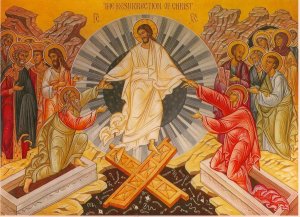 There were so many times in Jesus’ ministry that he told his disciples that on the third day he would be raised from death. Today is the third day. The day when the world changed forever. When His best overcame our worst. When He broke the chains of death and now we are free.
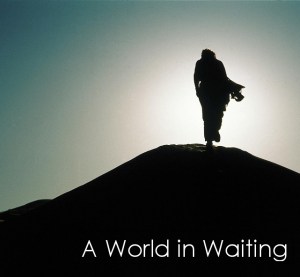 Good Friday has passed and now it is morning on the second day. And we wait, even as we are busy about things. This morning last vestiges of the sparseness of Lent and Good Friday will give way to the many hands readying our church for the Light of Christ to enter the main doors. And yet we wait. The Elect and Candidates of RCIA, along with their sponsors are waiting. They too wait. All filled with Hope.
 We wait between the two earthquakes – the ones announcing the death of Jesus and his Resurrection
 We say that. We think that. About others and not often charitably. Even about ourselves as a reminder and call to be good. It is the mark of Christ that a person can live with the focus on others, making it all about them because the love of God compels us.
 friarmusings