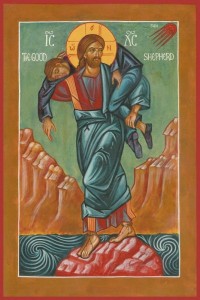
 Amen, amen, I say to you, whoever does not enter a sheepfold through the gate but climbs over elsewhere is a thief and a robber. 2 But whoever enters through the gate is the shepherd of the sheep. 3 The gatekeeper opens it for him, and the sheep hear his voice, as he calls his own sheep by name and leads them out. 4 When he has driven out all his own, he walks ahead of them, and the sheep follow him, because they recognize his voice. 5 But they will not follow a stranger; they will run away from him, because they do not recognize the voice of strangers.” 6 Although Jesus used this figure of speech, they did not realize what he was trying to tell them. 7 So Jesus said again, “Amen, amen, I say to you, I am the gate for the sheep. 8 All who came (before me) are thieves and robbers, but the sheep did not listen to them. 9 I am the gate. Whoever enters through me will be saved, and will come in and go out and find pasture. 10 A thief comes only to steal and slaughter and destroy; I came so that they might have life and have it more abundantly.
Commentary Moloney [301] outlines this narrative by the following schema:
- 9:39-41: Introduction. Jesus is questioned by the Pharisees (among whom there is a division) and he condemns them for their blind ignorance
- 10:1-6: Jesus tells a parable about entering the sheepfold and the Pharisees cannot understand. This section is marked with the unique, “Amen, Amen…”
- 10:7-13: Jesus contrasts himself, the door and the Good Shepherd, with others who are thieves, robbers and hirelings. This section is also introduced with “Amen, Amen…”
- 10:14-18: Jesus the Good Shepherd, out of union with the Father, lays down his life for the sheep
- 10:19-21: Conclusion: A division among “the Jews.”
Continue reading →

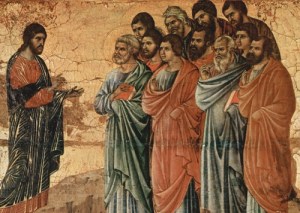 2 In my Father’s house there are many dwelling places. If there were not, would I have told you that I am going to prepare a place for you? 3 And if I go and prepare a place for you, I will come back again and take you to myself, so that where I am you also may be. 4
 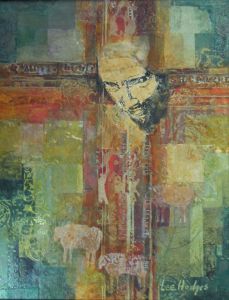 “I came so that they might have life and have it more abundantly.” So, what do you make of the verse? What generally stands out in the hearing and imagination is “the abundant life.” What does it look like? If we don’t have an idea of what it looks like, how will we know when we have it?
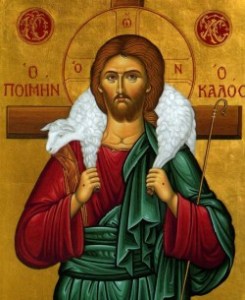 A Theological Summary Verses 17-18 form the conclusion to the discourse. In these verses, the shepherd metaphor is abandoned completely and Jesus speaks directly about his death and relationship with God. These verses focus on three theological themes that are essential to understanding the death of Jesus in John.
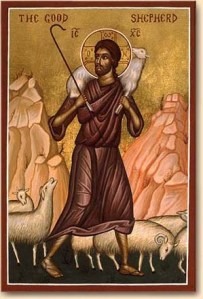 So Jesus said again… It is evident to Jesus that the disciples do not understand, so Jesus offers another explanation. Commentaries have long asked how we are to understand the relationship between vv.1-6 and vv.7-18. Are the latter verses making an allegorical explanation to the already presented parable? The problem with such a view is that characters and imagery has changed. In any case, few people seem to believe that if vv.7-18 are a clarifying or additional explanation, it likely was not any more effective.

 friarmusings