
 Next Sunday is the 2nd Sunday of Advent in Year B. You can read a full commentary on the gospel reading here.
1The beginning of the gospel of Jesus Christ (the Son of God). 2 As it is written in Isaiah the prophet: “Behold, I am sending my messenger ahead of you; he will prepare your way. 3 A voice of one crying out in the desert: ‘Prepare the way of the Lord, make straight his paths.’” 4 John (the) Baptist appeared in the desert proclaiming a baptism of repentance for the forgiveness of sins. 5 People of the whole Judean countryside and all the inhabitants of Jerusalem were going out to him and were being baptized by him in the Jordan River as they acknowledged their sins. 6 John was clothed in camel’s hair, with a leather belt around his waist. He fed on locusts and wild honey. 7 And this is what he proclaimed: “One mightier than I is coming after me. I am not worthy to stoop and loosen the thongs of his sandals. 8 I have baptized you with water; he will baptize you with the Holy Spirit.” (Mark 1:1-8)
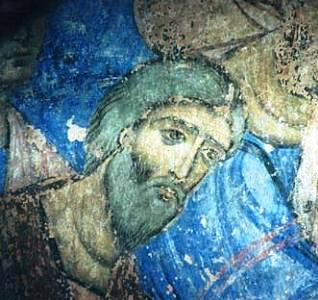
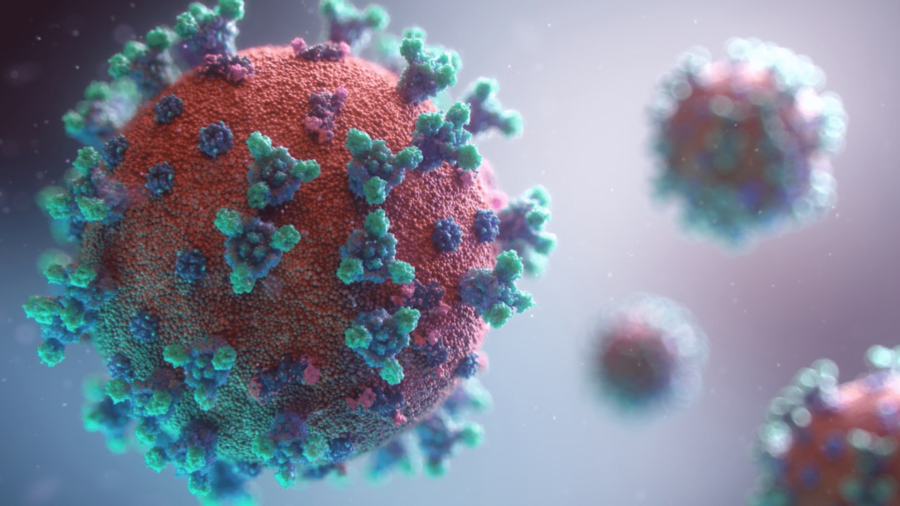
 As we enter the Season of Advent, it strikes me that “Hope” and “waiting” are even more a part of our lives in these times. In the dark hours before dawn, I muse about waiting and hope in the season of Advent, I was pondering what is higher on my list – waiting for Christmas or waiting for a coronavirus vaccine, herd immunity and the return to normalcy. If I am honest, it is the latter. It feels like we are living in the time of Noah. We are not just waiting for the flood waters of illness to reside, but we are optimistically waiting now that the vaccines are on the horizon.
 Earlier today I posted “
 I am grateful for a day in which we, as a people, pause to give thanks. And who do we have to thank for this holiday? Your answer is likely “The Pilgrims.” You would not be wrong, but then not completely correct, either. Certainly, Thanksgiving and the religious response of giving thanks to God is as old as time. When one considers enduring cultures, one always finds men and women working out their relationship to God. There is almost always a fourfold purpose to our acts of worship: adoration, petition, atonement, thanksgiving. Such worship is part and parcel of life. And yet, there is still a very human need to specially celebrate and offer thanksgiving on key occasions and anniversaries. Since medieval times, we have very detailed records of celebrations marking the end of an epidemic, liberation from sure and certain doom, the signing of a peace treaty, and more.
  The
The 
 friarmusings