
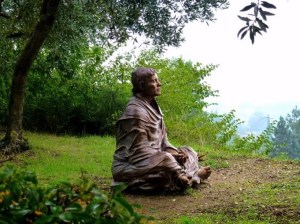
 There are moments in this life when I wished I processed more insight about what was happening in the moment that is now. They are often moments caught up in the midst and whirl of things; moments when I look back and wished I had paused and considered what was stirring within. Attentive to the now.
Lent is a season when we are called to take time and pray for the wisdom to be attentive to the moments leading up to the celebration on Easter. But what about the Easter season? Those 50 days from Easter Sunday to Pentecost have come and are almost gone. There is a lot whirling around our lives that make the quiet of Lent seem long ago and far away. Continue reading
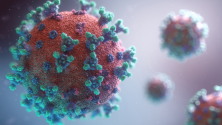 Mask, no mask. Social distancing: 3 feet, 6 feet, more? Outdoors, indoors, ventilated, air exchange, airborne transmission… and a whole range of factors to which we have become accustomed. If you are curious about the what, when, where and other interesting factors about the medical and scientific response to Covid-19, take a moment to read what I found to be a
  In our previous
  Salvador Dali’s painting “Ascension” is certainly one of the most provocative paintings depicting the Ascension of Our Lord Jesus. The symbolic elements are many, the speculations even more, and the agreement on meaning is still up for grabs. But I sometimes tend to focus on some of the more realistic elements cast among the surrealistic things. While the art experts discuss the finer points of Dali — his life, faith, and his work, I am fascinated by perspective, as well as the hands and feet. The former as though clutching at something; the latter soiled and showing the wear and tear of life on earth.
 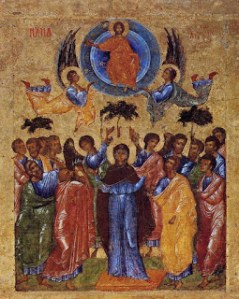 The Ascension of the Lord is a great celebration of the Church. It commemorates the bodily ascension of Jesus into heaven. According to St. Luke it occurred 40 days after the Resurrection (Acts 1:3). It is a feast of great antiquity with liturgies and art of the 4th century already addressing it as a norm of the Church. In the Eastern Church this feast is known in Greek as Analepsis, the “taking up,” and also as the Episozomene, the “salvation from on high,” indicating that by ascending into his glory Christ completed the work of our redemption.
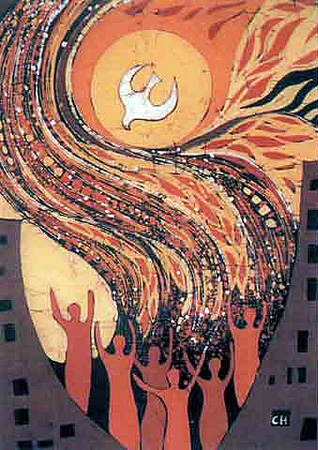 The gospel for
  It is a small part of
 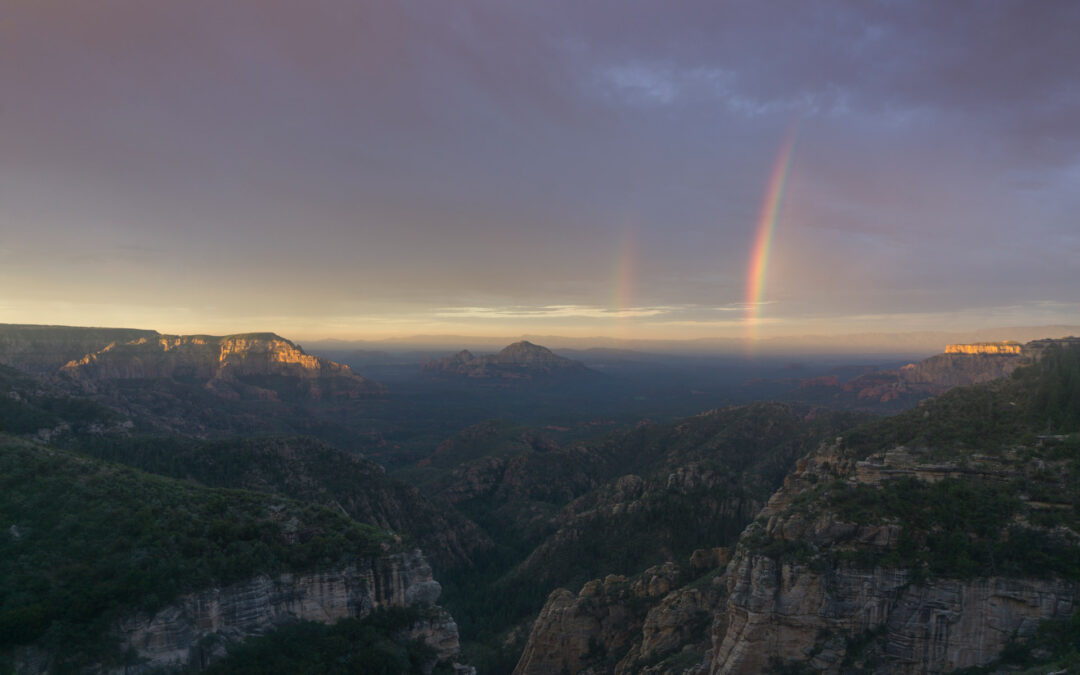 Google Maps apparently is everywhere these days. I just finished searching on the app for places I knew from “back in the day.” The area around Nairobi, Mombasa, Kisii Town, Nakuru, and other places were well mapped; driving directions are available. Things have changed a lot. Back then my inquiry of how to get some place was often met with the less than precise “the other side” accompanied by a vague wave of the hand in a direction that was not always discernible to me. Especially when I was upcountry in the west of Kenya, there were times I felt like I was near the edge of the world.
  In today’s
  friarmusings