Francis finished his military adventures and time as a prisoner of war in early 1205. It was during the latter part of 1205 into 1206 that Francis chose to “leave the world.” In subsequent years , Francis’ model of following Christ began to attract other men to join him in the emerging way of life – even as the “way of life” was being discovered by Francis himself. Francis modeled the life, prayed with the brothers, exhorted them from time to time, and slowly the life began to take shape.
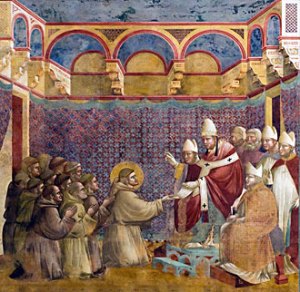 The basic shape of the movement was not all that unique in Francis’ day. There were many other penitential and mendicant movements in the beginning of the 13th century in western Europe. – some scholars tallying 130 others. Interestingly, only one of them exists today: the Franciscan. Why? Most scholars hold that it was because of Francis’ insistence on being “Catholic” and formally part of the Catholic Church. There are several theories as to the reason for that insistence. Like most things it is a complex reason, but likely primary among the reasons is Francis’ love of the Eucharist. But whatever the reasons, it is no surprise that in 1209 Francis and some of his brothers journeyed to Rome to seek an audience in a consistory with Pope Innocent III in order to receive formal recognition of his proposed way of life. Continue reading →


 To date the posts about Kenya have been about my time there. One regular reader inquired how I decided to go on mission, what was the discernment process, and other questions that pertain to “before Kenya.” In thinking about how to address the question it seems to me that the answer resides partly in the context of the life lived to that point in time, memories that persist with a certain clarity, and some measure of serendipity – at last in my case anyway.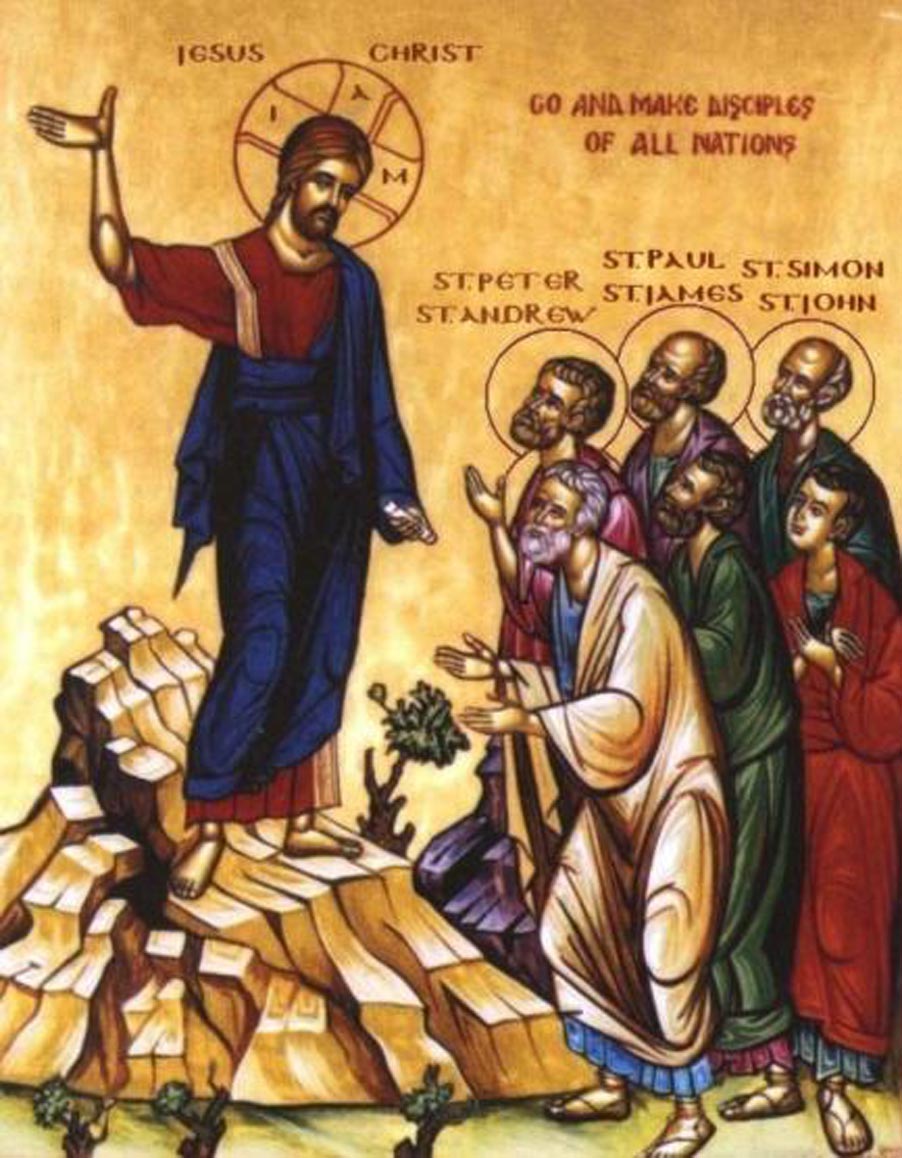
 We are coming up on Memorial Day weekend – a traditional start of summer – and the advent of backyard grilling, baseball games, picnics, and all manner of gatherings…. and another season in which to perfect your preparation of the hot dog. So… for your reading enjoyment: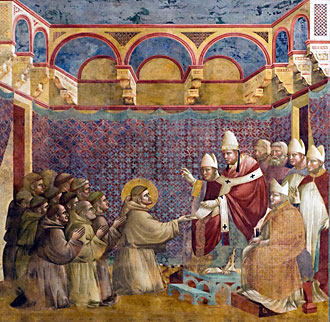
 I have been thinking about manners and the cultural norms of what is considered polite and orderly. The topic has come to the fore of thought as I recall stories and events from Kenya. I found the norms of Kenya very familiar to the ones I knew growing up. I knew many missionaries in Kenya that were surprised that they were thought to be rude – something that was foreign to everything they perceived about themself. But then cross-cultural living often had that effect.
 In our Pentecost Sunday
  In case you were wondering, yes, this is my day off – hence the proliferation of posts. This one was inspired because this morning morning at a store, I saw that they offer a 10% discount to veterans. As it happens, I am one, and my Virginia driver’s license displays “VETERAN” in the upper right hand corner. I inquired, ready to show my license, but the discount was simply applied without question. Maybe that makes sense. I hope people would not lie about service to their country for a small discount.
  As you might imagine, during my time as a Catholic priest, many folks have come to talk with me while they are in the midst of suffering. Suffering from a cataclysmic life event, a prolong encounter with illness, betrayal, a life that is heading in the wrong direction, the weight of dealing with a situation or with people – and many more topics. I rarely have solutions and even if I had a suggestion, that’s not why people come to talk. There is a very human need to say things out loud in a place they are sure that someone will listen. As best I can, I try to listen. I pray with them. I suggest they begin to take a look and see where they might find God in milieu of life that swirls around them. And sometimes I will inquire if they have read the Book if Job.
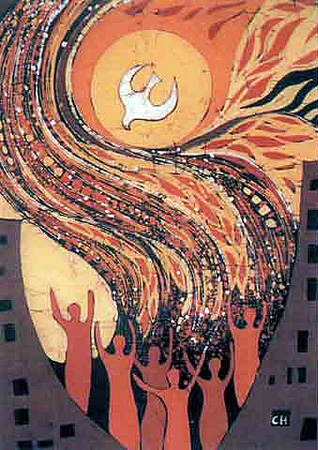 In our Pentecost Sunday gospel, as noted in yesterday’s post, to the disciples gathered in the Upper Room on that first Easter evening Jesus first words were: “Peace be with you.” His second words were: “As the Father has sent me, so I send you.” His thirds words were “Receive the Holy Spirit.” What had been promised in many ways in John 13-17, is now fulfilled in the giving of the Spirit. It also marks a turning point in salvation history as a fulfillment of the prophets, not just that the Messiah would come, but that the Messiah would begin the eschaton, the final era when the Kingdom of God would become manifest – and the future become present.
