

 You know how it is. Someone begins a conversation with you by saying, “Now…. I don’t want you to worry.” I’m sorry, but they are only half way through the sentence and I am already worrying. They haven’t even gotten to the content, the topic, or any information and I am already asking “why, what, when, how, who.” I know they don’t want me to worry, but, sorry, that train has already left the station.
“Do not let your hearts be troubled.” Seriously? It was only six verses ago, just prior to the opening of today’s gospel when Jesus said, “My children, I will be with you only a little while longer…where I go you cannot come.” (John 13:33) The disciples’ hearts are troubled and Jesus’ words of comfort are not hitting their intended mark. Continue reading
 Traditionally Mother’s Day is the time when children want to give something thoughtful to their mothers for all that moms do for us. If you enter the search “thoughtful Mother’s Day gifts,” apparently, there are almost 1.4 million ideas out there, according to a Google search. Who knew? Most are Web sites that are essentially brokers for products that you can purchase online. One Web site was promoting that their list was superior because they had surveyed men. Hmmmm? Of course, the first line of the Web page was announcing the date of Mother’s Day this year. After all, the date varies from year to year, right? True, but I wonder if they knew it is always the second Sunday in May. The second line was a “panic button” for a “specially selected gift for the man who needs overnight delivery.” Hmmmm?
 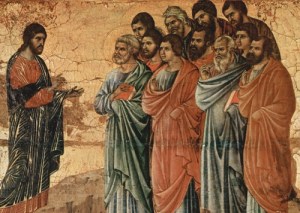 7 If you know me, then you will also know my Father. From now on you do know him and have seen him.” 8 Philip said to him, “Master, show us the Father, and that will be enough for us.” 9 Jesus said to him, “Have I been with you for so long a time and you still do not know me, Philip? Whoever has seen me has seen the Father. How can you say, ‘Show us the Father’? 10 Do you not believe that I am in the Father and the Father is in me? The words that I speak to you I do not speak on my own. The Father who dwells in me is doing his works. 11 Believe me that I am in the Father and the Father is in me, or else, believe because of the works themselves. 12 Amen, amen, I say to you, whoever believes in me will do the works that I do, and will do greater ones than these, because I am going to the Father.
 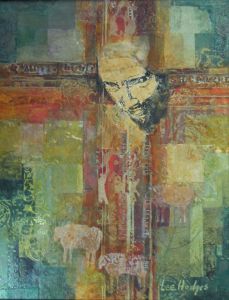 “I came so that they might have life and have it more abundantly.” So, what do you make of the verse? What generally stands out in the hearing and imagination is “the abundant life.” What does it look like? If we don’t have an idea of what it looks like, how will we know when we have it?
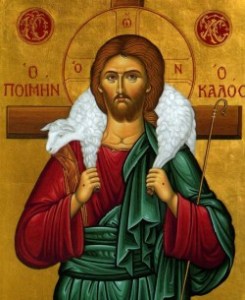 A Theological Summary Verses 17-18 form the conclusion to the discourse. In these verses, the shepherd metaphor is abandoned completely and Jesus speaks directly about his death and relationship with God. These verses focus on three theological themes that are essential to understanding the death of Jesus in John.
