

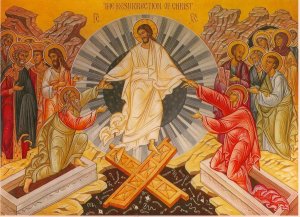
 “Teacher, Moses wrote for us, ‘If someone’s brother dies leaving a wife but no child, his brother must take the wife and raise up descendants for his brother.’ 29 Now there were seven brothers; the first married a woman but died childless. 30 Then the second 31 and the third married her, and likewise all the seven died childless. 32 Finally the woman also died. 33 Now at the resurrection whose wife will that woman be? For all seven had been married to her.”
The Sadducees are attempting to destroy Jesus’ credibility by raising the question of who interprets Moses faithfully, as they seek to demonstrate the alleged unreasonableness of faith in the resurrection of the dead, which Jesus shares. The starting point of the question concerns levirate marriage. Continue reading
 Some time you just have an itch you can’t scratch. It happens. We have gone along in life and accomplished some goals and objectives. Maybe we are the “chief” of this or that, and like Zacchaeus are wealthy. But there is something missing, something slightly off – we thought it would different after we accomplished goals. It is the thought we just can’t put our finger on. It is the itch we can’t scratch.
 In our gospel story, the tax collector went home justified. Sure, he has been extorting people, shaking them down for the Roman overlords and some profit for himself. Sure, he is considered a traitor and an outcast from Jewish life – someone whose life is “breaking bad.” But he has reached a moment of conversion, right? He is about to get right with God; get justified. Here is the one moment, a moment when all the trappings of life are torn away, he finally sees himself in humble relationship to God: “O God, be merciful to me a sinner.” The tax collector went home justified.
