
 On Holy Thursday it is tradition and part of the evening’s liturgy to celebrate the washing of feet – known as the Mandatum. The name comes from John 13:34 (Latin,Vulgate) – “Mandatum novum do vobis ut diligatis invicem sicut dilexi vos.” “I give you a new commandment, that you love one another as I have loved you.”
Throughout the Christian era the meaning of the foot washing has been understood as a symbol of the self-sacrificing and humble service expected of disciples. But if one attends to the text, there are two verses that should give one pause. In v.8 Jesus clearly tells Peter “Unless I wash [nipsēs] you, you will have no inheritance with me.” In addition, there is v.10: “Whoever has bathed [leloumenos] has no need except to have his feet washed [nipsasthai], for he is clean all over…”

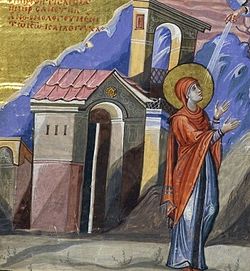 Here is the midst of Holy Week, we will watch as Jesus, our Lord and Savior, God of All, experiences weakness and powerlessness, submitting to his arrest, trial, scourging and crucifixion. We have all felt some measure of powerlessness, moments of isolation and hardship. Consider the story of Hannah, mother of Samuel.
 As we move closer to the events of Holy Thursday and Good Friday, a cloud of darkness this way comes. For the past week of so we have been hearing about members of civic and religious leadership plotting to kill Jesus. The dark clouds have been on the horizon for some time. In
 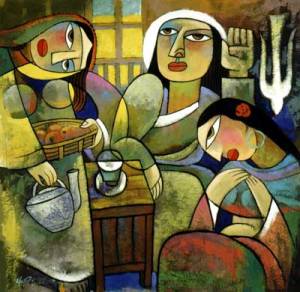 Today’s
  From the good folks at Merriam Webster – the “Word of the Day” – diffident. Probably not a word that is part of my everyday usage, but one that curiously arrived on the Monday of Holy Week. In modern usage, the word “diffident” means: (1) hesitant in acting or speaking through lack of self-confidence or (2) reserved, unassertive. But it is the now-archaic meaning of the word that also interests me: distrustful.
 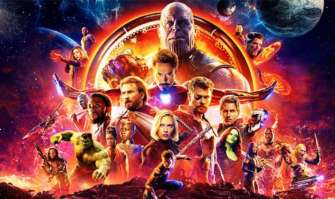 Words, catch phrases, and other strings of words, in the right context, can tell entire stories. In the United States, say the words “Oh say can you see….” and a whole story of this country’s struggle for freedom from European powers comes to mind. Such are the power of words and stories. If the title of this post made sense to you, then you are clearly a fan of the Marvel Cinematic Universe (MCU) – and especially of the movies Avengers: Infinity War and Avengers: Endgame. Not to worry, I won’t attempt to explain the MCU, all its characters, and the many threads and storylines. But if you are interested in an overview, start
  The
The 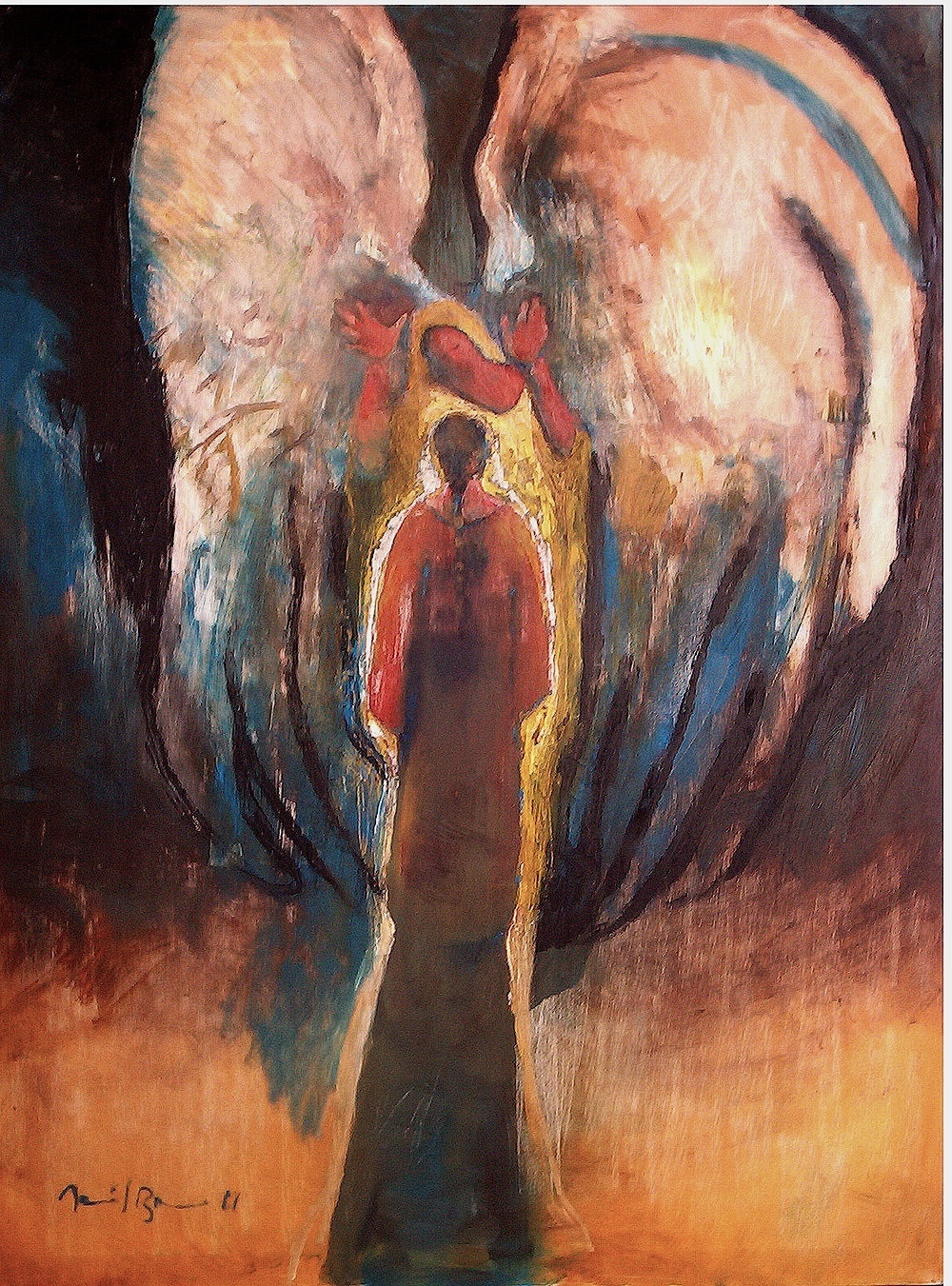
 friarmusings