
 Forgiveness is one of those fundamental lessons we try to teach our kids from an early age: when siblings bicker or hurt each other, or if friends break a toy. And at the same time, we should ever be aware that we have not exactly mastered the art of forgiveness. The ability to forgive is a learning experience that often takes a lifetime. It’s not easy, but perhaps it’s not meant to be easy. Showing compassion and understanding in a world through which we cautiously pass takes an open heart instead of the guarded one we often carry. Continue reading
A lifetime of practice
Reply
 In the
  It has been about a year since “social distancing” became an all too familiar expression. No doubt we can all look back on the year past and collect our own anecdotes. This post is from a year ago. It is eerily accurate and still funny. Enjoy.
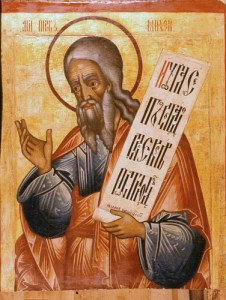 The prophet Micah preached to Jerusalem, but he was not from the city. He was an outsider from the farming village of Moresheth in the Judean foothills. You can imagine how the people, priests, and temple prophets received his prophecies of death, doom, pestilence and punishment. I am sure they would have liked to cast him away, tossed outside the city walls.
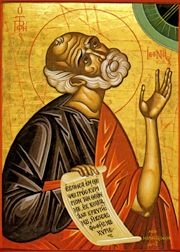 “10 When God saw by their actions how they turned from their evil way, he repented of the evil that he had threatened to do to them; he did not carry it out.” (Jonah 3:10) Great! The Ninevites repented, God relented, and Jonah’s prophetic mission is complete. As mentioned, that would have been an “they all lived happily ever after” ending. But there is another chapter in the story whose first verse gives us an idea that the story’s ending is anything but happy.
 This is part two of my day-off-curiosity about voting. As noted in the
  “Forty days more and Nineveh shall be destroyed.” (Jonah 3:4) I think it noteworthy that Jonah does not announce the reason for the destruction or by whose hand, what the Ninevites can do to avert disaster, only that there is a set time of 40 days. What was the reaction of the Ninevites to Jonah’s proclamation? “When the people of Nineveh believed God; they proclaimed a fast and all of them, great and small, put on sackcloth.” (v.5) It does not seem as though it took a whole lot to get Nineveh to repent.
 friarmusings