 Early in the morning of January 7th, at the conclusion of the congressional joint session that affirmed the electoral college results, the Senate chaplain, Barry C. Black (a Seventh-day Adventist minister and retired Navy rear admiral), closed the session with prayer
Lord of our lives and sovereign of our beloved nation, we deplore the desecration of the United States Capitol building, the shedding of innocent blood, the loss of life, and the quagmire of dysfunction that threaten our democracy.
These tragedies have reminded us that words matter and that the power of life and death is in the tongue. We have been warned that eternal vigilance continues to be freedom’s price.
Lord, you have helped us remember that we need to see in each other a common humanity that reflects your image.
You have strengthened our resolve to protect and defend the Constitution of the United States against all enemies domestic as well as foreign.
Use us to bring healing and unity to our hurting and divided nation and world. Thank you for what you have blessed our lawmakers to accomplish in spite of threats to liberty.
Bless and keep us. Drive far from us all wrong desires, incline our hearts to do your will and guide our feet on the path of peace. And God bless America. We pray in your sovereign name. Amen.

 The Psalm from today’s Mass asks if we are aware of the foundation of Hope in our lives.
 “I pledge allegiance to the Flag of the United States of America and to the Republic for which it stands, one nation, indivisible, with liberty and justice for all.” Familiar words from the
 At the bedside of an actively dying person with their family and friends gathered in the room, one of the points I often make is the share the stories of their loved ones life. The stories that make you laugh, long, love, roll-your-eyes and all the ones in between. There is wisdom and wonder if the stories told. And everyone has a lifetime of stories that should not be lost.
 Today’s
 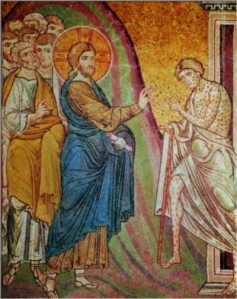 Moved with pity, he stretched out his hand, touched the leper, and said to him, “I do will it. Be made clean.” The leprosy left him immediately, and he was made clean. Then, warning him sternly, he dismissed him at once. Then he said to him, “See that you tell no one anything, but go, show yourself to the priest and offer for your cleansing what Moses prescribed; that will be proof for them.” (Mark 1:41-44; from today’s
  friarmusings