
 In today’s gospel we are witness to Jesus’ encounter with the authorities and their question about the payment of taxes. Certainly the question of taxes is as much about authority as any topic. And there is perhaps no thorny or inflammatory topic of conversation than taxes. One may easily assume it is with malice that Jesus is asked about the census tax payable to Rome. The empire exacted three types of taxes: a ground tax, which required that ten per cent of all grain and twenty per cent of all oil and wine production be given to Rome; an income tax, equivalent to one per cent of a person’s income; and a poll/census tax, which amounted to a denarius or a full day’s wage. To add insult to injury, the tax could be paid only in Roman coin, most of which contained an image and inscription considered blasphemous by many Jews: Tiberius Caesar Divi Augusti Filius Augustus Pontifex Maximus (“Tiberius Caesar, august son of the divine Augustus, high priest”). Continue reading
Taxes and Faith
Reply
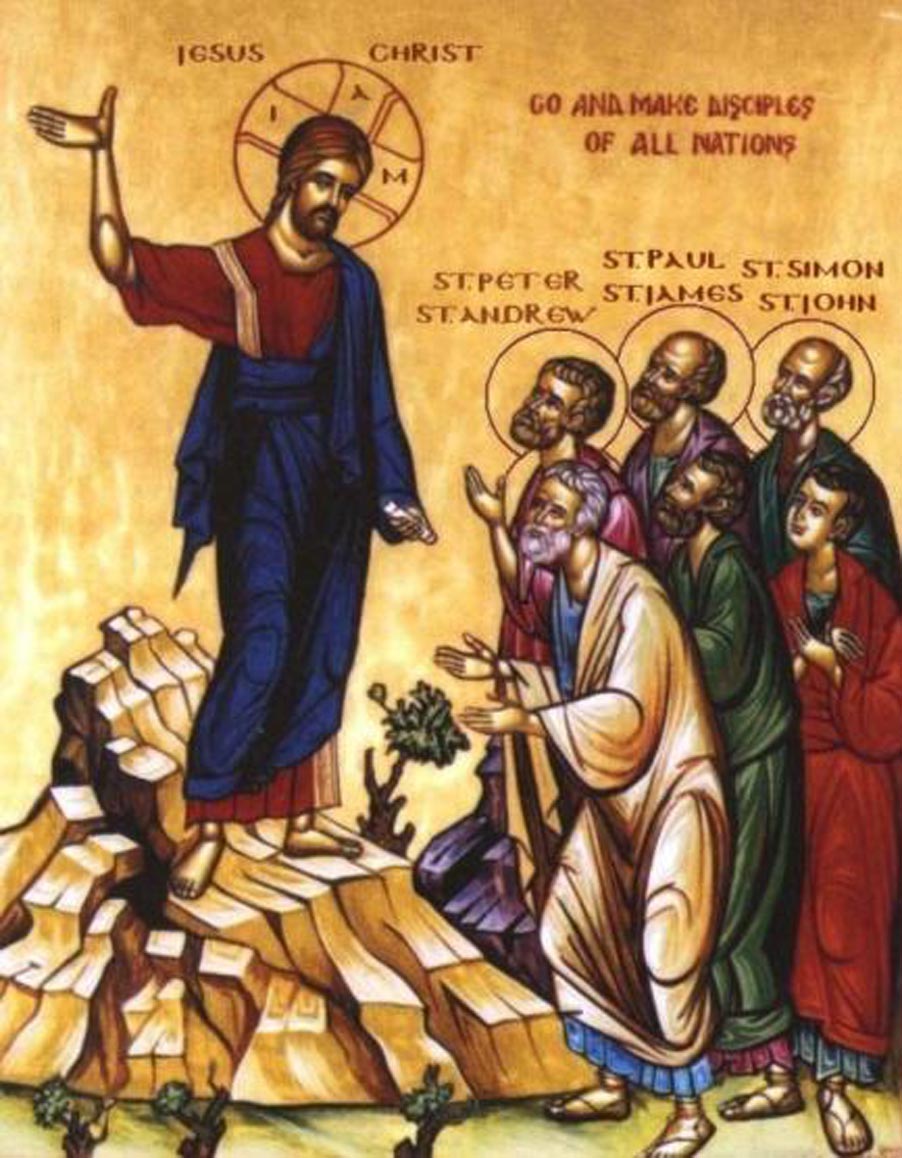
 As you might imagine, during my time as a Catholic priest, many folks have come to talk with me while they are in the midst of suffering. Suffering from a cataclysmic life event, a prolong encounter with illness, betrayal, a life that is heading in the wrong direction, the weight of dealing with a situation or with people – and many more topics. I rarely have solutions and even if I had a suggestion, that’s not why people come to talk. There is a very human need to say things out loud in a place they are sure that someone will listen. As best I can, I try to listen. I pray with them. I suggest they begin to take a look and see where they might find God in milieu of life that swirls around them. And sometimes I will inquire if they have read the Book if Job.
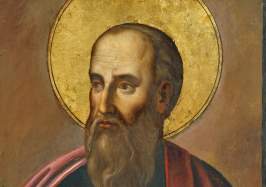 One of our Bible study folks asked about the reference in The Letter to the Galatians to St. Paul’s time in Arabia. I had always wanted to post something on the topic – and now I have an immediate request to do so. The problem is that we don’t really know a lot of biographical information about St. Paul – at least not in the sense of modern biographies.
 This coming Sunday is the
 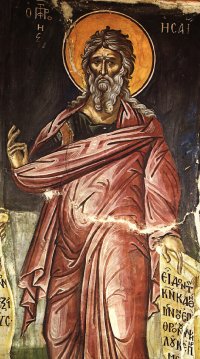 Isaiah, one of the greatest of the prophets, appeared at a critical moment in Israel’s history. To say that his ministry was part of one of the most complicated periods, is an understatement. During his time, the promised land had already split asunder. The people were no longer ruled under Jerusalem and the throne of David. Most of the tribes of Jacob formed the Northern Kingdom (referred to as Israel in this period) with the remaining tribes still loyal to Jerusalem and the throne of David – referred to as Judah.

