
 Today marks the Feast of Saints Simon and Jude, both apostles and early missionaries of the Church. Of the two, St. Jude, the patron of lost causes, the namesake of a notable children’s hospital, is the better known of the two. Jude, also known as Judas Thaddaeus was one of the Twelve Apostles of Jesus according to the New Testament. He is generally identified with Thaddeus, and is also variously called Jude of James, Jude Thaddaeus, Judas Thaddaeus or Lebbaeus. He is sometimes identified with Jude, the brother of Jesus, but is clearly distinguished from Judas Iscariot, the apostle who betrayed Jesus prior to his crucifixion. Catholic writer Michal Hunt suggests that Judas Thaddaeus became known as Jude after early translators of the New Testament from Greek into English sought to distinguish him from Judas Iscariot and subsequently abbreviated his forename. Most versions of the New Testament in languages other than English and French refer to Judas and Jude by the same name. Continue reading
Feast of Saints Simon and Jude
Reply

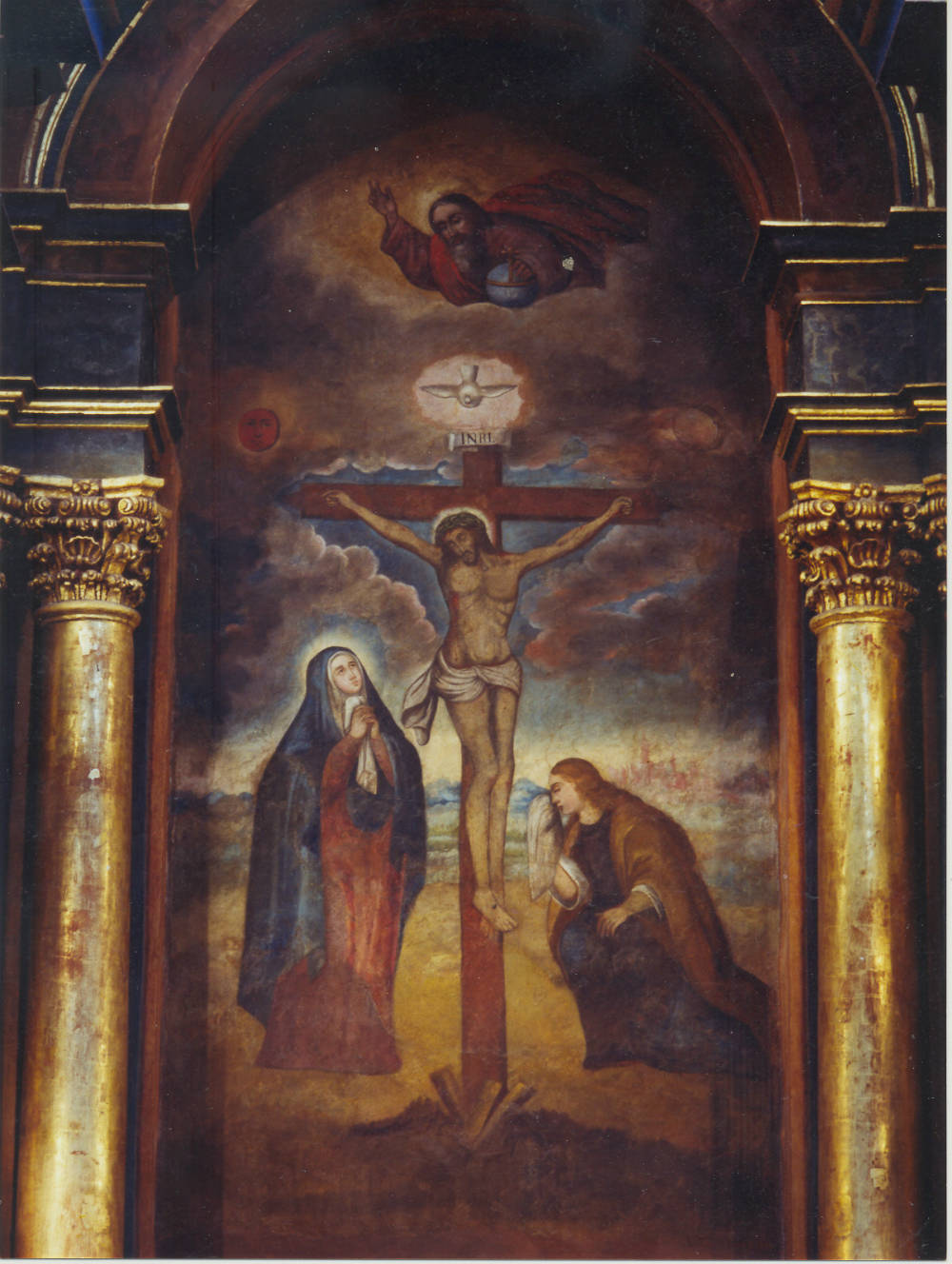 The Lord of Miracles (Señor de los Milagros) is an image painted of Jesus Christ that is venerated in Lima, Peru. The image was painted during the 17th century by Benito or Pedro Dalcon, an African taken from what is now Angola to Peru as a slave. An annual procession commemorating the image occurs every October. It is one of the oldest Catholic traditions in Peru. It is one of the largest religious processions in the world.
  friarmusings