
“As the Father has sent me…”
 Like all experiences, mission has its own stages and cycles, its liminal moments when we are truly betwixt and between worlds, between what we think and how we see the world. Perhaps there are no more potent moments of being “between” than in the beginning of mission, the first moments away from all you knew (or thought you knew), people you cared for and held dear, and all that gave sure anchor to the way in which you engaged the world.


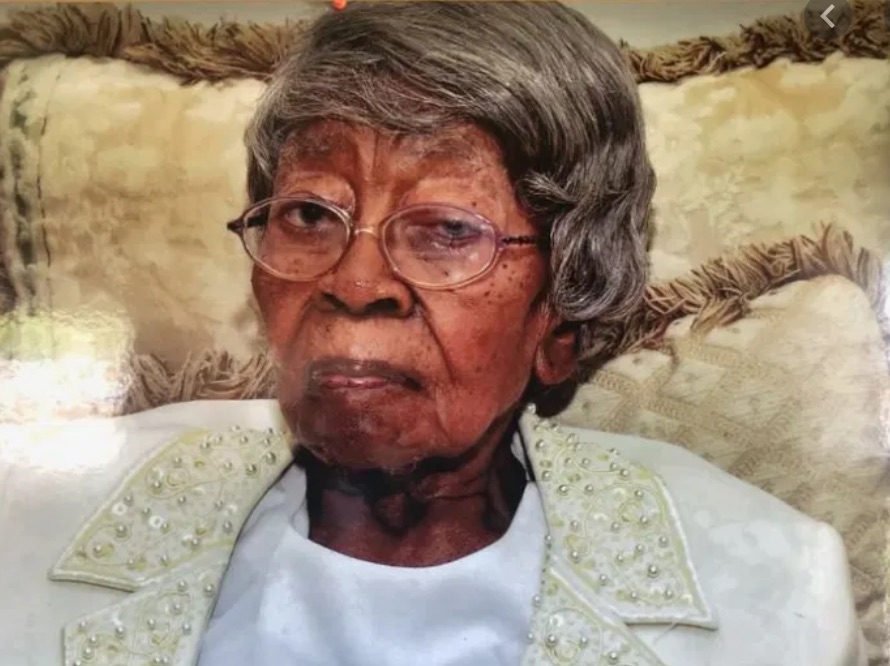 The name “Hester Ford” probably does not ring a bell. She died mid-April (2021) in Charlotte, NC. Theodore Roosevelt was President of the United States when she was born in 1906 (might have been 1905; the records are unclear). The covid-19 pandemic was not her first. She lived through the 1918 influenza pandemic. She lived through two world wars, saw aviation go from marvel to the everyday, witnessed the age of radio then television and then the internet. She witnessed lynchings and Jim Crow. As a black women she knew prejudice and intolerance, but saw the Civil Rights movement begin to make some inroads. She lived long enough to see 21 Presidents – she marveled and was joyous when a Black man was elected President of the United States – something she never expected.
 Clayton Schenkelberg
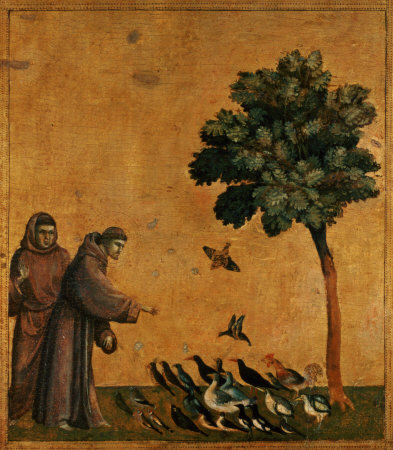 People are surprised to learn that the Early Rule of the friars instructed the brothers not to own pets – as well they were not to ride horses. These rules are only partly about poverty; they encouraged friars not to treat animals as objects or possessions. And, in the case of horseback riding, his rule distanced the friars from the proud world of chivalry. Later in his life when sickness compelled him to ride, Francis always preferred a donkey.
 Sometimes, another just says it succinctly and to the point. Bishop Robert Barron does that so well commenting on
  Today’s
 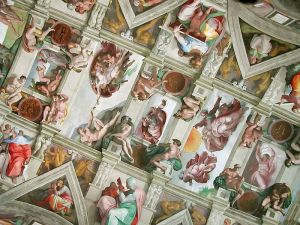 If you have been a visitor to Rome and to the Vatican – no doubt you have been present in the Sistine Chapel. Originally known as the Cappella Magna (‘Great Chapel’), the chapel takes its name from Pope Sixtus IV, who restored it between 1473 and 1481. Since that time, the chapel has served as a place of both religious and functionary papal activity. Today, it is the site of the papal conclave, the process by which a new pope is selected. The fame of the Sistine Chapel lies mainly in the frescos that decorate the interior, most particularly the Sistine Chapel ceiling and The Last Judgment, both by Michelangelo.
 It’s a late December day in Jerusalem. Jesus is walking in the Temple area, and as usual, he’s drawing a crowd during the Feast of the Dedication (better known to us as Hanukkah). The people have come with a question. Perhaps they’ve heard one of Jesus’s enigmatic parables, or witnessed one of his miracles. Or maybe they just want to trap him into saying something they consider blasphemous. Whatever the motive, they ask: “How long will you keep us in suspense? If you are the Christ, tell us plainly.”
 friarmusings