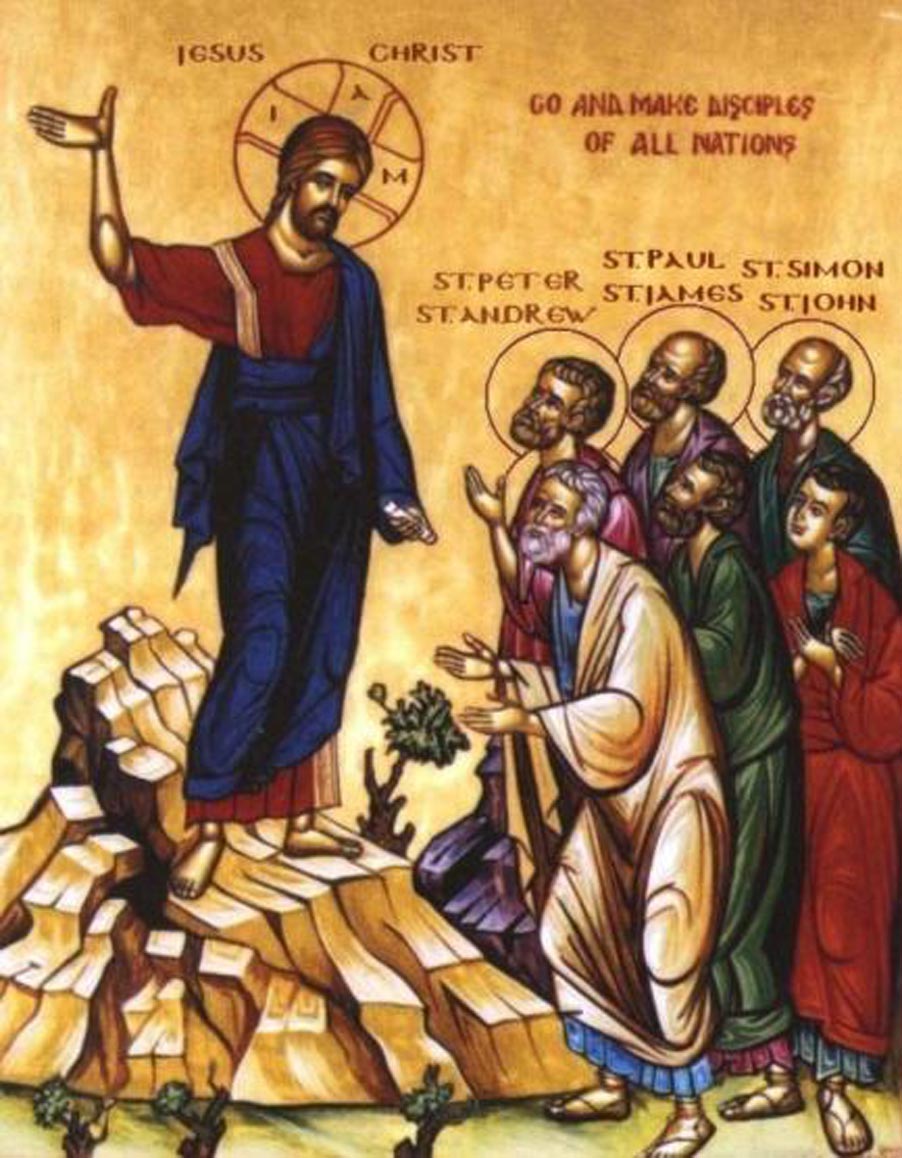
Someone once describe a blog as the digital platform that ensures no thought ever goes unpublished. I think there is a large measure of truth in that definition. The previous post, “The long way round” turned out to not only be about the “long way round” to my time in Kenya, but a more general comment about his blog. The previous post was the long way round from the start to post number 3,000! Yikes, who knew I had so many thoughts needing to be published !!
Who knew…
2
 It is not a small thing to decide to leave life as you know it and take up the mantle of missionary. Many of the folks that join overseas mission services are taking a “gap” year – or in our mission society, three years. Lots of folks are recent college graduates or folks at the start of retirement. I was mid-career. I had worked for a company, started a company, sold a company, and as we reached the end of our agreement to remain, friends and I were considering starting another company. Then my pastor asked if this is what I wanted to do for the rest of my life. I often jokingly tell people not to take dating advice from a priest. Perhaps I should have been cautious about taking career advice from a priest. About the same time, as I noted in a previous

 This week someone thanked me for my service because Memorial Day was coming up. I appreciated the thought but mentally noted so many people are a little unclear about the different holidays. Here is a handy reminder that I saw recently posted:
 Certainly the past 18 months or so have made us all aware of the complexity of disease outbreak called epidemiology, “the study and analysis of the distribution, patterns and determinants of health and disease conditions in defined populations.” Back in 1976 there was another outbreak of limited scope, but one that became well know as
 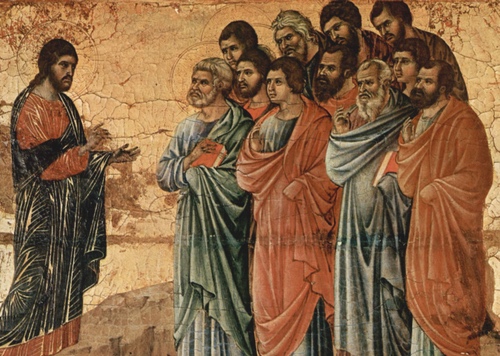 When one hears the story of Jesus and the fig tree in
  The Book of Proverbs is an anthology of collections of sayings and instructions. The individual sayings and instructions are old, but collecting them together and adding an introduction (Chapters 1-9) is something that happened, most likely, in the early period after the return to Palestine from the Babylonian Exile (late 6th century BCE). The primary purpose of the book is to teach wisdom, not only to the young and inexperienced (1:2–4) but also to the advanced (1:5–6). Wisdom in the ancient Near East was not theoretical knowledge but rather practical expertise. Tradesmen using their skills were wise; Artists, too. Leaders, Judges and Kings who contributed to peace and prosperity in the land were wise. One could be wise in daily life, too, in knowing how to live successfully and without trouble in God’s universe. Ultimately wisdom, or “sound guidance” (1:5), aims at the formation of character.