 “But to you who hear I say, love your enemies, do good to those who hate you, bless those who curse you, pray for those who mistreat you. To the person who strikes you on one cheek, offer the other one as well, and from the person who takes your cloak, do not withhold even your tunic. Give to everyone who asks of you, and from the one who takes what is yours do not demand it back. Do to others as you would have them do to you. For if you love those who love you, what credit is that to you? Even sinners love those who love them. And if you do good to those who do good to you, what credit is that to you? Even sinners do the same. If you lend money to those from whom you expect repayment, what credit (is) that to you? Even sinners lend to sinners, and get back the same amount. But rather, love your enemies and do good to them, and lend expecting nothing back; then your reward will be great and you will be children of the Most High, for he himself is kind to the ungrateful and the wicked. Be merciful, just as (also) your Father is merciful. “Stop judging and you will not be judged. Stop condemning and you will not be condemned. Forgive and you will be forgiven. Give and gifts will be given to you; a good measure, packed together, shaken down, and overflowing, will be poured into your lap. For the measure with which you measure will in return be measured out to you.” (Luke 6:27-38) Continue reading →

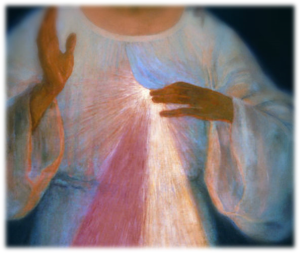 Recently wrote about forgiveness. I started out the column as a reflection on the readings for Advent sometime do not seem to fit the mood of Christmas coming. But then Advent is a time of waiting and reflecting; and to think about gift giving. Forgiveness is one of the great gifts you can give. The end of the post I mused: “What ‘Christmas gift’ comes along with this life of forgiveness? Lower blood pressure, restful night, sweet dreams, peace, no longer being a victim, uninterrupted prayer, a new experience of God’s love… and so much more. Your gift is waiting right there under the tree, the cross of Christ. Go ahead, open your gift. `Tis always the season.’” Continue reading
 In last week’s column I wrote about forgiveness. I started out the column as a reflection on the readings from Scripture for the first week of Advent, noting how the readings did not seem to fit the mood of Christmas coming. The column explained that they weren’t meant to be – it’s Advent, a time of waiting and reflecting despite what the commercial world of commerce would have you believe. But maybe the draw of Christmas is too powerful. The column sort of morphed itself into the idea of forgiveness as the gift you give. The end of the column said: “What ‘Christmas gift’ comes along with this life of forgiveness? Lower blood pressure, restful night, sweet dreams, peace, no longer being a victim, uninterrupted prayer, a new experience of God’s love… and so much more. Your gift is waiting right there under the tree, the cross of Christ. Go ahead, open your gift. `Tis always the season.’”
 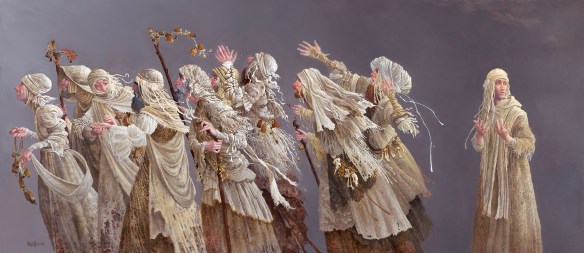 This coming Sunday marks our journey in Ordinary Time, the
 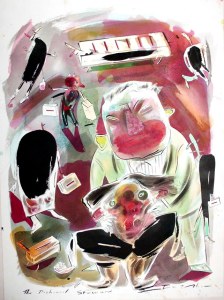 In Jesus’ time, large agricultural operations such as the one described in our gospel parable were rarely run by the owner or the family, such things were left to the steward to oversee. The steward had the full faith and backing of the owner to operate the business. The steward would sell the oil and wheat production for cash, trade, or in exchange for promissory notes. The bartering that preceded the execution of the promissory note was classic commodity bargaining: I will give you so many measure of oil now, and at this future date you will repay with a higher measure of oil. There were two thing buried in the difference between the higher amount and the original amount: profit for the owner and commission for the steward. That was the way things worked.
 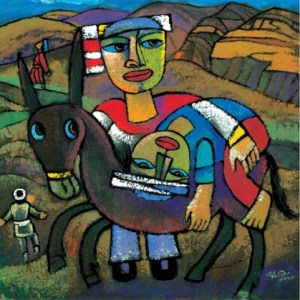 This coming Sunday marks our journey in Ordinary Time, the
  We have a new mayor here in Tampa. Mayor Castor has been in public service for the majority of her adult years, served as Chief of Police and more. There are lots of folks that already knew what kind of leader she will be. Fulfilling positions of leadership is always at the forefront of organizations, politics, and more. It is always a good question for the Church. I have lived during the pontificates of seven popes and in my lifetime we have certainly had a wide variety of types and styles of leaders. In our history, we have had 266 of popes. We have had some spectacularly amazing leaders, saints in the making, and we have had some spectacularly horrific leaders, who would have been quite at home in Game of Thrones (so I hear, I actually haven’t seen it…). All took up the Keys of Peter, with the same job description given Peter: feed my sheep; tend my lambs. The Pope is the most visible of leaders in the Church, but not the only ones with that same job description. The simple mandate, “feed my sheep; tend my lambs” applies to priests, pastors, parents, principals, police, and anyone who would lead – anyone who would answer the call to minister in the Holy Name of Jesus.
  Part of life is often seen in the rearview mirror. Repentance and conversion need the rearview mirror – to see what has been and to begin to think what is possible. Lots of things can be seen in that mirror – memories good and bad, wisdom, information about the choices we’ve made, … and regret.
  friarmusings