
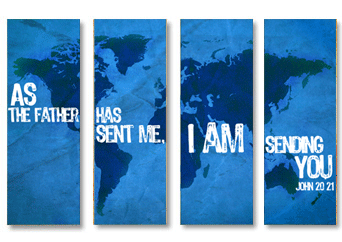
 “Receive the holy Spirit” The sacred writer had already introduced the giving of the Holy Spirit in John 7 in a scene during the Feast of Tabernacles in which the Spirit is promised at a future time when Jesus was glorified. In the Fourth Gospel it is at the crucifixion that Jesus is glorified in that his willing obedience manifests the nature of God, which is love. It is there on the cross that Jesus deliver the Spirit into the world (19:30), symbolized immediately afterward by the flow of the sacramental symbols of blood and water. Continue reading
Coming to believe receiving
Reply

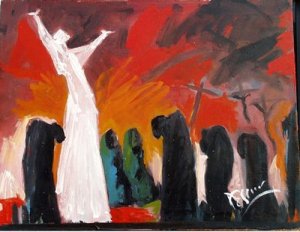 As a liturgical season, Lent is rather straightforward. It is kinda’ easy to write about. There is Ash Wednesday to dramatically mark its beginning, and we all know we are moving relentlessly towards Easter. We count the days even as we mark Lent’s beginning. The Ashes make a visible mark upon us, reminding us that we are dust and to dust we shall return – but that is not the end of the story. We are reminded to repent and believe in the Gospel – but that is not the end goal. We are encouraged to pray, fast, and give alms – but those practices are meant to make room in our lives for God that we too may rise to the newness of life at Eastertide.
 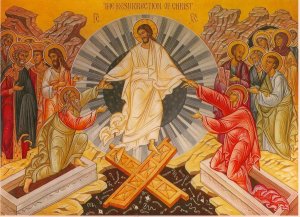 There were so many times in Jesus’ ministry that he told his disciples that on the third day he would be raised from death. Today is the third day. The day when the world changed forever. When His best overcame our worst. When He broke the chains of death and now we are free.
 Death is always untimely. It comes crashing headlong into our lives and into our families. Even if death’s inevitability has been forecasted and known, its arrival remains untimely. There is always more we wanted to do or say. There is never enough time, only the time given us.
 From
From  friarmusings