

The playwright Oscar Wilde once wrote, “I can resist anything except temptation.” The humor of the remark is mixed with a sad recognition that we fail so often to resist the temptations that come our way each day and from every direction. Of course, there are temptations and then there are temptations writ large. What are people’s greatest temptations? Why? What are their “favorite” sins — indicated by frequency and repetition? Why do we so often find ourselves in the same position as St. Paul? “What I do, I do not understand. For I do not do what I want, but I do what I hate.” (Romans 7:15). During this Lenten season, each of us is called to name our temptations as part of a moral and ethical struggle in trying to live a holy and righteous life. Then once we name that temptation, we begin to unfold and inspect, to then start to answer what it is about this temptation that becomes especially alluring. Such are the first steps to healing. Continue reading
 Shira Ovide sent out an interesting article. Shira writes a technology column for the NY Times. It is not a deeply technical article about software or the newest tech devices, but more a “big picture” view of things technical going on in the world. Her post today looks at what we think we know – that ain’t necessarily so. Some curious factoids:
 I subscribe/follow several sources of news and information on thing tech. More big picture than detailed technical. This week the CEOs of Airbnb and Facebook offered their insights about the post-pandemic future. It has been my experience the press release/announcement is splashy event with all the rest playing itself out over time. But in the interim their pronouncements about the future are increasingly red-carpet events and there is a tendency to opine about things not exactly “in their wheelhouse.” [Note: idiomatic use of “wheelhouse” – the field in which a person excels; one’s strongest interest or ability; Oxford English Dictionary … in case you were wondering.]
 The playwright Oscar Wilde once wrote, “I can resist anything except temptation.” The humor of the remark is mixed with a sad recognition that we fail so often to resist the temptations that come our way each day and from every direction. Of course, there are temptations and then there are temptations writ large. What are people’s greatest temptations? Why? What are their “favorite” sins – indicated by frequency and repetition? Why do we so often find ourselves in the same position as St. Paul? “What I do, I do
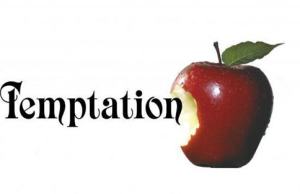
 The playwright Oscar Wilde once wrote, “I can resist anything except temptation.” The humor of the remark is mixed with a sad recognition that we fail so often to resist the temptations that come our way each day and from every direction. Of course, there are temptations and then there are temptations writ large. What are people’s greatest temptations? Why? What are their “favorite” sins – indicated by frequency and repetition? Why do we so often find ourselves in the same position as St. Paul? “What I do, I do not understand. For I do not do what I want, but I do what I hate.” (Romans 7:15) During this Lenten season, each of us is called to name our temptations as part of a moral and ethical struggle in trying to live a holy and righteous life. Then once we name that temptation, to begin to unfold and inspect, to then start to answer what it is about this temptation that becomes especially alluring. Such are the first steps to healing.
 friarmusings