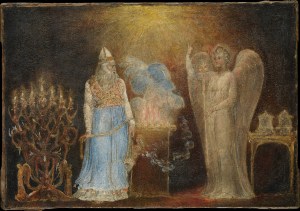
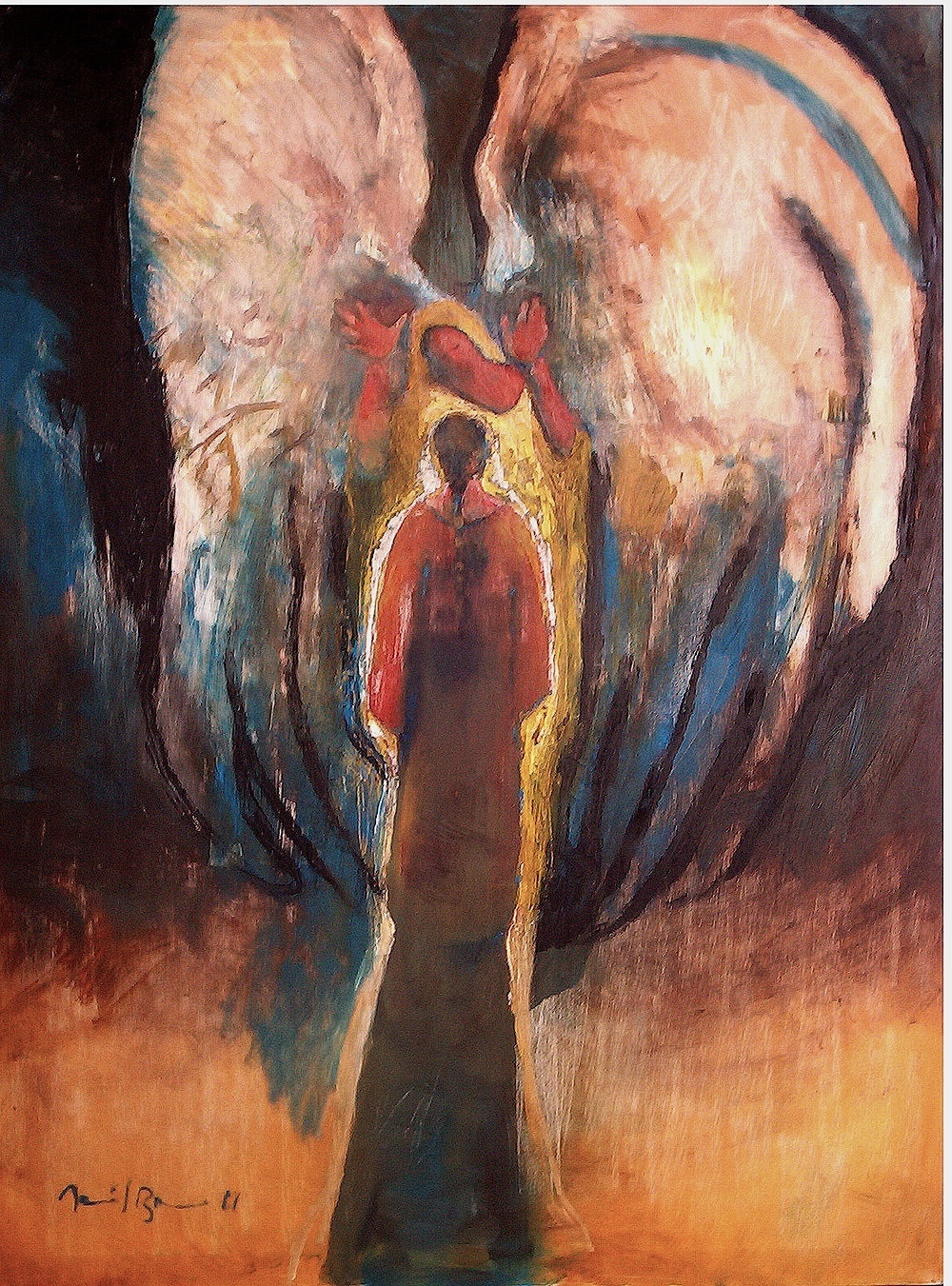
The Visions of Zechariah

The Book of Zechariah is set during this period of restoration and reconstruction following the Babylonian Exile. Zechariah, along with Haggai, another prophet, played a crucial role in encouraging the returning exiles to complete the rebuilding of the temple, which had been halted due to opposition and discouragement. The book provides insights into the challenges faced by the Jewish community as they sought to rebuild their city and reestablish their religious practices. As part of an introduction to the The Book of Zechariah, this post outlines the series of eight night visions that are presented in chapters 1 through 6. These visions are filled with symbolism and convey messages of God’s presence, protection, and judgment upon the nations that oppressed Israel.

Continue reading

Zechariah: An Overview

The historical background of the Book of Zechariah is closely tied to the post-exilic period of Israel’s history. After the Babylonian Empire conquered Judah and destroyed Jerusalem in 587 BC, many Israelites were taken into captivity in Babylon for a period of around seventy years. Following the fall of Babylon to the Persian Empire under King Cyrus the Great in 538 BC, Cyrus issued a decree allowing the Jewish exiles to return to their homeland and rebuild the temple in Jerusalem. This marked the beginning of the post-exilic period and the subsequent waves of Jewish returnees to Jerusalem. Continue reading

Hilarious

Hopefully you know the backstory to today’s gospel – it comes from Luke 1:5-25. Here are the highlights: Zechariah, a Levite called to priestly duty in the Temple in Jerusalem, has his own “Annunciation” while offering sacrifice in the Holy of Holies. He is told that he and his wife Elizabeth, in their old age, are to become parents – as it turns out, parents of the Herald of the Messiah, John the Baptist. Zechariah doubts the message of the angel Gabriel.

But now you will be speechless and unable to talk until the day these things take place, because you did not believe my words, which will be fulfilled at their proper time (Luke 1:20)

And now we move to the scene eight days after the birth of the child, in the midst of the Jewish celebration to name the child… and a kind of comedy of errors.

Continue reading

Annunciations

TheAnnunciationSimilar, yet… In many respects our gospel (Luke 1:26-38) is similar to the annunciation of the birth of John. The angel Gabriel appears to announce the birth of the child, and the annunciation follows the pattern of birth annunciations in the OT: The angel says, “Do not be afraid,” calls the recipient of the vision by name, assures him or her of God’s favor, announces the birth of the child, discloses the name of the child to be born, and reveals the future role of the child in language drawn from the Scriptures. After their respective announcements, Zechariah and Mary each ask a question, a sign is given, and the scene closes with a departure. The similarity of structure and content between the two scenes invites the reader to consider the differences between them all the more closely. For example, the first announcement came as an answer to fervent prayer; the second was completely unanticipated. John would be born to parents past the age of child bearing, but the miracle of Jesus’ birth would be even greater. Jesus would be born to a virgin. The announcement of Jesus’ future role also shows that at every point Jesus would be even greater than his forerunner. Watch how these nuances are developed in the course of the details of this scene. Note this narrative comparison also punctuates the beginning of Mark’s gospel which has no infancy narrative: John the Baptist is not the Christ, not Elijah, not the prophet to come, and not worthy to loosen the strap of the sandal of the one who is to come. Continue reading

Annunciations

TheAnnunciationSimilar, yet… In many respects our gospel (Luke 1:26-38) is similar to the annunciation of the birth of John. The angel Gabriel appears to announce the birth of the child, and the annunciation follows the pattern of birth annunciations in the OT: The angel says, “Do not be afraid,” calls the recipient of the vision by name, assures him or her of God’s favor, announces the birth of the child, discloses the name of the child to be born, and reveals the future role of the child in language drawn from the Scriptures. After their respective announcements, Zechariah and Mary each ask a question, a sign is given, and the scene closes with a departure. The similarity of structure and content between the two scenes invites the reader to consider the differences between them all the more closely. For example, the first announcement came as an answer to fervent prayer; the second was completely unanticipated. John would be born to parents past the age of child bearing, but the miracle of Jesus’ birth would be even greater. Jesus would be born to a virgin. The announcement of Jesus’ future role also shows that at every point Jesus would be even greater than his forerunner. Watch how these nuances are developed in the course of the details of this scene. Note this narrative comparison also punctuates the beginning of Mark’s gospel which has no infancy narrative: John the Baptist is not the Christ, not Elijah, not the prophet to come, and not worthy to loosen the strap of the sandal of the one who is to come. Continue reading