Francis of Assisi: Francis and Nature, Part II

People are surprised to learn that the Early Rule of the friars instructed the brothers not to own pets – as well they were not to ride horses. These rules are only partly about poverty; they encouraged friars not to treat animals as objects or possessions. And, in the case of horseback riding, his rule distanced the friars from the proud world of chivalry. Later in his life when sickness compelled him to ride, Francis always preferred a donkey.

In his own writings, Francis does not adopt images from his experience of nature, rather he took those images from Scripture. In the five passages outside the Rules where he mentions animals, only once does he go beyond the imagery from Scripture, and it is to hold up animals as an example of obedience to God. Continue reading

Francis of Assisi – a portrait in humility

saint-francis-of-assisi-cimabueWith the election of Pope Francis there seems to be a surge in wanting to know more about St. Francis of Assisi. There certainly is no lack of written material, scholarly, popular, and in between.  There is also a lot of marginal material out there.  Here is a list of readable and approachable books for the inquiring minds – and no it in no way approaches completeness.  Someone suggested that there is a new biography of St. Francis printed every year. I am not sure that is strictly true, but it sure seems like it. Continue reading

Jesuit and Franciscan

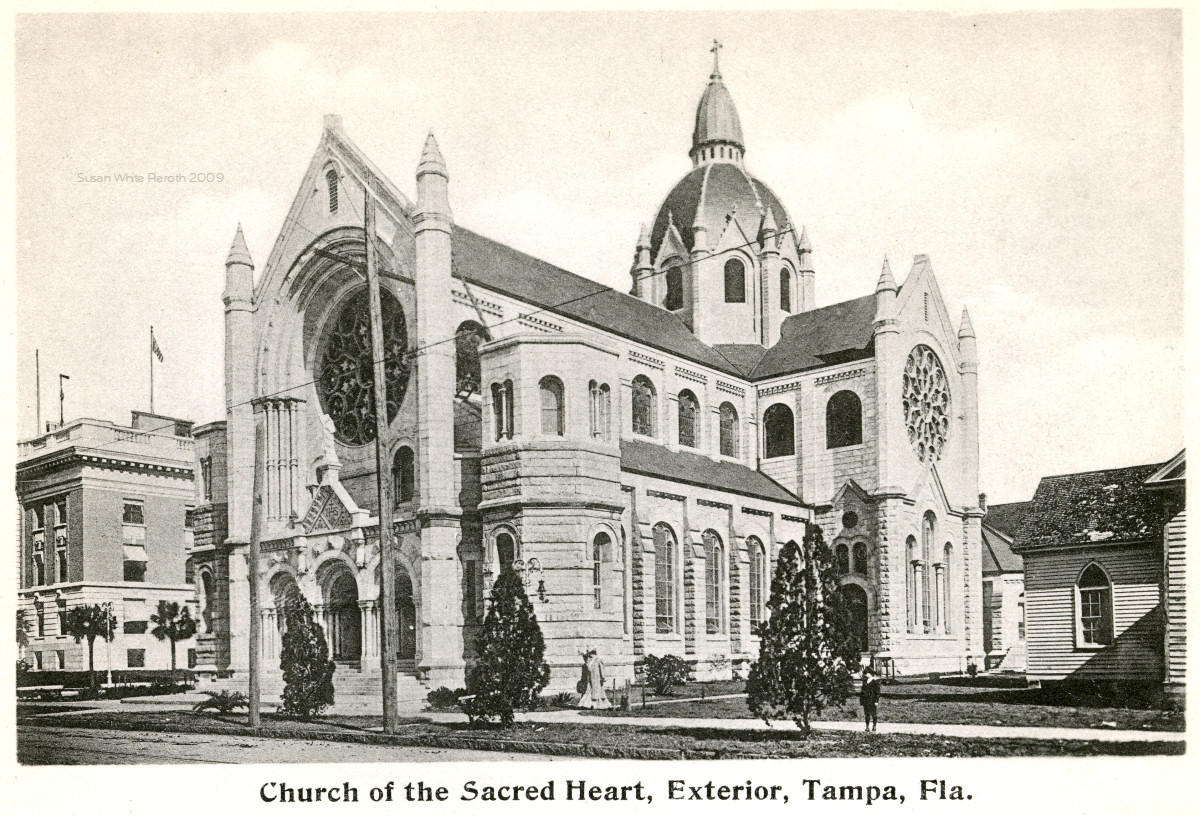
SH historicSacred Heart parish here in Tampa has an unusual history.  It was established in 1860 (modern by world standards, ancient by West Central Florida standards) with diocesan priests, but was lead by the Jesuits of the New Orleans province from 1888 until 2005. Their missionary, church planting, and pastoral work was pretty amazing. In 2005 they withdrew from the parish and pastoral leadership of the parish passed to the Franciscan friars of Holy Name Province who remain to this day.

As a parishioner pointed out, are we perhaps the only parish who has a statue/altar for St. SH modernIgnatius of Loyola and St. Francis of Assisi – as well as the tradition of both august religious orders?  Fun to ponder – but in any case we are proud of our Jesuit roots (Ad Majorem Dei Gloriam – For the greater glory of God) and our Franciscan heritage (Deus Meus et Omnia – My God and my all)

A Jesuit with a Franciscan Name….

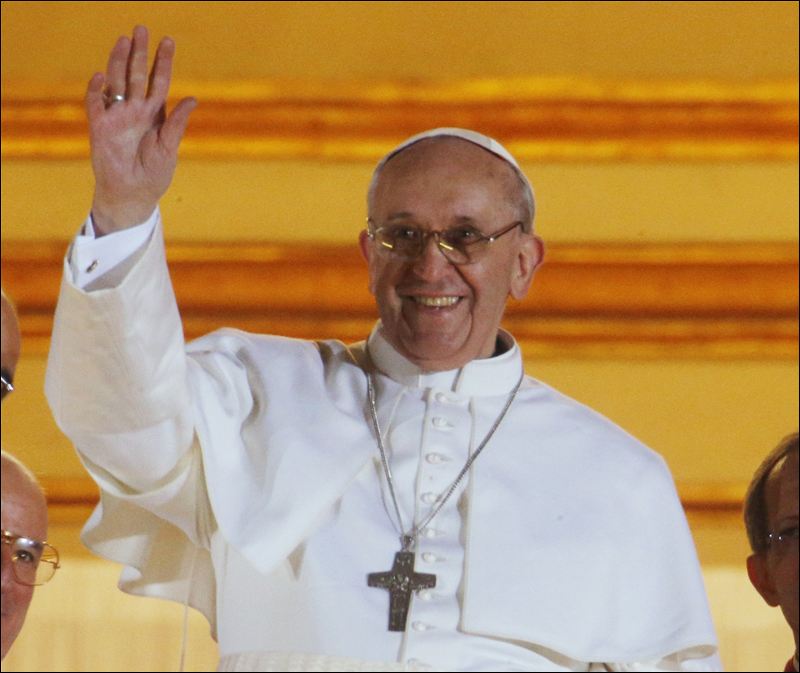
Pope Francis

Where were you when the white smoke billowed from the Vatican?  I was on my way back to the parish when my cell phone kept rapidly beeping as one text after another poured in.  Back in the parish office, I learned the Jesuit Cardinal Jorge Mario Bergoglio of Argentina had been elected and taken the name Francis – I assumed it was for St. Francis Xavier the great Jesuit missionary and that new evangelization would be the focus of his pontificate.  A good choice and a great aim.

Continue reading

The Work of the Church

My Franciscan brother, Fr. Dan Horan OFM, had a nice insight this morning over at his blog DatingGod. In short, while the world has focused on the resignation of Pope Benedict XVI, the gathering of cardinals, the pomp and circumstance of the electoral process, and all thing papabili, the work of the Church continues.

While the spectacle of papal elections, with the pomp and circumstance of crimson cassocks and Latin chant captures the imagination of many the world over, the work of the church doesn’t end (nor begin, for that matter) with these attention-grabbing events.

The work of the church is in the parish, the ministry center, the homeless shelter, the Catholic Charities office, the Franciscan missions in Peru, the classrooms of Jesuit schools, the hospices of the Sisters of Charity, and so on. The life of the church is found not in the grand processions of cardinal electors or the daily routines of the Roman dicasteries, but in the experience of the Body of Christ, which is the People of God, living a life of faith, striving to follow the Gospel, and caring about how to be a good and holy person — every day, here and now.

Journalists, columnists, pundits, and the like will get their fair share of news and “exciting events” over the next few days, but when the TV cameras and reporters vacate St. Peter’s Square, the nuns who care for Rome’s homeless population and the doctors who work in the Catholic hospitals of that city will continue the mission of the evangelica vita.

Rejoicing with the Angels in Heaven

This Sunday is Laetare Sunday, so called because of the opening words to the antiphon for the Mass: Laetare Jerusalem….Rejoice, O Jerusalem…

All of our readings reflect and point to the celebration theme of joy here at the midpoint of our Lenten journey. When the Israelites reach the promised land the Lord announced that their guilt had been lifted, and so the people celebrate. They had become new people in a new land – just as St. Paul reminds us in his 2nd Letter to the Corinthians: “Whoever is in Christ is a new creation: the old things have passed away; behold, new things have come.” But the gospel is the real celebration in the wonderful telling of the parable of the Prodigal Son. There are a myriad of things that could be said about this parable, but let me suggest one for your consideration this Sunday. Continue reading

Forming a moral conscience

There is a current NY Times article about the “Vatican” and “bishops” being out of touch with the people of the United States.  My Franciscan brother, Fr. Dan Horan, OFM, has an insightful article over at his blog about what he finds truly significant about the poll.  Take a read. Interestingly, he touches on two points that are always close to my thoughts: (a) people and the formation of a moral conscience, and (b) US Catholics are really a very small percent of the whole-wide Catholic Church. Continue reading