
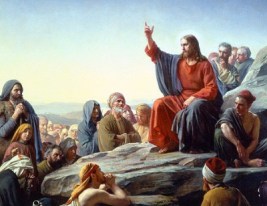
 Jesus said to his disciples: “You have heard that it was said, You shall love your neighbor and hate your enemy. But I say to you, love your enemies and pray for those who persecute you, that you may be children of your heavenly Father, for he makes his sun rise on the bad and the good, and causes rain to fall on the just and the unjust. For if you love those who love you, what recompense will you have?
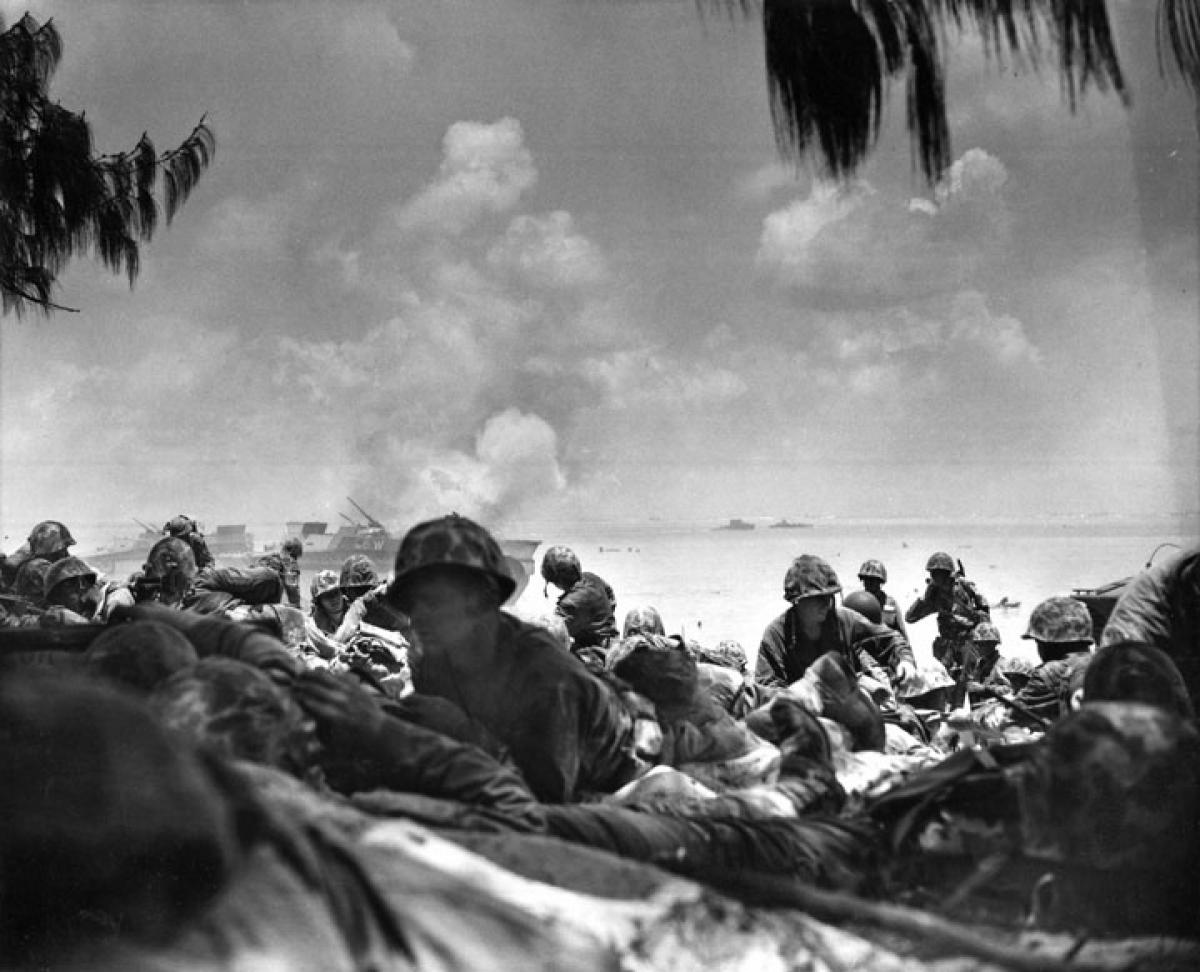
I just finished reading Ian Toll’s trilogy on the War in the Pacific 1941-1945. I started around Memorial Day – which seemed quite appropriate and finished last week. I thought I knew a lot about the War. Being one of the children of the Greatest Generation – and the most silent, too, the absence of stories from my father and my uncles left me with a curiosity to know more about what they were ready to forget.
 In today’s
 At the end of the movie “Tora! Tora! Tora” (1970 film about the Dec 7, 1941 Japanese attack on Pearl Harbor), Admiral Isoroku Yamamato comments, “I fear all we have done is to awaken a sleeping giant and fill him with a terrible resolve.” It is a great line, prescient in nature, but… Although the quotation may well have encapsulated many of his real feelings about the attack, there is no printed evidence to prove Yamamoto made this statement or wrote it down. William Safire traces its origins to the phrase dubiously attributed to Napoleon, “China is a sickly, sleeping giant. But when she awakes the world will tremble”. But the metaphor of the awakened sleeping giant was apt – and may well have been in Yamamoto’s mind. The admiral had studied, served and traveled in the United States and was well aware of its extensive industrial capability – as were a number of key Japanese military leaders of the day.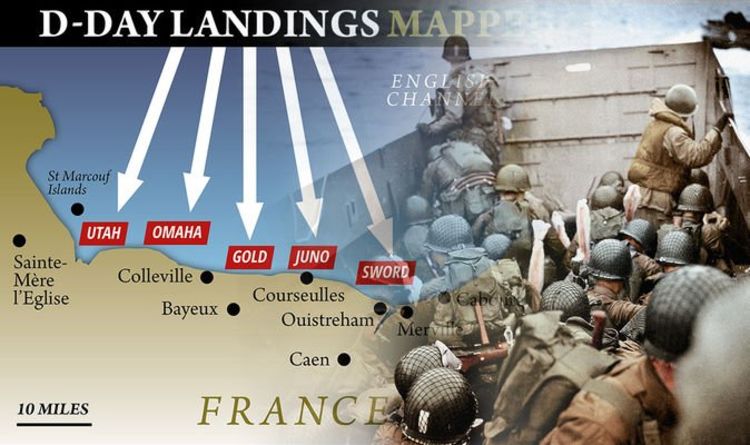
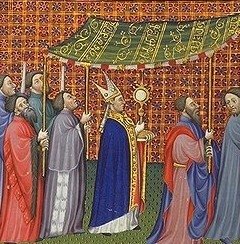 This weekend the Church celebrates the Solemnity of the Body and Blood of Christ, a feast perhaps better known by the Latin Corpus Christi. At its core, the solemnity is a celebration of the Tradition and belief in the Eucharist as the Real Presence of the Body and Blood of Jesus Christ. Many folks wonder why this celebration is not integral with Holy Thursday. It was, mixed in with other themes, e.g., institution of the priesthood. And, all this occurs in the shadow of Good Friday. The placement of the celebration was not one that necessarily lends itself to a joyful celebration.

 friarmusings