John 14:1–12 1 “Do not let your hearts be troubled. You have faith in God; have faith also in me.2 In my Father’s house there are many dwelling places. If there were not, would I have told you that I am going to prepare a place for you? 3 And if I go and prepare a place for you, I will come back again and take you to myself, so that where I am you also may be. 4 Where (I) am going you know the way.” 5 Thomas said to him, “Master, we do not know where you are going; how can we know the way?” 6 Jesus said to him, “I am the way and the truth and the life. No one comes to the Father except through me. 7 If you know me, then you will also know my Father. From now on you do know him and have seen him.” 8 Philip said to him, “Master, show us the Father, and that will be enough for us.” 9 Jesus said to him, “Have I been with you for so long a time and you still do not know me, Philip? Whoever has seen me has seen the Father. How can you say, ‘Show us the Father’? 10 Do you not believe that I am in the Father and the Father is in me? The words that I speak to you I do not speak on my own. The Father who dwells in me is doing his works. 11 Believe me that I am in the Father and the Father is in me, or else, believe because of the works themselves. 12 Amen, amen, I say to you, whoever believes in me will do the works that I do, and will do greater ones than these, because I am going to the Father. Continue reading
Category Archives: Scripture
Just as he has loved them…
A Theological Summary Verses 17-18 form the conclusion to the discourse. In these verses, the shepherd metaphor is abandoned completely and Jesus speaks directly about his death and relationship with God. These verses focus on three theological themes that are essential to understanding the death of Jesus in John.
First, these verses place Jesus’ death fully in the context of his relationship with God. Verse 17 contains the first linkage of “love” (agapaō) with Jesus’ death in the Fourth Gospel. God’s love for the world (3:16) and for Jesus (3:35) are already known to the reader, and this verse adds a new dimension to that love. God loves Jesus because Jesus lives out God’s commandment fully (v.18). Continue reading
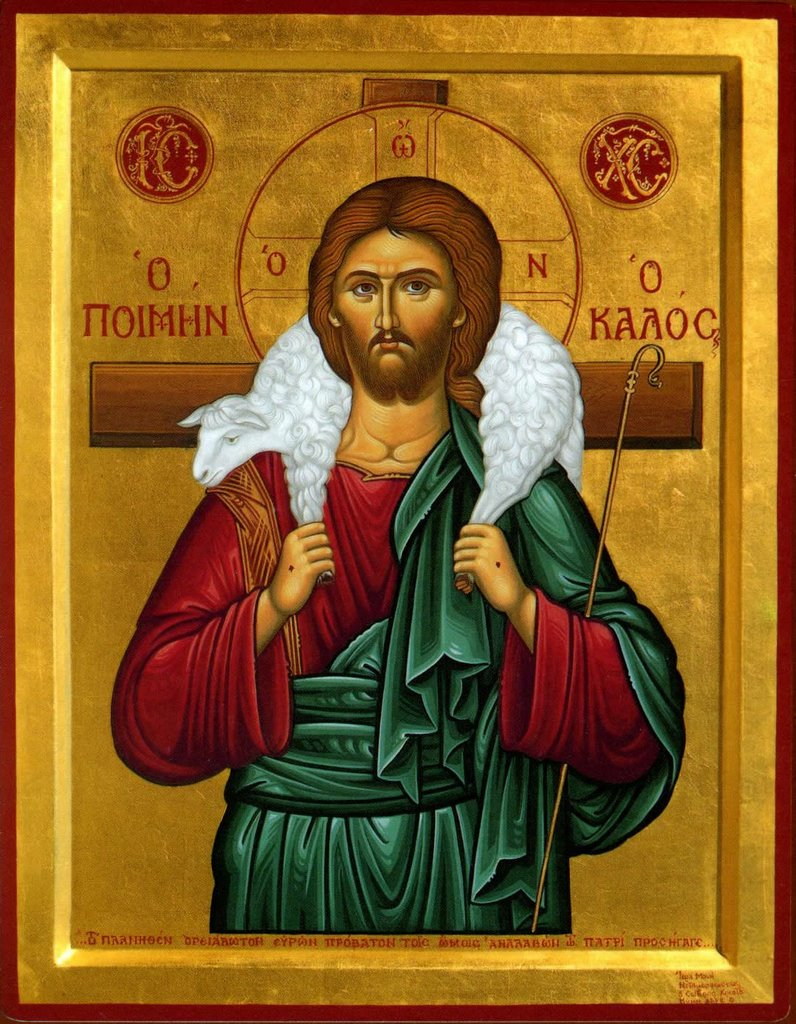
The Good Shepherd
Imagery of Shepherd Israel’s leaders were often regarded as shepherds, and even though God was always their principal shepherd, responsible human agents were necessary so that Israel would not be as “sheep without a shepherd” (Num 27:16, 17); and significantly, a charismatic element is said to have rested on such leaders (Num 27:16–21; cf. Isa 11:1–9; 44:28–45:1). God is said to have led the flock Israel through the wilderness by the hand of Moses and Aaron (Ps 77:21; Isa 63:11). Although no Israelite king is ever directly called by the title “shepherd,” it is implied, since David as prince feeds, or shepherds, Israel (2 Sam 5:2), and when Micah predicted the death of Ahab and Israel’s defeat, he said the scattered army would be “as sheep which have no shepherd” (1 Kgs 22:17; 2 Chr 18:16; cf. Num 27:16, 17). Continue reading
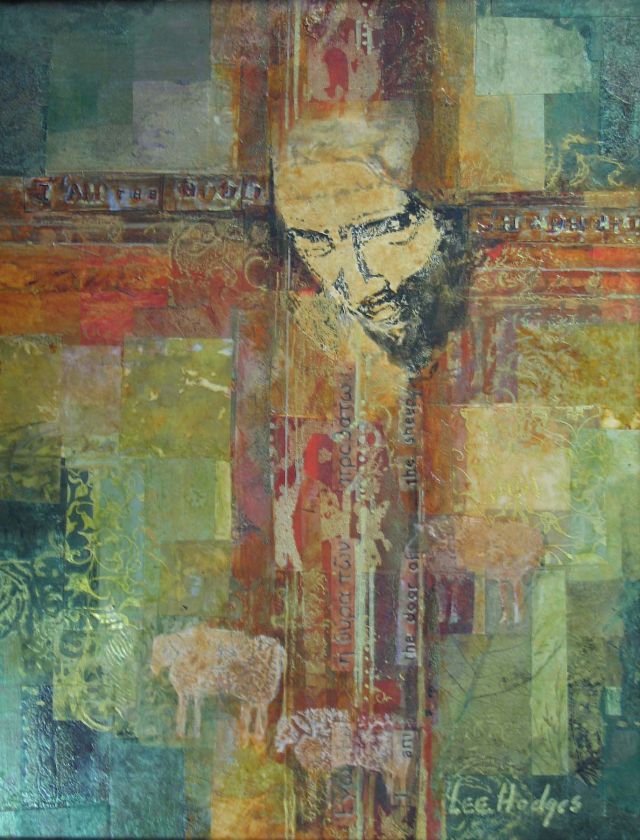
The gate and the shepherd
So Jesus said again… It is evident to Jesus that the disciples do not understand, so Jesus offers another explanation. Commentaries have long asked how we are to understand the relationship between vv.1-6 and vv.7-18. Are the latter verses making an allegorical explanation to the already presented parable? The problem with such a view is that characters and imagery has changed. In any case, few people seem to believe that if vv.7-18 are a clarifying or additional explanation, it likely was not any more effective.
But some see that a change of scene/place is implied (from “driven out…walks ahead…follow). Whereas the opening verses were within the village: the courtyards and narrow streets on to which they opened. Now the setting is the open country into which the shepherd led the sheep for grazing, and where in the summer months shepherd and sheep might spend the night. Overnight the sheep were placed in roughly constructed round stone-walled enclosures. The top of the dry-stone wall was covered with thorns to keep out wild animals. Inside the enclosure the sheep were safe so long as the entrance was secured by the shepherd. He slept across the entrance as there was no door and no doorkeeper. Continue reading
The gate: shepherds, robbers and sheep
Commentary Moloney [301] outlines this narrative by the following schema:
- 9:39-41: Introduction. Jesus is questioned by the Pharisees (among whom there is a division) and he condemns them for their blind ignorance
- 10:1-6: Jesus tells a parable about entering the sheepfold and the Pharisees cannot understand. This section is marked with the unique, “Amen, Amen…”
- 10:7-13: Jesus contrasts himself, the door and the Good Shepherd, with others who are thieves, robbers and hirelings. This section is also introduced with “Amen, Amen…”
- 10:14-18: Jesus the Good Shepherd, out of union with the Father, lays down his life for the sheep
- 10:19-21: Conclusion: A division among “the Jews.”
The gate: context
John 10:1–10 1 “Amen, amen, I say to you, whoever does not enter a sheepfold through the gate but climbs over elsewhere is a thief and a robber.2 But whoever enters through the gate is the shepherd of the sheep. 3 The gatekeeper opens it for him, and the sheep hear his voice, as he calls his own sheep by name and leads them out. 4 When he has driven out all his own, he walks ahead of them, and the sheep follow him, because they recognize his voice. 5 But they will not follow a stranger; they will run away from him, because they do not recognize the voice of strangers.” 6 Although Jesus used this figure of speech, they did not realize what he was trying to tell them. 7 So Jesus said again, “Amen, amen, I say to you, I am the gate for the sheep. 8 All who came (before me) are thieves and robbers, but the sheep did not listen to them. 9 I am the gate. Whoever enters through me will be saved, and will come in and go out and find pasture. 10 A thief comes only to steal and slaughter and destroy; I came so that they might have life and have it more abundantly. Continue reading
It makes sense
I have been leading Bible studies for a long time now. I think the first one was in 1984. When I think back, it seems to me, that each time we study St. Luke’s account called the “Road to Emmaus” the same basic questions arise. “How could these two people, clearly disciples, people who may have followed Jesus for maybe three years – having seen the miracles, the mighty works, heard the preaching, seen Lazarus raised from the dead, and heard Jesus proclaim that he would be put to death and then rise – how could they then hear the reports of the empty tomb and then walk away in a slow descent into despair? Don’t they get it? How could they not get it? Where is their faith? It doesn’t make sense.” Continue reading
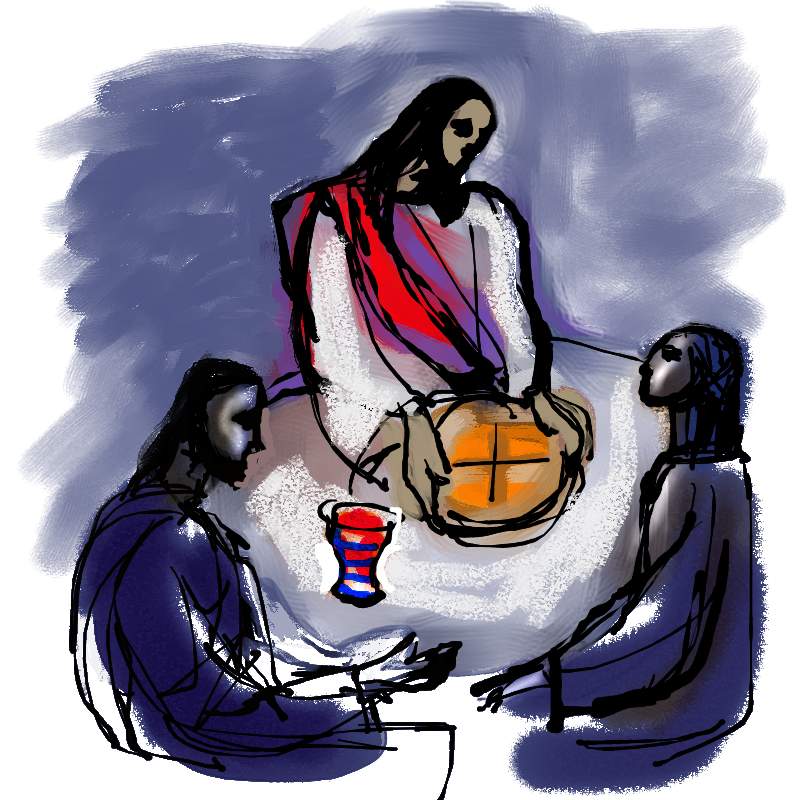
Emmaus: at table
At The Table With Jesus The disciples are struck by what Jesus has said and ask him to stay with them even has he appears to be traveling on. Alan Culpepper (479) offers an interesting insight into the simple passage (v.28):
Jesus’ first action is probably significant both thematically and theologically. He “walked ahead as if he were going on.” On the surface it is a gesture of social deference and polish. It implies that Jesus was not really going further but that he would not impose on the disciples to offer him hospitality. In Near Eastern customs, the guest was obligated to turn down such an invitation until it was vigorously repeated (see Gen 19:2-3). Theologically, Jesus’ action demonstrates that he never forces himself upon others. Faith must always be a spontaneous, voluntary response to God’s grace. Thematically, the action is suggestive, because all the way through the Gospel Jesus has been going further. When the people at Nazareth rejected him, Jesus “passed through the midst of them and went on his way” (4:30). When the crowds wanted to prevent Jesus from leaving them, he responded, “I must proclaim the good news of the kingdom of God to the other cities also” (4:43). He preached in synagogues and withdrew to desert places to pray (4:44; 5:16). In Galilee he was constantly on the move, and from Luke 9:51 until 19:44 he is on the way to Jerusalem. The Lukan Jesus, therefore, was always going further, and in the book of Acts the gospel of Jesus will spread “to the ends of the earth.” Continue reading
Emmaus: on the way
Commentary. Luke sets the scene with markers of time (that very day), place (on the road between Jerusalem and Emmaus) and situation – two disciples who earlier had been with the disciples, heard the women’s testimony and apparently discounted their testimony has idle wistfulness. The community of believers has been fractured.
Unable to see. Elsewhere in the Gospel according to Luke “eyes” and “sight” have been correlated with comprehension, faith and salvation (cf. 1:78-79; 2:30; 6:39-42; 10:23; 11:34; 18:35-42; 10:42). For most the gospel referred to as the “Journey to Jerusalem” (9:51 – 18:14) the disciples have witnesses Jesus’ teaching, mighty deeds, and revelation of his heavenly Father. But in the earliest hours of the new world order after the Resurrection, the two disciples do not recognize Jesus. Their eyes are “prevented” from seeing, an expression for spiritual blindness. It ironic that the two travelers consider themselves the truly knowledgeable ones who are shocked that this fellow traveler has no idea of the very public events of the last three days. While they understand the details of the events from a human perspective, they are truly unaware of those event’s meaning. Continue reading
Emmaus: context
Luke 24:13-35 13 Now that very day two of them were going to a village seven miles from Jerusalem called Emmaus, 14 and they were conversing about all the things that had occurred. 15 And it happened that while they were conversing and debating, Jesus himself drew near and walked with them, 16 but their eyes were prevented from recognizing him. 17 He asked them, “What are you discussing as you walk along?” They stopped, looking downcast. 18 One of them, named Cleopas, said to him in reply, “Are you the only visitor to Jerusalem who does not know of the things that have taken place there in these days?” 19 And he replied to them, “What sort of things?” They said to him, “The things that happened to Jesus the Nazarene, who was a prophet mighty in deed and word before God and all the people, 20 how our chief priests and rulers both handed him over to a sentence of death and crucified him. 21 But we were hoping that he would be the one to redeem Israel; and besides all this, it is now the third day since this took place. 22 Some women from our group, however, have astounded us: they were at the tomb early in the morning 23 and did not find his body; they came back and reported that they had indeed seen a vision of angels who announced that he was alive. 24 Then some of those with us went to the tomb and found things just as the women had described, but him they did not see.” Continue reading