

This post is by no means complete, thorough, or makes any claim to being the last word. It is just a slice of what is out there on September 4th that caught my eye, looked interesting, and so I gave it a read. Maybe you will too.
- Worried About Breakthrough Infections? Here’s How to Navigate This Phase of the Pandemic – New York Times.
- Long-Haulers Are Fighting for Their Future – The Atlantic
- Six Important Questions About Booster Shots Answered – Smithsonian
- The Coronavirus Could Get Worse – The Atlantic
- Pandemic Psychology – The Guardian

 Today is the
  In most bibles that give heading titles to sections (which are helpful, but not part of the original text), today’s gospel is labelled, e.g., The Call of Simon the Fisherman. James and John, the sons of Zebedee, get second billing in this account. However Jesus never “calls” them. He never utters a “follow me” to them, like in the accounts of calling the same fishermen in Mark 1:16-20 and Matthew 4:18-22. In our text, Jesus only talks to Simon. Later Jesus will give the command, “Follow me,” to Levi (Luke 5:27), who like these fishermen, “leaves everything and follows him” (5:11, 28). Jesus announces to Simon (and only to Simon!) what Simon will now be doing. This call/announcement comes not in a “holy” place such as the temple or synagogue, but at work. The call comes not to extraordinary, designated holy people such as priests or Pharisees, but to a fisherman; one who knows his sinfulness.
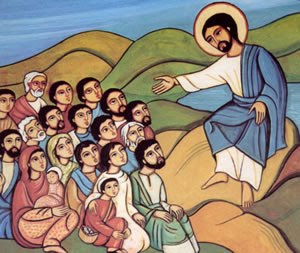 Jesus said to his disciples: “In praying, do not babble like the pagans, who think that they will be heard because of their many words. Do not be like them. Your Father knows what you need before you ask him” (Mark 6:7-8) This is the verse that comes just before the Markan version of the Lord’s Prayer/Our Father. Depending o the translation one is viewing you will read references to “babbling” in prayer, vain repetitions, empty phrases, needless words – all referring to the pattern of prayer used by the pagans of Jesus’ time.
  Today’s
  Today’s
  In yesterday’s homily, I noted that God’s Word is always related to human need. If a person is dying of cancer, the gospel is God’s strong word of resurrection. If a person is permeated with guilt, the gospel is God’s assurance of forgiveness. If people experience extreme suffering, God’s word is our refuge and strength.
 This coming Sunday, the 23rd Sunday of Ordinary Time in Year B, we will hear the
  On January 1st 1863 the Emancipation Proclamation was issued in the midst of the Civil War. Slaves who lived within the borders of the Confederacy remained in bondage. Most never heard about the proclamation until the last days of the conflict; some only heard well after the war’s end – the basis of Juneteenth Celebration when freedom from slavery was proclaimed to the people of Galveston months after Lee’s surrender at Appomattox Courthouse.
  friarmusings