
 Several weeks ago we described Francis’ love of the Eucharist. For Francis the Eucharist is the primary way in which he sees Christ’s continuing Incarnation in the world. It is the sign of the presence of Christ with the Church in his continuing salvific role. That presence was respected by Francis and was shown by the directions he gave to his own brothers regarding Eucharistic reverence, and that he even directed his missionary brothers to carry pyxes, so if they encountered the Eucharist not properly cared for, they would be able to provide a suitable means to reserve the consecrated hosts.
Francis and the Word of God
Reply
 Certainly the past 18 months or so have made us all aware of the complexity of disease outbreak called epidemiology, “the study and analysis of the distribution, patterns and determinants of health and disease conditions in defined populations.” Back in 1976 there was another outbreak of limited scope, but one that became well know as
  When one hears the story of Jesus and the fig tree in
 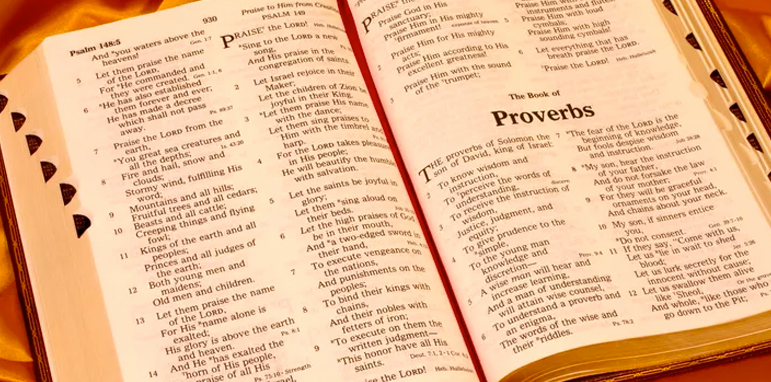 The Book of Proverbs is an anthology of collections of sayings and instructions. The individual sayings and instructions are old, but collecting them together and adding an introduction (Chapters 1-9) is something that happened, most likely, in the early period after the return to Palestine from the Babylonian Exile (late 6th century BCE). The primary purpose of the book is to teach wisdom, not only to the young and inexperienced (1:2–4) but also to the advanced (1:5–6). Wisdom in the ancient Near East was not theoretical knowledge but rather practical expertise. Tradesmen using their skills were wise; Artists, too. Leaders, Judges and Kings who contributed to peace and prosperity in the land were wise. One could be wise in daily life, too, in knowing how to live successfully and without trouble in God’s universe. Ultimately wisdom, or “sound guidance” (1:5), aims at the formation of character.
 It would seem this is post 3 of 3 about how I ended up in Kenya. In the two preceding days I posted about the role of
  I recently celebrated a birthday. There were plenty of years I did not celebrate it – not because of any reason other than I was not with a group of people for whom it wasn’t on “their radar.” As best I can remember all the birthdays between high school graduation and leaving the service of the US Navy passed by. A lot of the time I was at sea and spent my birthday on watch. I know the date was in my personnel file. But I only remember celebrating the Commanding Officer’s birthday and that was because his wife had bribed the Supply Officer to make it happen. Upon returning to dry land, there was always a stack of birthday cards and well wishes waiting for me. From family and close friends, people for whom my birthday was important. Every year they remembered
 In
In  friarmusings