
 There are more than a few Catholics, life-long Catholics, that think this solemnity celebrates the conception of Jesus, immaculately conceived. While all things Marian ultimately point to Jesus, the Immaculate Conception means that Mary from the first moment of her existence was totally free from the influence of that universal sinfulness which touches us all from the time we are born. The reason behind this belief (which is not explicitly contained in Scripture and was only infallibly defined in 1854) has been traditionally offered as only a totally sinless environment was fitting for the Son of God in his becoming a human being. True. Some have offered it was Jesus honoring his mother in fulfillment of the commandments. The Franciscan scholar John Duns Scotus was the first to offer a theological explanation which is the basis of 1854 declaration of the belief as dogma. But I like his final comment in which Scotus basically said: He is God, he could do it, and he did it.
The arc of holiness
Reply

 One of the interesting phenomena of my recent reassignment to St. Francis of Assisi in Triangle VA has been a rather dramatic shift in my sleep patterns. Be it attributable to winter’s approach, different sunlight in this more northern climate, getting on in years, or some as-yet-to-be-diagnosed condition – I am living out the old axiom of “early to bed, early to rise.” By 8:30 pm I am glancing at the clock, thinking whether its too early to go to bed. While I think “maybe I can write for a bit…” that never works out well. So, pull the covers up, settle in and come 3:30 am or 4:00 am life again stirs. And I find I have more energy for the creative things and early morning prayer…and its always surprising what captures my imagination.
 This coming Sunday is the
  From the blog, “
 Sometimes our Advent readings don’t seem very…well, in the Christmas spirit. But simply put, Advent is not Christmas. It is time of preparation. Advent lies between the celebration of the Seconding Coming of Christ at the end of time and the commemoration of the First Coming of Christ at Christmas. Think about that for a moment! It is a “path” that will lead one to think about sin, confession, penance, and preparation for Jesus, the great King’s coming. Get ready! But that preparation, especially, the gift of forgiveness, is a great joy and is bundled up in the Christ child at Christmas.
  The principle of subsidiarity is perhaps one of the most crucial and most misunderstood in Catholic social teaching. According to the principle of subsidiarity, decisions should be made at the lowest level possible and the highest level necessary. A little moral theology and then some practical tech application.
 The prophet Isaiah looked forward to the arrival of the Prince of Peace. His reign would lead to eternal shalom, righting all wrongs and healing all brokenness. Isaiah’s words are fulfilled with the arrival of Jesus. When Jesus is born, shalom is proclaimed. He is the King who brings peace and restoration to the broken fragments of our world. Shalom, or peace, is not only the absence of conflict but the presence of connection and completion. What do we all need in order to experience shalom?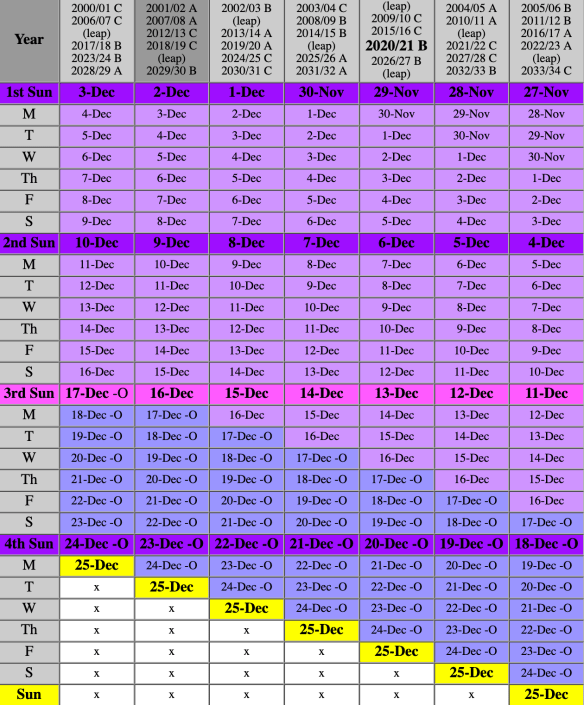

 friarmusings